Tesla Robotics Alumni Pivot to Specialized Industrial Automation
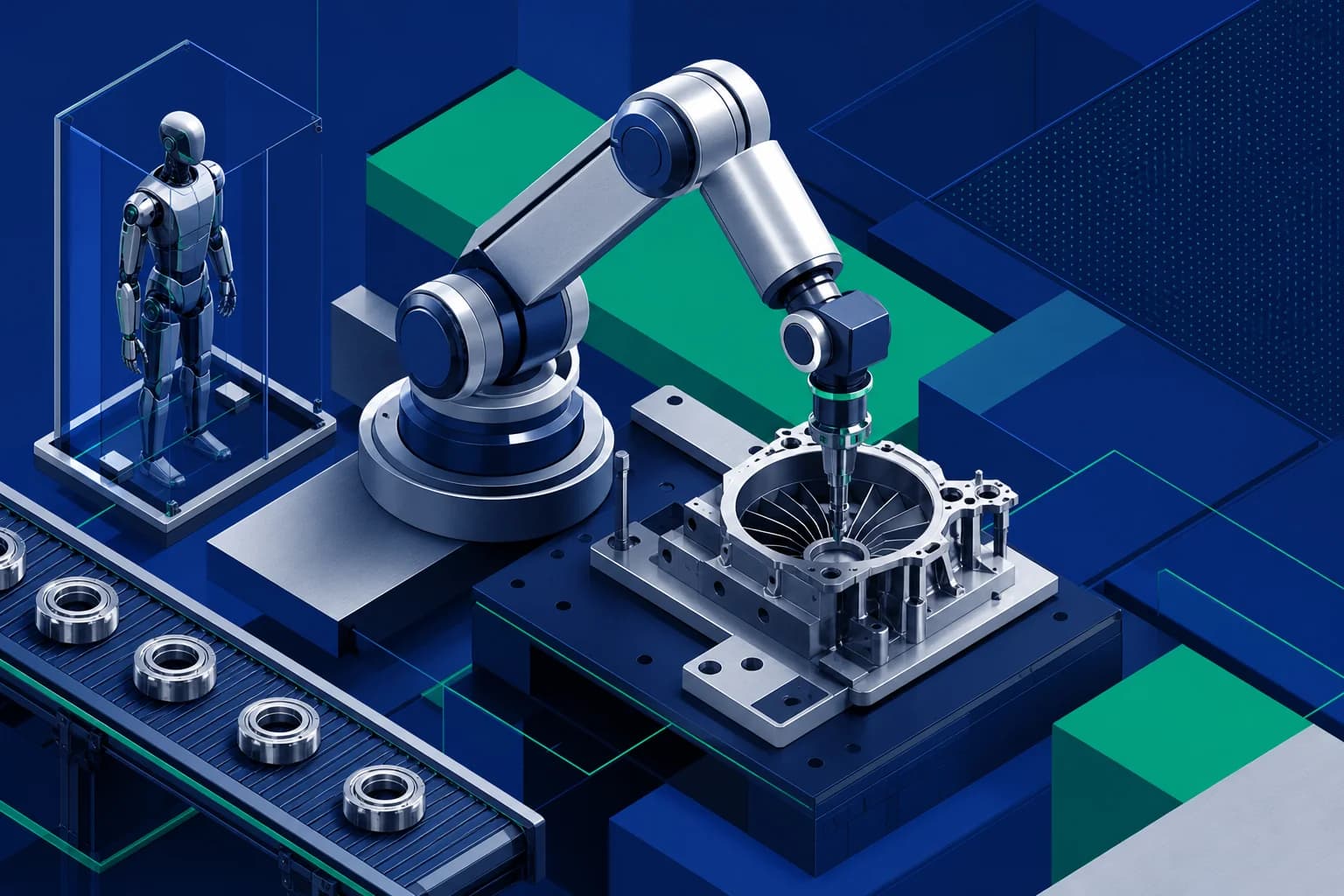
Former Tesla Optimus engineers are launching specialized robotics startups to address immediate industrial needs, moving away from general-purpose humanoid development.
Former Tesla Optimus engineers are launching specialized robotics startups to address immediate industrial needs, moving away from general-purpose humanoid development.

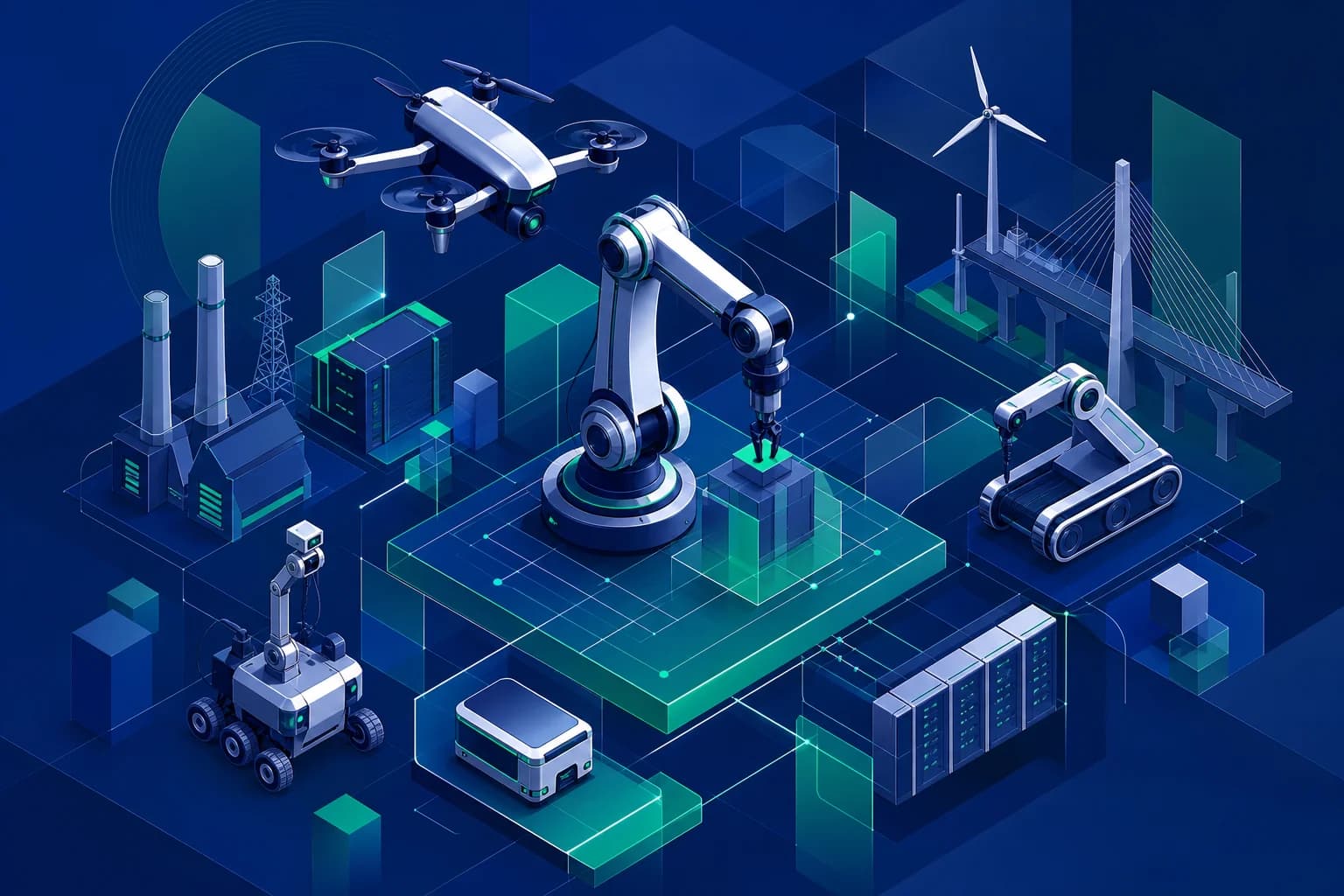
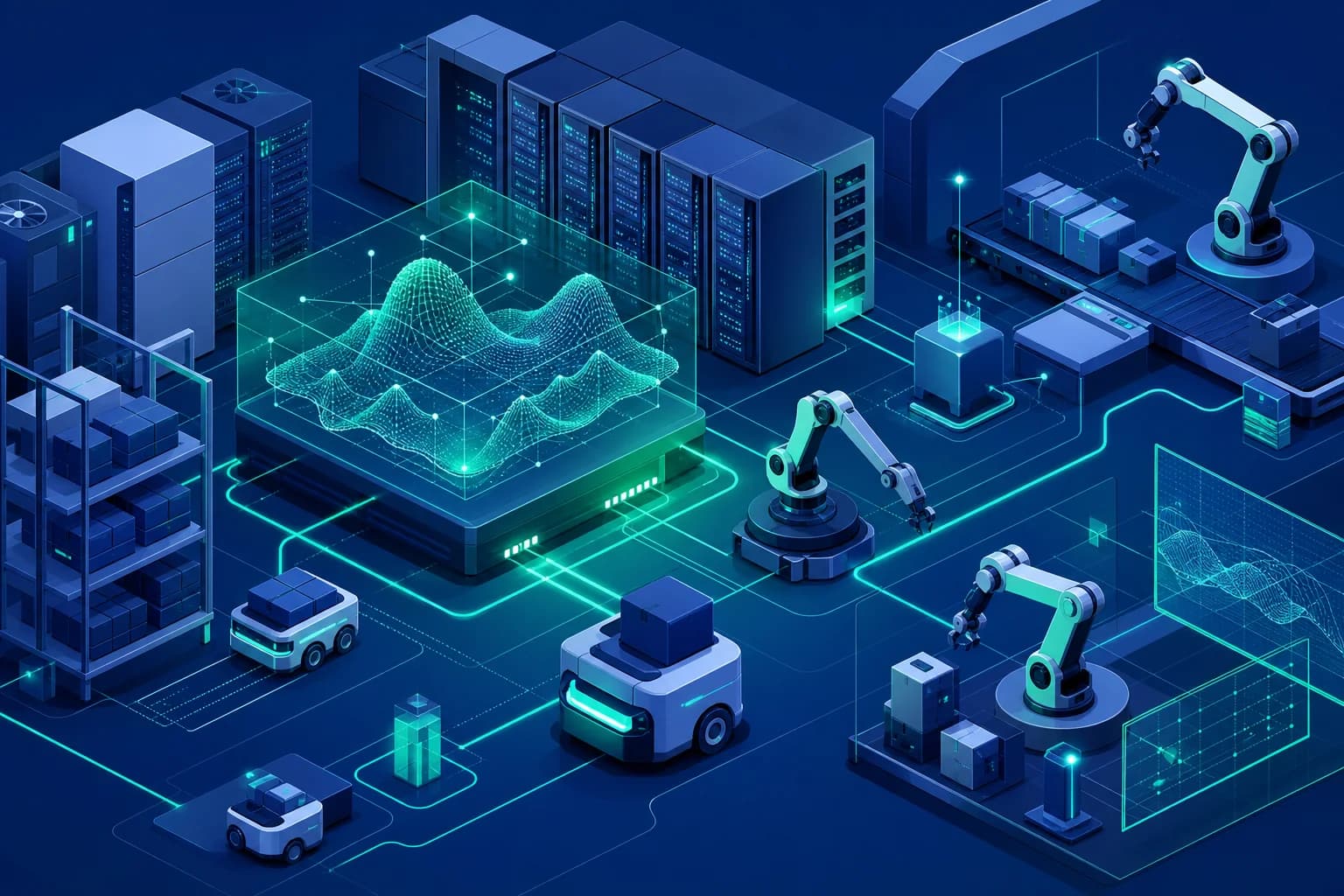
Enterprises are deploying AI-enabled robotic systems to automate complex maintenance and logistics tasks, moving beyond traditional preprogrammed industrial automation.

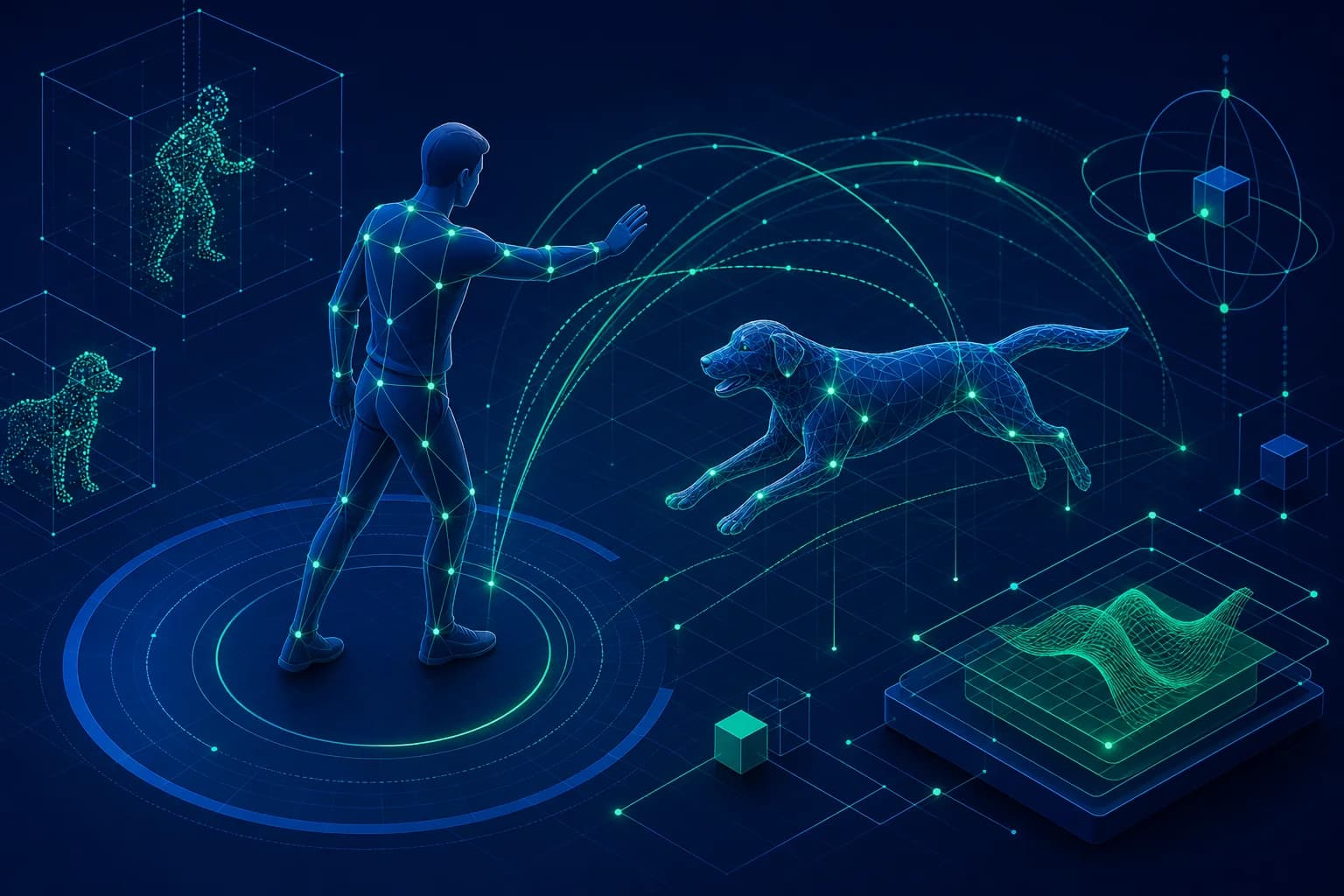
A new multimodal 4D dataset from the Institute of Science Tokyo enables AI to interpret and generate canine movements in response to human cues.

Researchers have developed a trajectory-optimization method that allows pretrained generative models to adhere to strict safety requirements without sacrificing output quality.

The engineer and researcher discusses the transition from laboratory robotics to real-world deployment and the necessity of collaborative ecosystems.

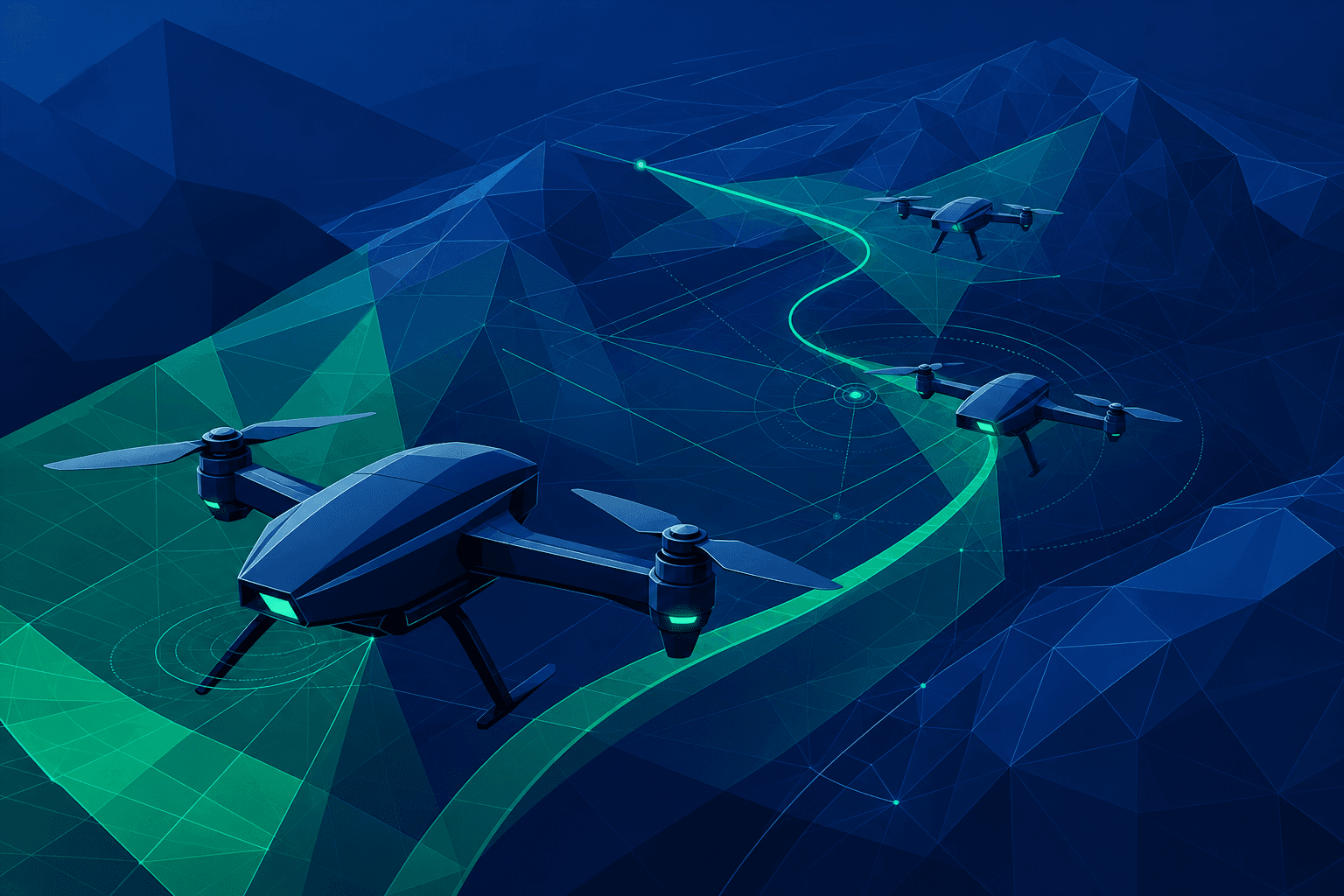
Engineers at Sandia National Laboratories are utilizing reinforcement learning to train autonomous drones for complex, cooperative maneuvers in dynamic environments.

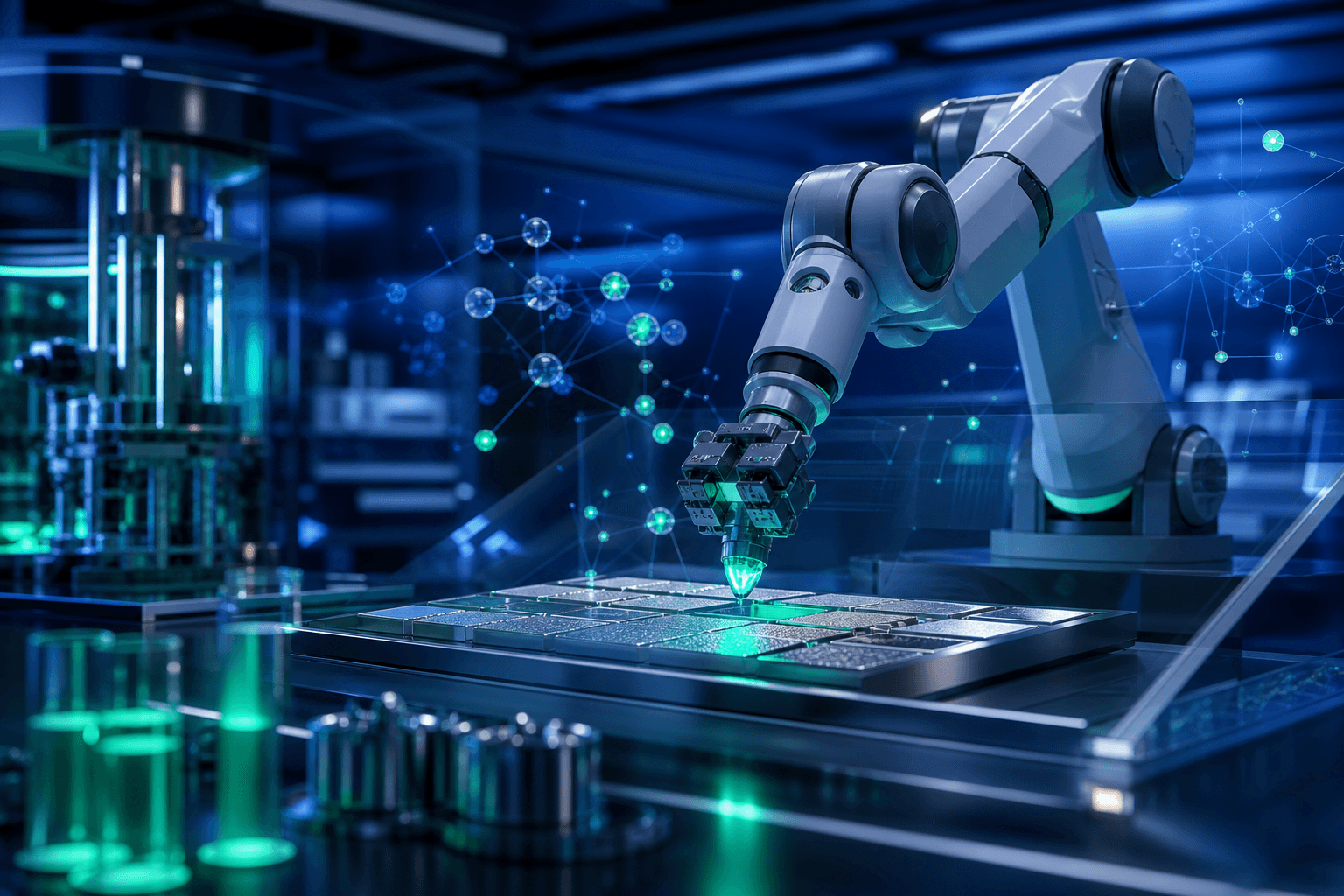
The Materials Innovation Cloud Lab integrates agentic AI and robotics to accelerate alloy discovery for aerospace and industrial applications.

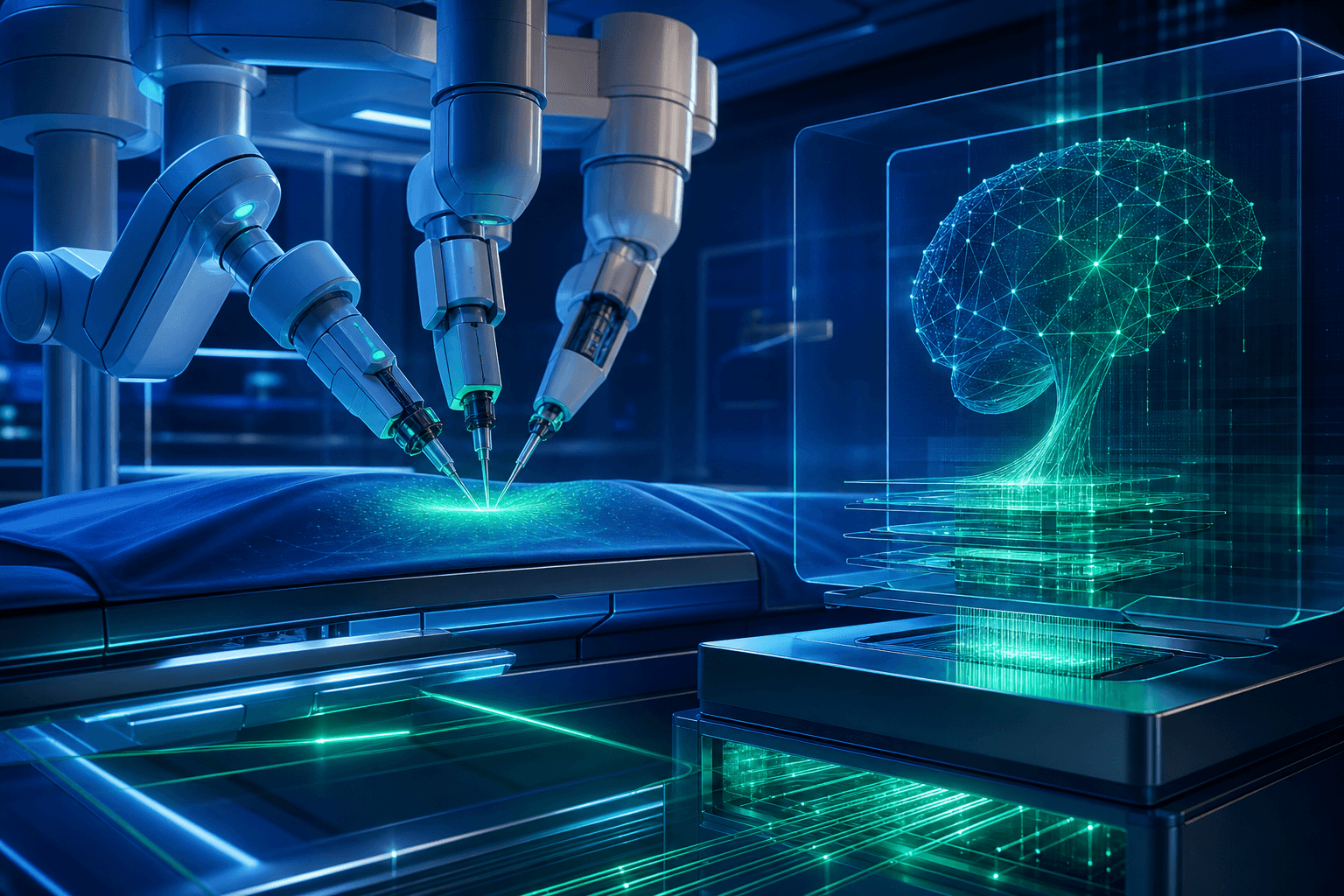
The new toolkit enables high-fidelity synthetic data generation for surgical robotics, addressing critical data gaps in clinical AI training.

The new Touch Surgery Aide platform integrates NVIDIA hardware to enable low-latency computer vision applications within the operating room.

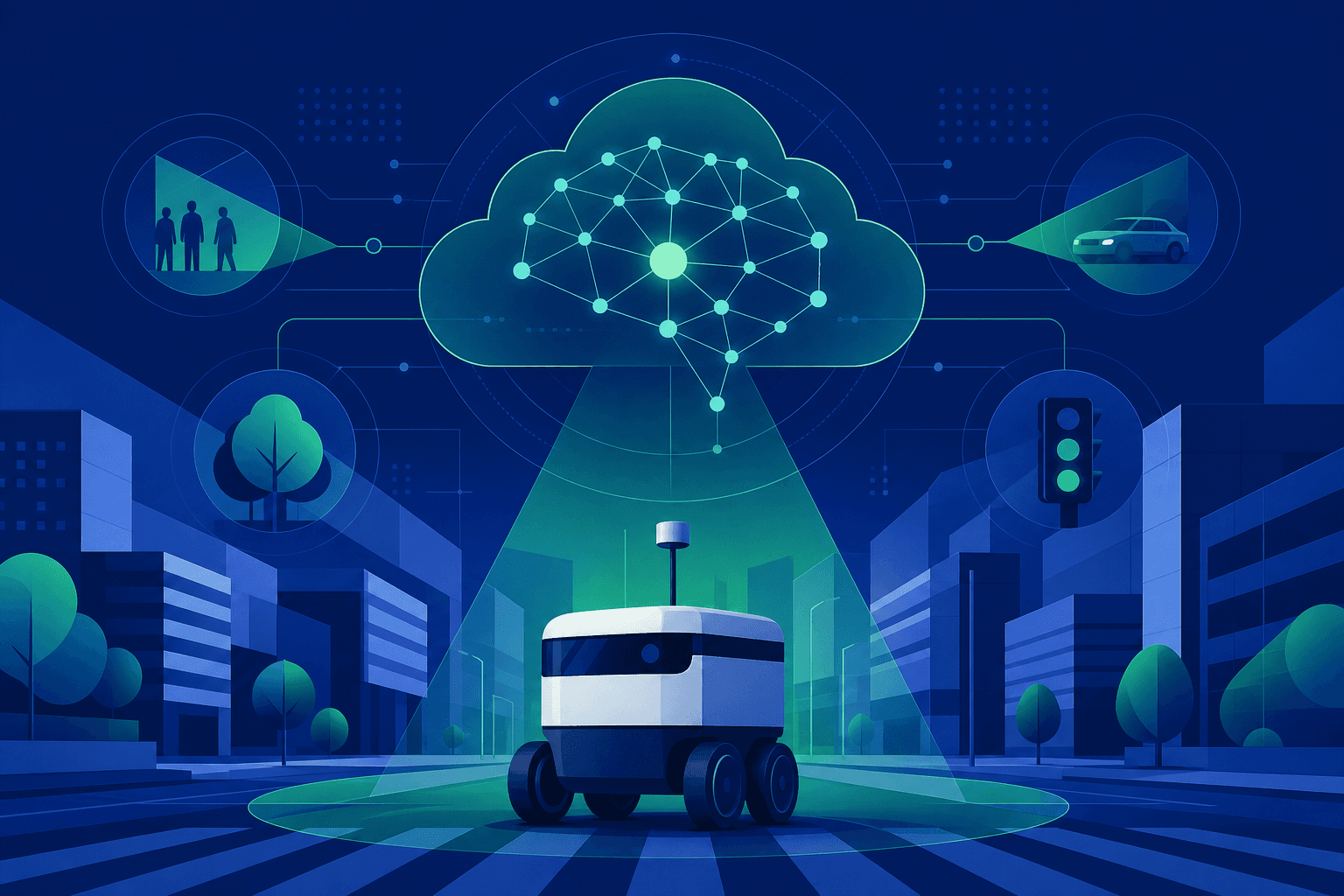
The company is integrating heavy foundation models as a semantic safety net to help delivery robots interpret complex, high-stakes urban environments.
Applied machine learning, filed daily.
Model releases, silicon, clinical deployment, and the policy shaping them. No digest padding.