
POLICY & POWER
Shadow AI Governance Market Projected to Reach $8.64 Billion by 2032
The market for AI risk and governance is expanding rapidly as enterprises shift toward operationalized security and automated audit trails for autonomous agents.
Export controls, litigation, and the state's expanding claim on artificial intelligence.
Where the technology meets law and government: chip-diversion indictments, patent and copyright suits against model developers, sovereign-AI procurement mandates, and the shipping and energy disputes that set the price of compute.
The market for AI risk and governance is expanding rapidly as enterprises shift toward operationalized security and automated audit trails for autonomous agents.

The University of Tennessee Research Foundation alleges that Anthropic’s AI systems infringe on patents related to neuroscience-inspired machine learning.

The newly formed World Artificial Intelligence Cooperation Organisation aims to provide a sovereign alternative to US-based large language models for developing nations.

The shift toward localized AI infrastructure is forcing a structural evolution in India’s IT sector, prioritizing specialized governance and deployment expertise over basic model development.

Streaming giant Deezer reports a stunning 44% of daily music uploads are AI-generated, yet these tracks achieve minimal listenership, with widespread bot fraud distorting stream counts.

As public data sources dry up, AI models are now being trained on the internal communications of defunct companies, raising significant ethical questions about employee privacy.
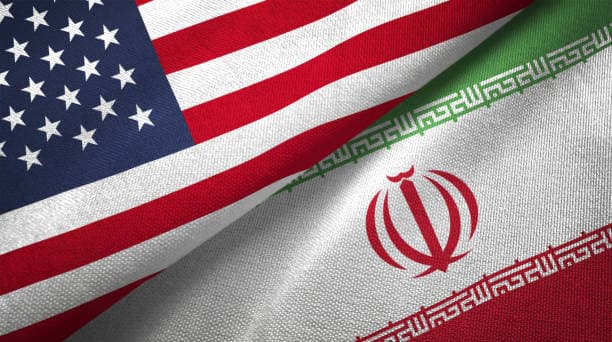
The looming threat of conflict in the Gulf risks widespread inflation and a severe economic downturn by impacting oil, gas, agriculture, and tech supply chains.
This indictment reveals a sophisticated scheme to bypass U.S. export bans, escalating federal efforts to prevent China from acquiring advanced AI capabilities. It also raises serious questions about Super Micro’s corporate oversight.
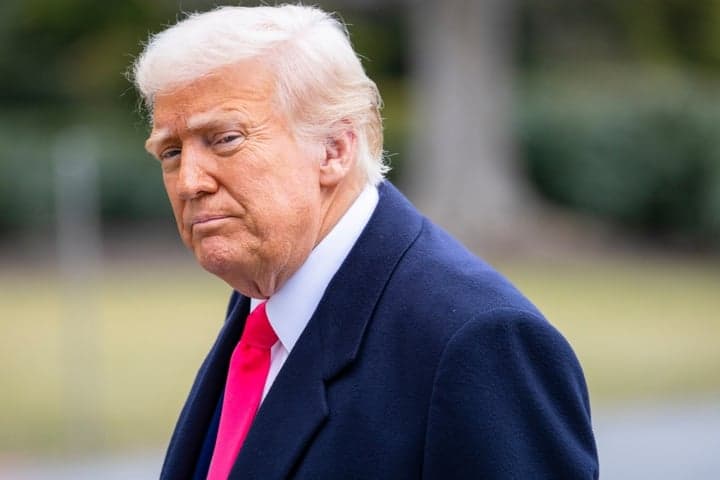
Wall Street is ignoring the escalating Middle East conflict, betting that the threat of mutual economic destruction will prevent a full-scale war. However, crude prices nearing 100 dollars a barrel signal growing dread over vulnerable energy lifelines.

The regulatory clearance of a surface-level neural implant transforms neurotechnology from an experimental prototype into a prescribable medical device. This milestone signals a strategic push by Beijing to outpace Western rivals like Neuralink and dominate the emerging neuro-economy.
Applied machine learning, filed daily.
Model releases, silicon, clinical deployment, and the policy shaping them. No digest padding.