Enterprises Pivot to Physical AI for Dynamic Infrastructure Maintenance
Enterprises are deploying AI-enabled robotic systems to automate complex maintenance and logistics tasks, moving beyond traditional preprogrammed industrial automation.
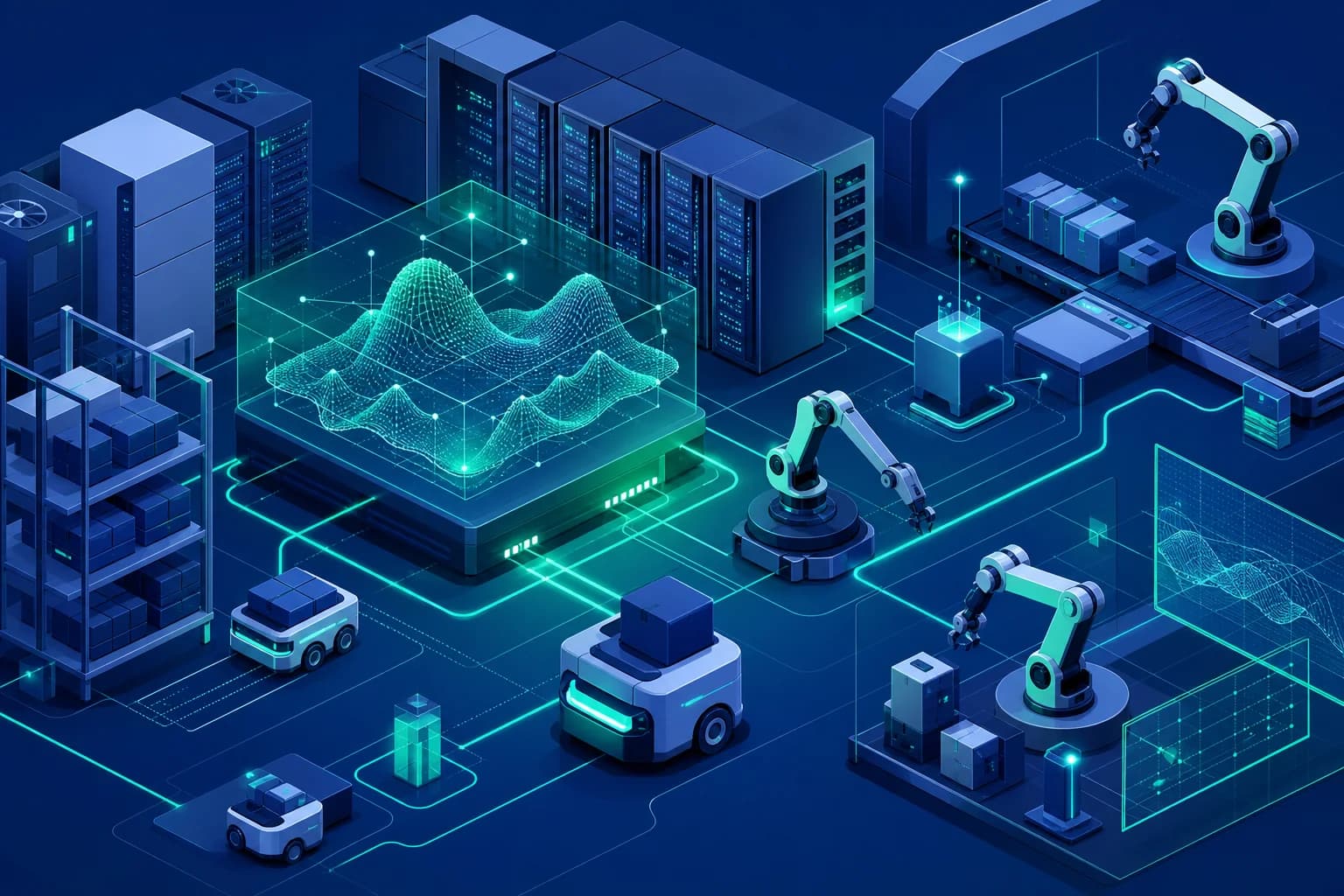
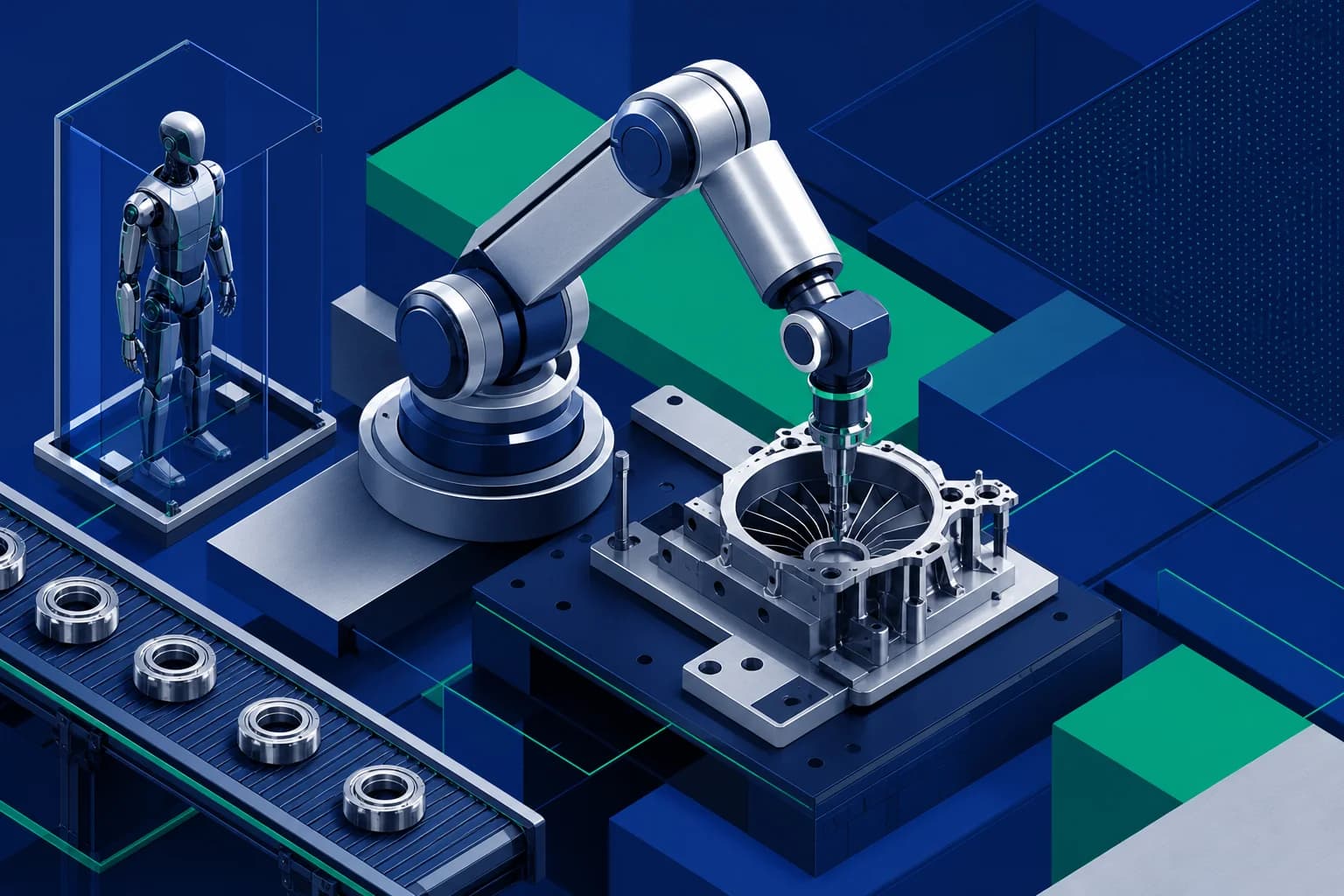
Enterprises are increasingly integrating physical AI into data centers, manufacturing plants, and logistics hubs to automate tasks that require environmental awareness rather than simple, repetitive motion. These systems represent a departure from traditional industrial robotics, which have historically relied on rigid, preprogrammed instructions within highly controlled, static environments.
Meta is currently testing dual-armed robotic systems at its Altoona, Iowa, and Prometheus data centers to perform maintenance tasks once reserved for human technicians. These robots are tasked with complex operations, such as swapping network cables, reseating hardware components, and potentially power-cycling servers, which require navigating dense, unpredictable cabling environments.
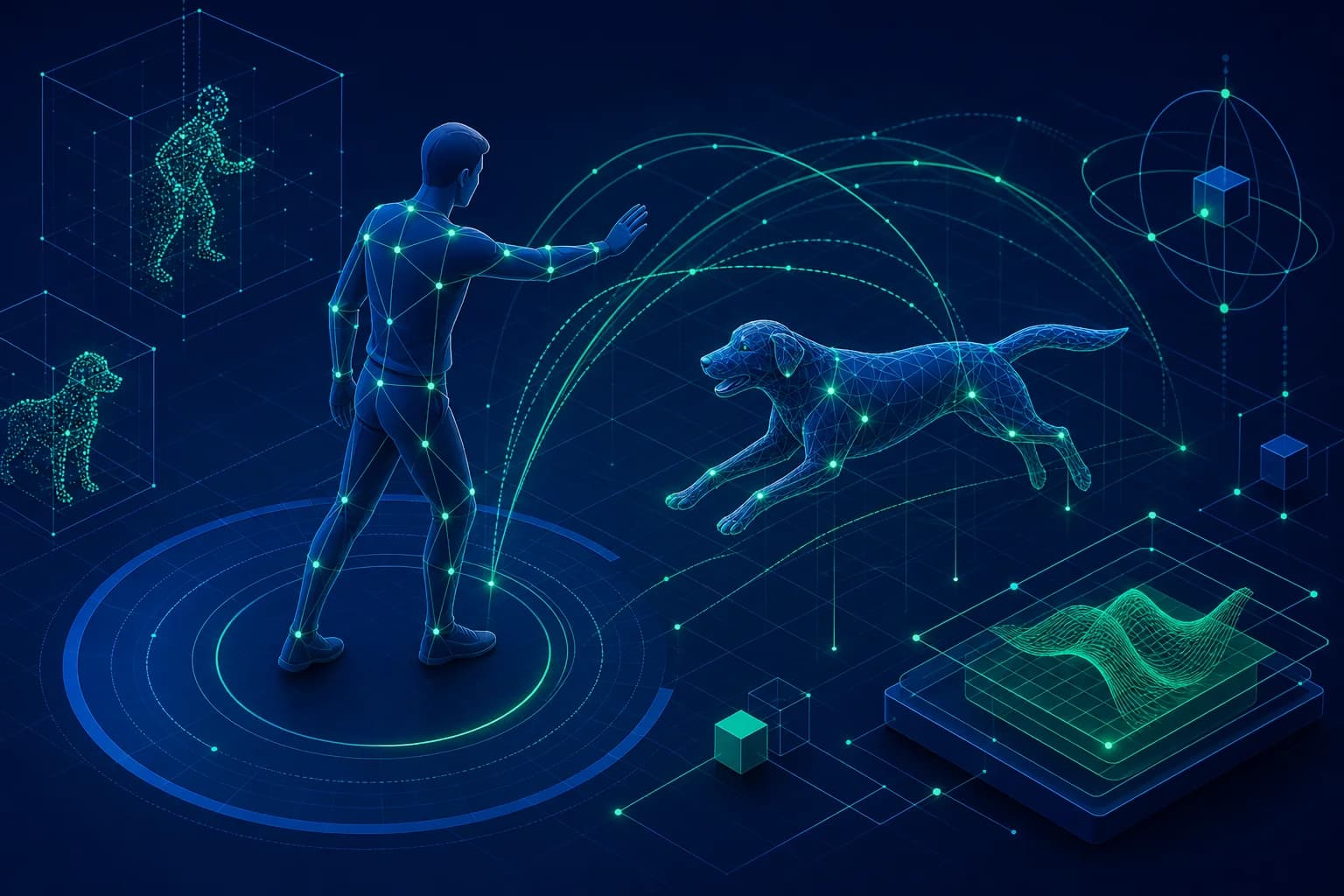
The technical architecture of these systems integrates computer vision with decision-making frameworks known as world models. These models allow robots to simulate physical environments and predict the outcomes of specific actions before executing them, providing a layer of adaptability that traditional automation lacks. By processing high-frequency sensor data, these systems calculate spatial constraints and potential collisions in real-time, effectively reducing the latency between perception and physical actuation.
Nissan has implemented autonomous mobile robots at its Smyrna, Tennessee, manufacturing facility to manage component transport, while logistics providers like DHL Supply Chain are utilizing AI-driven robots to guide human workers through warehouse picking workflows. These deployments prioritize functional utility, focusing on tasks that are physically demanding or difficult to scale using manual labor alone.
ABB Robotics is addressing these deployment challenges through the use of simulation platforms like its RobotStudio HyperReality system. By creating digital twins of operating environments, engineers can train AI models against variations in lighting, material texture, and spatial orientation before physical implementation. This simulation-first approach allows for the refinement of sensor fusion algorithms, ensuring that robots can maintain performance even when environmental conditions shift unexpectedly.
Simulation serves as a critical bridge for physical AI, allowing developers to validate decision-making logic in virtual space before committing to hardware execution. This methodology reduces the time required for deployment, as evidenced by one manufacturing project that moved from simulation to production in just 36 hours. The ability to iterate on these models in a virtual sandbox significantly mitigates the risks associated with deploying autonomous agents into active, high-stakes production environments.
Bill Ray, an analyst at Gartner, identifies this shift as a transition from explicit instruction to goal-oriented programming. Instead of coding specific movement paths, engineers define the desired outcome, allowing the robot to determine the necessary sequence of actions based on real-time sensor data.
Despite these advancements, the reliability of current physical AI systems remains a constraint for widespread adoption. While demonstrations show promise, the ability of these machines to handle the full spectrum of real-world variability is still in its nascent stages, necessitating human oversight for high-value equipment.
Anthony Jules, co-founder and chief innovation officer at Robust.AI, notes that the industry trend favors polyfunctional, wheel-based robots over humanoid designs for most enterprise applications. He argues that the energy efficiency and stability of wheeled platforms make them better suited for the structured, yet complex, layouts of modern warehouses and factories.
The integration of physical AI into existing enterprise workflows requires more than just hardware deployment. Systems must interface with established IT infrastructure, including enterprise resource planning and warehouse management software, to ensure uninterrupted operational continuity.
Success in this field depends on the ability to embed robots into human-centric workflows without requiring a complete overhaul of existing processes. As companies continue to refine these models, the focus will likely remain on incremental improvements in perception and decision-making rather than the pursuit of general-purpose humanoid autonomy.
Future deployments will likely hinge on the maturity of world models and the ability of simulation environments to accurately mirror real-world edge cases. Watch for further developments in how these robots handle high-variability tasks as enterprises move from pilot programs to full-scale production environments.