Varun Raghavendra on Scaling India’s Physical AI Infrastructure
The engineer and researcher discusses the transition from laboratory robotics to real-world deployment and the necessity of collaborative ecosystems.
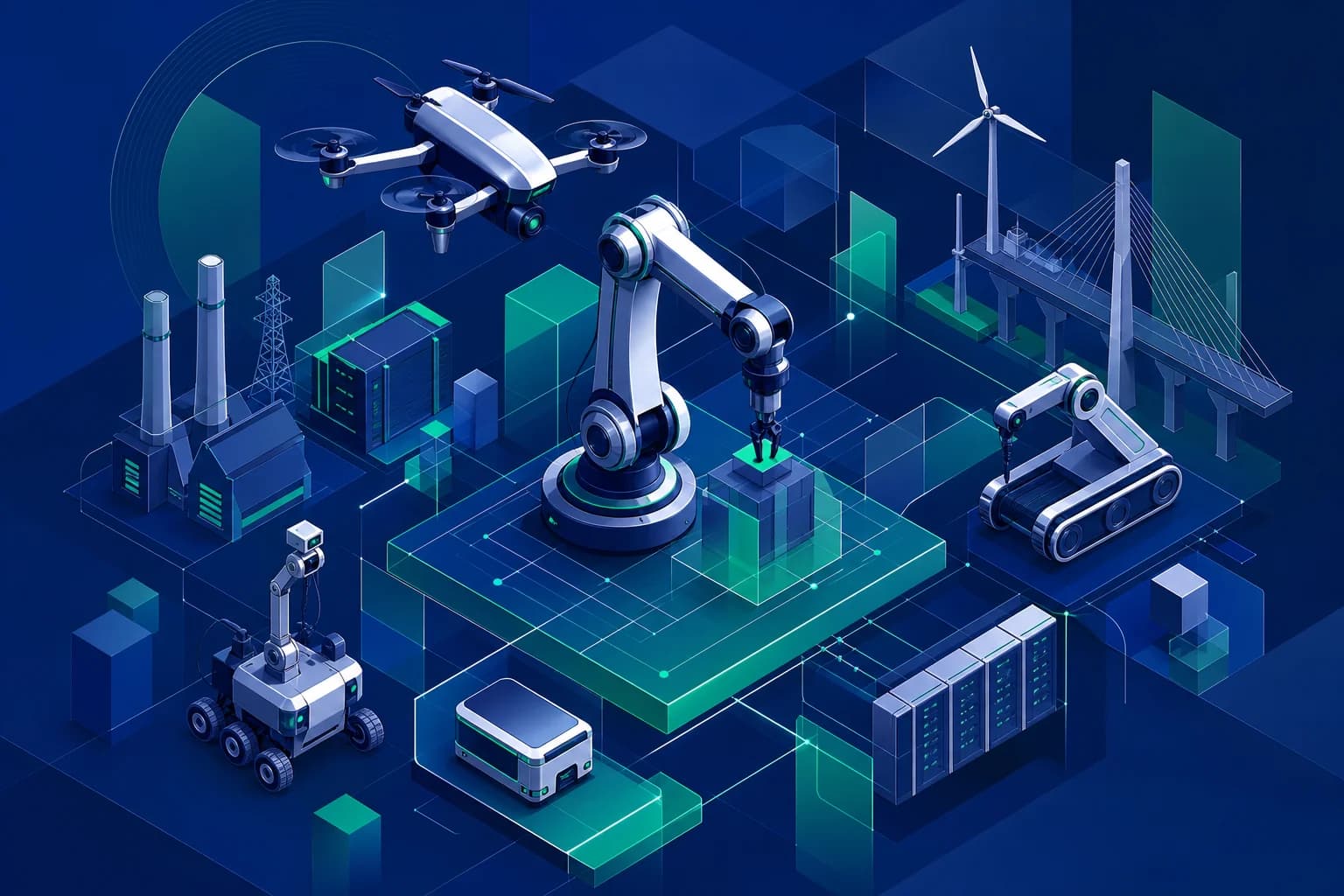
Varun Raghavendra, a Bengaluru-based engineer, is currently working to bridge the gap between theoretical robotics research and the practical deployment of autonomous systems in India. His career trajectory, which includes academic tenures at the AI and Robotics Laboratory at IISc Bengaluru and Northeastern University, has shifted toward establishing the foundational infrastructure required for a scalable Physical AI ecosystem.
Raghavendra’s technical background is rooted in electronics and communication engineering, with a specialized focus on connected swarm robotics and unmanned aerial systems. While serving as a research associate at the Institute for Intelligent Networked Systems in Boston, he gained experience in the complexities of multi-agent coordination. This academic foundation informed his subsequent transition into the startup sector, where he sought to address the limitations of existing hardware.
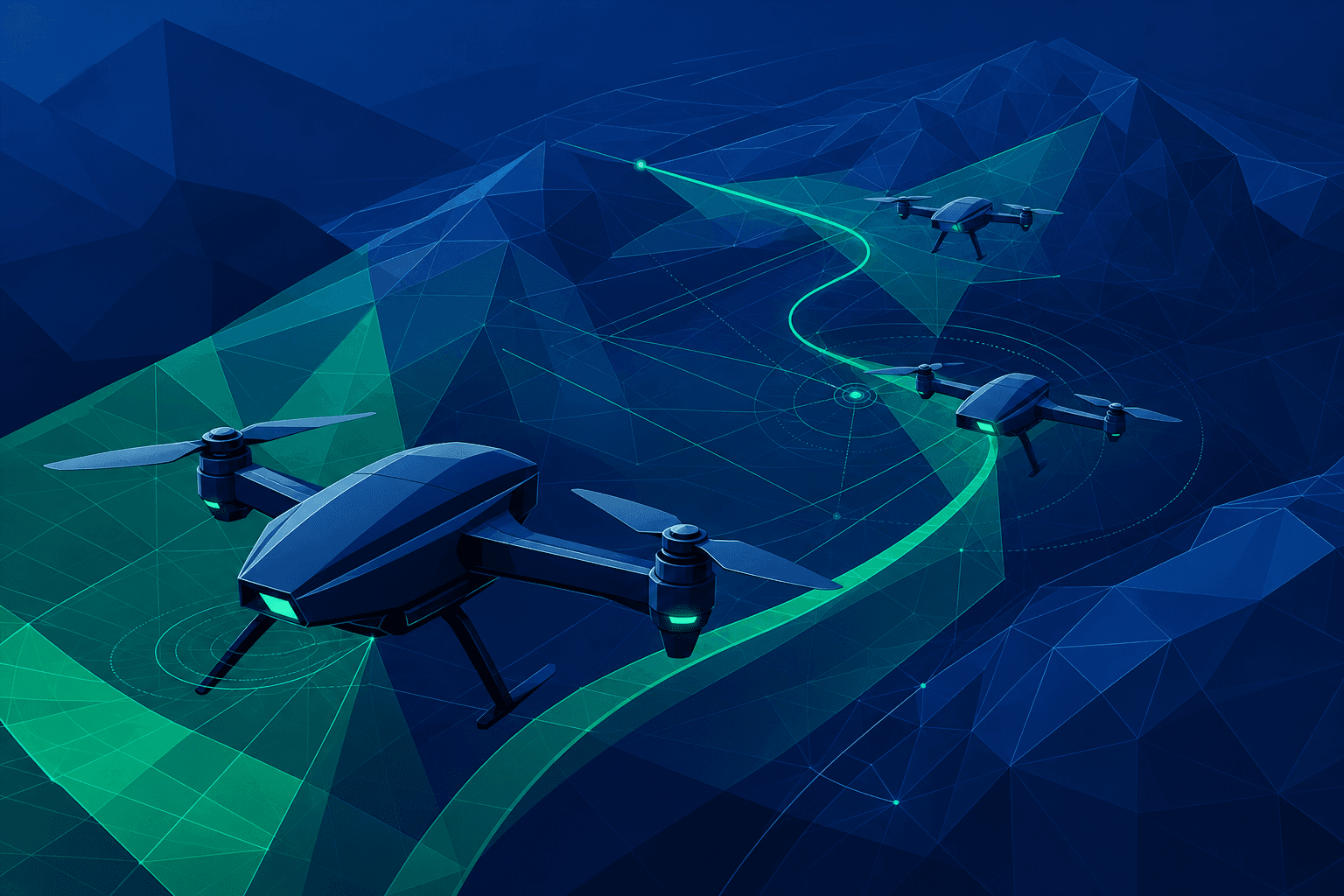
In 2022, Raghavendra founded Vaydyn, a deep-tech venture incubated at ARTPARK, IISc, to develop Omnipilot. This low-power autopilot system for UAVs secured a USD 1.5 million grant, highlighting the market demand for energy-efficient, high-performance flight controllers. The project served as a practical application of his research into GNSS-denied navigation and autonomous mobile robots.
During the development of Omnipilot, Raghavendra encountered significant technical hurdles regarding sensor fusion in environments where satellite signals are unreliable. He had to implement algorithms that could maintain precise localization by integrating inertial measurement units with visual odometry data. These engineering decisions were critical for ensuring that the UAVs could maintain stability and path-following accuracy in complex, signal-obstructed urban landscapes.
His transition to Ati Motors in 2024 as the company’s first Entrepreneur-in-Residence marked a strategic move to integrate research-driven insights into a commercial environment. Ati Motors operates within the Physical AI sector, focusing on the development of autonomous machines that require high levels of reliability. This role allowed Raghavendra to apply his expertise in digital twins and sensor fusion to industrial-scale challenges.
Beyond his engineering roles, Raghavendra has prioritized the development of collaborative networks to support India’s growing robotics sector. He established the Robotics India Community to facilitate knowledge sharing among practitioners and researchers. This effort is complemented by his leadership at Bharat1.ai, where he is working alongside NVIDIA to develop a large-scale Physical-Digital AI City project.
The shift toward community building reflects a broader realization that isolated breakthroughs are insufficient for scaling complex autonomous systems. Raghavendra argues that the creation of talent pipelines and open-research environments is essential for long-term progress. His work at Bharat1.ai aims to provide the necessary compute and collaborative resources to move beyond theoretical benchmarks.
Raghavendra emphasizes that the primary obstacle in Physical AI is the transition from controlled laboratory settings to the unpredictable nature of the physical world. He notes that building systems for continuous, long-term operation requires a departure from the comfort of theoretical assumptions. This engineering philosophy prioritizes uncompromising reliability, which he identifies as the primary technical constraint for the next generation of roboticists.
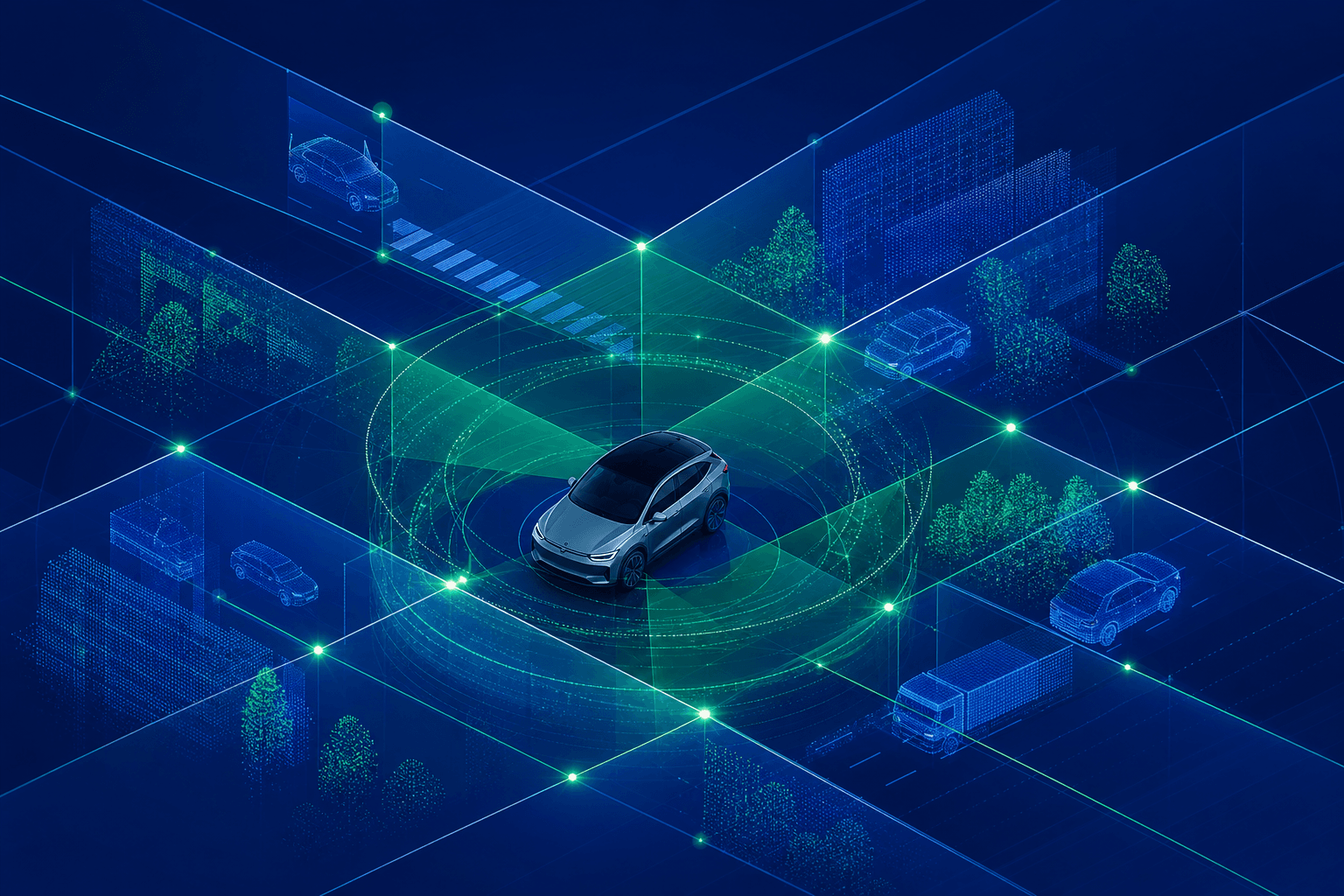
The significance of Physical AI lies in its potential to create embodied agents capable of understanding context rather than relying on rigid, command-based inputs. Raghavendra suggests that the integration of intelligence directly onto hardware devices provides a dual benefit of improved safety and enhanced data privacy. By processing information locally, these systems mitigate the risks associated with cloud-dependent architectures.
The future of the sector depends on the ability to harmonize autonomy with human-centric design. Raghavendra believes that as these systems become more integrated into daily tasks, their capacity to reduce friction and human error will be the primary metric of their success. The focus remains on creating agents that operate with a high degree of situational awareness.
The development of a Physical-Digital AI City serves as a critical milestone for testing these theories at scale. Future efforts will likely focus on refining the interoperability between these autonomous agents and existing infrastructure. The industry will be watching how these collaborative environments influence the speed of innovation in the coming years.