
HEALTH & BIO AI
Scalable Fabrication Platform Enables Flexible and Transparent Photonic Chips
MIT researchers have developed a new fabrication process that allows for the mass production of flexible, transparent silicon-photonics chips.
Clinical deployment, diagnostic imaging, and the neural interfaces reaching approval.
Machine learning inside clinical practice rather than adjacent to it: cancer detection ahead of symptoms, surgical documentation generated from video, oncology uncertainty estimates, and brain-computer interfaces now cleared for commercial use.
MIT researchers have developed a new fabrication process that allows for the mass production of flexible, transparent silicon-photonics chips.

The new laboratory combines high-performance computing with bioinformatics to accelerate cancer research and molecular modeling.
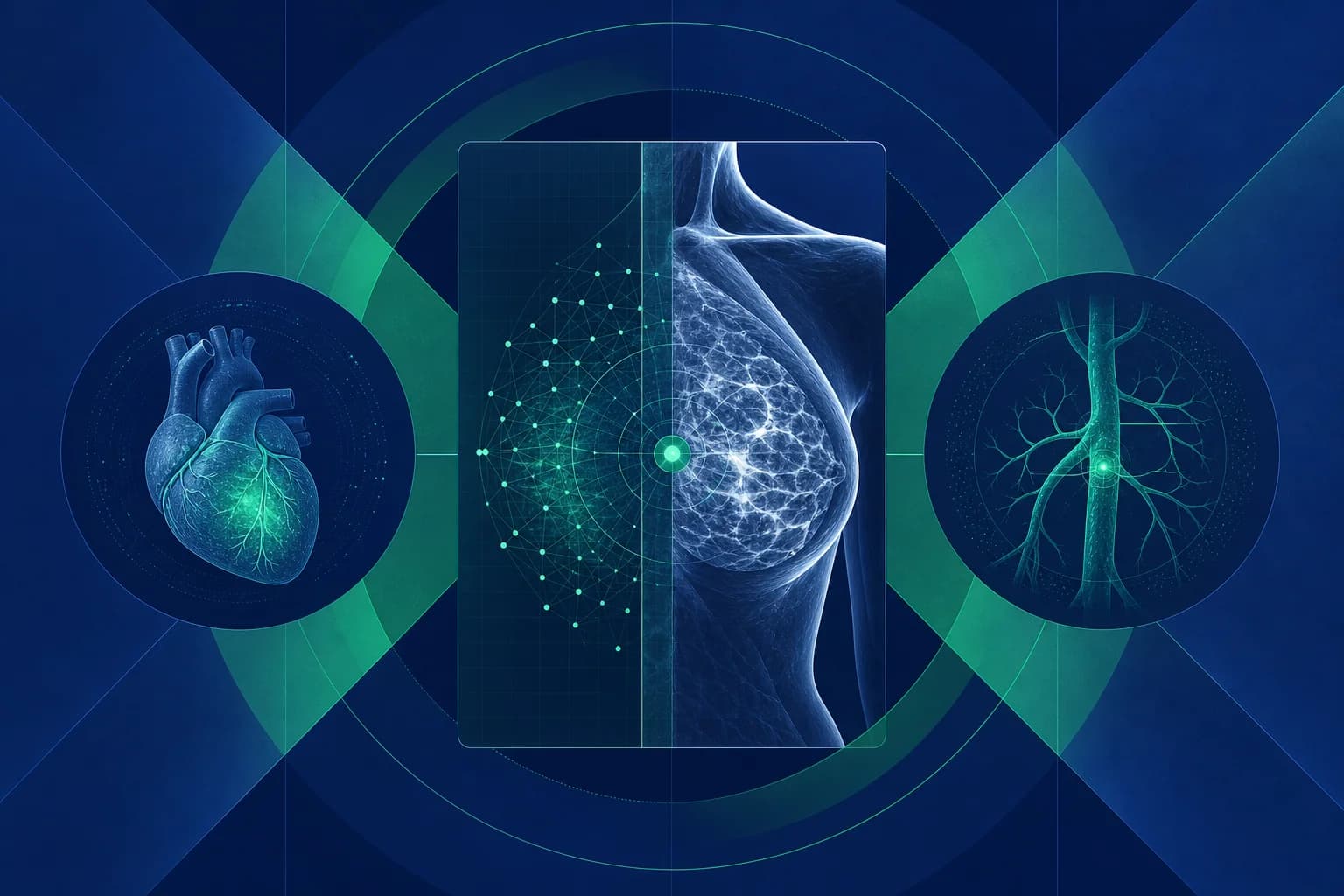
Researchers are leveraging neural networks to detect systemic heart conditions within routine breast imaging data.

The new toolkit enables high-fidelity synthetic data generation for surgical robotics, addressing critical data gaps in clinical AI training.

New research from the University of Tübingen demonstrates that hippocampal memory circuits rely on natural shifts in alertness to gate neural plasticity.
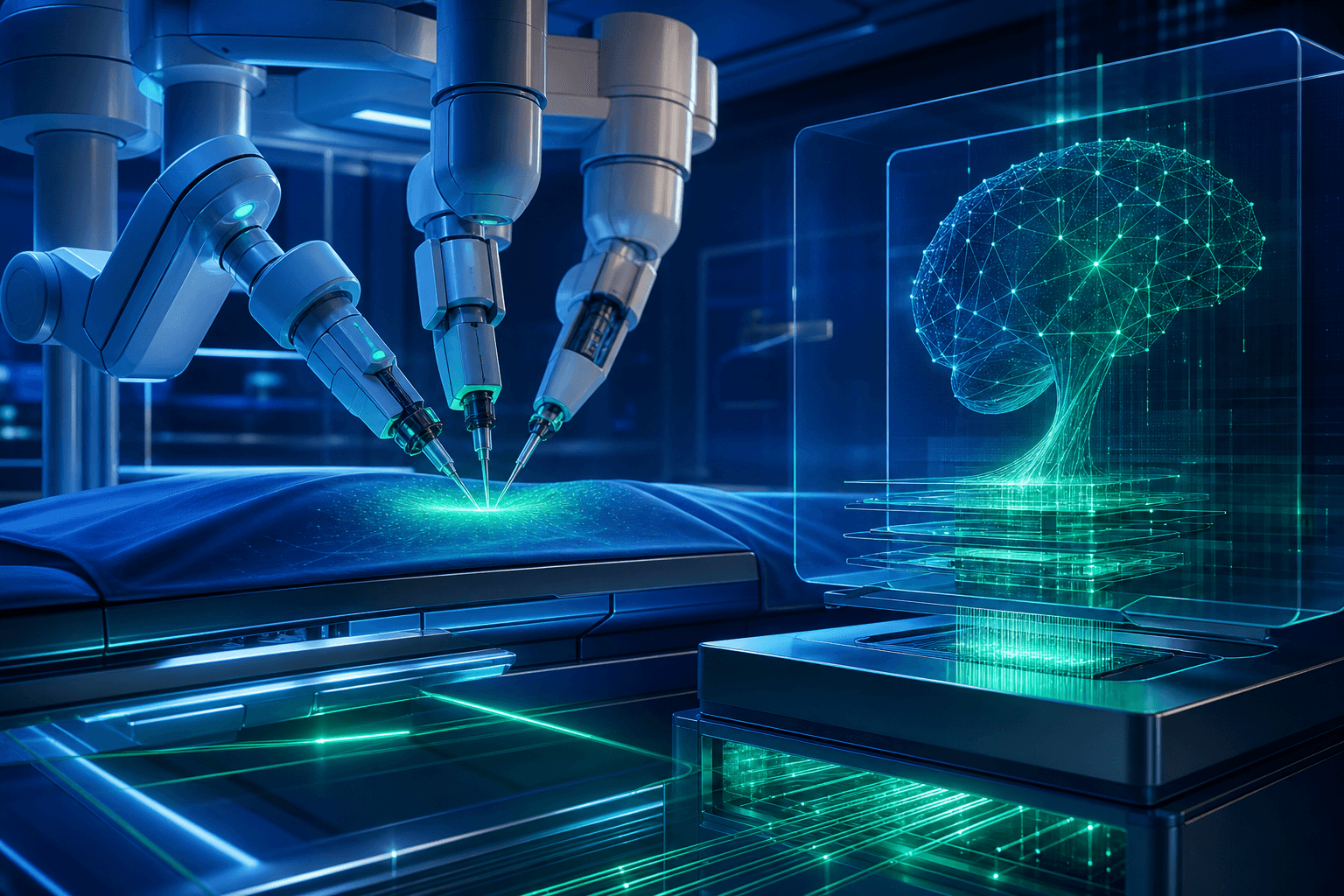
The new Touch Surgery Aide platform integrates NVIDIA hardware to enable low-latency computer vision applications within the operating room.
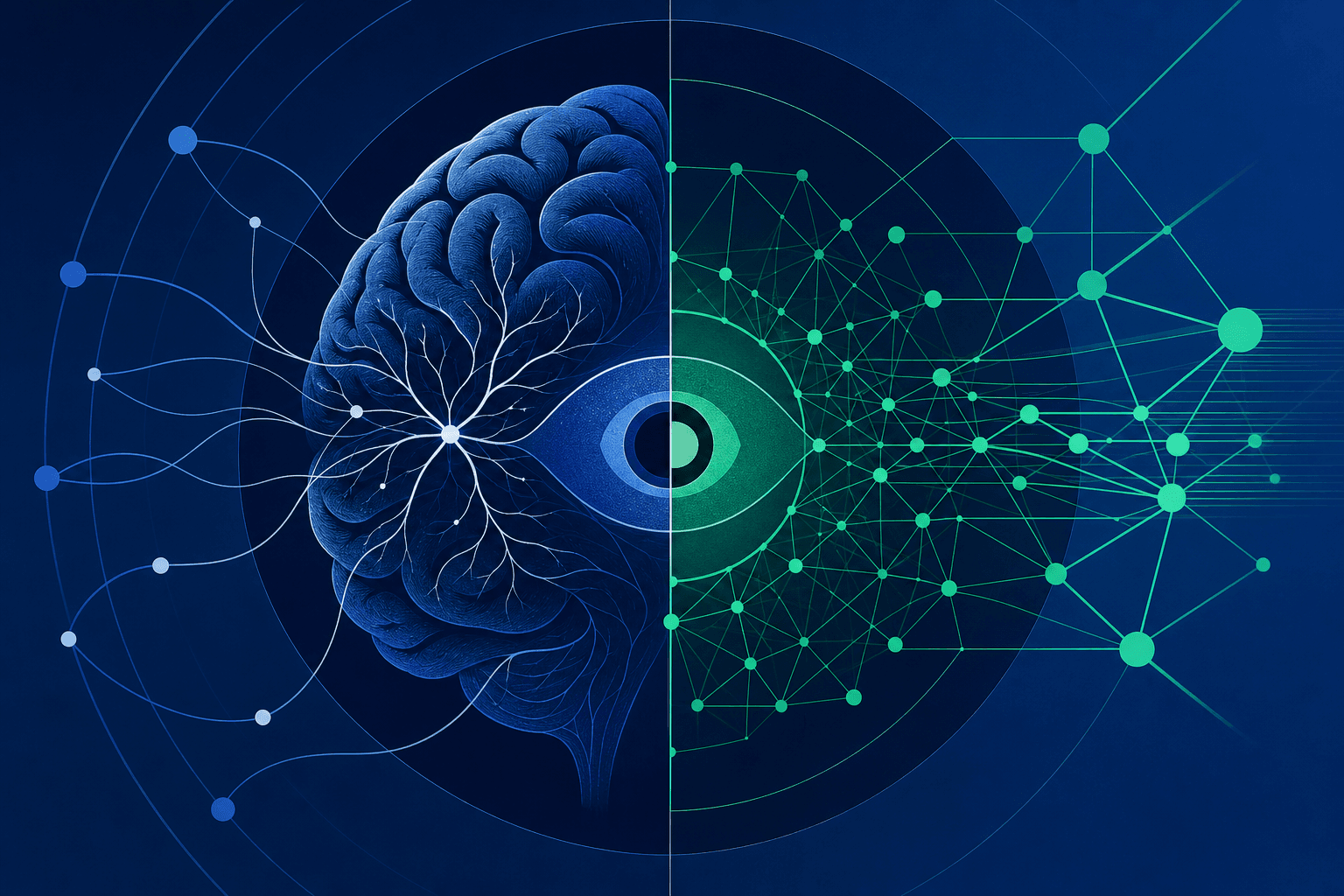
New research suggests that artificial neural networks often rely on internal strategies that differ significantly from the primate brain, challenging the assumption of biological equivalence.

University of Michigan researchers demonstrate that domain-specific visual foundation models trained on internal clinical archives significantly outperform frontier models in medical imaging.
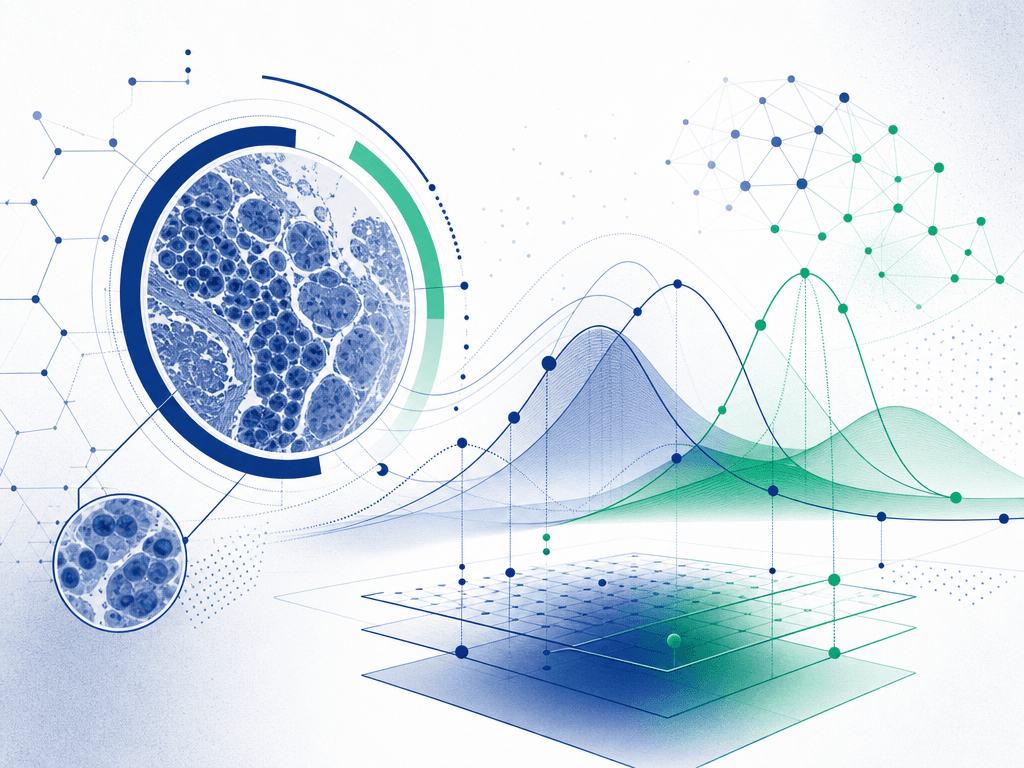
Researchers have developed a new diagnostic framework that enables neural networks to quantify uncertainty, reducing the risk of overconfident errors in cancer subtyping.
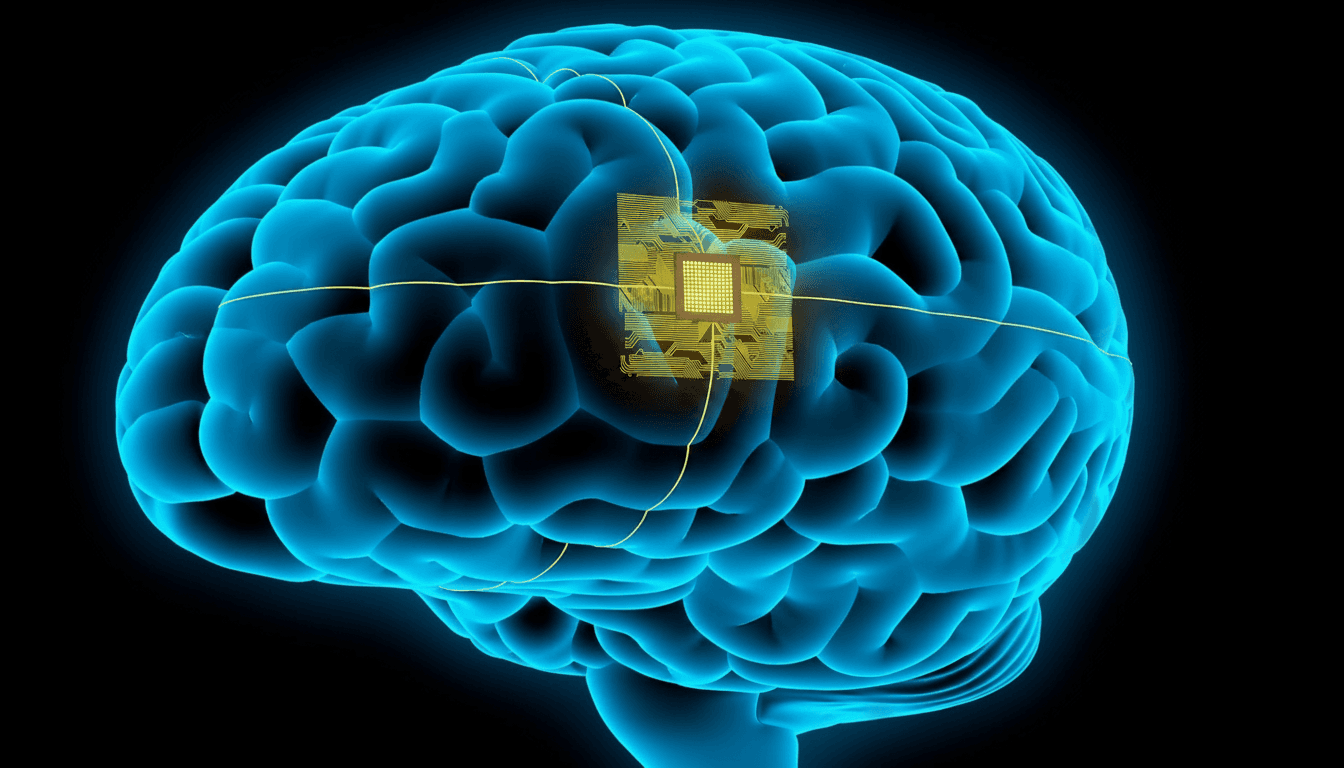
Researchers have developed a high-density, ultra-flexible electrode array that maintains signal integrity for over 550 days by minimizing mechanical friction with neural tissue.
Applied machine learning, filed daily.
Model releases, silicon, clinical deployment, and the policy shaping them. No digest padding.