ROBOTICS & AUTONOMY
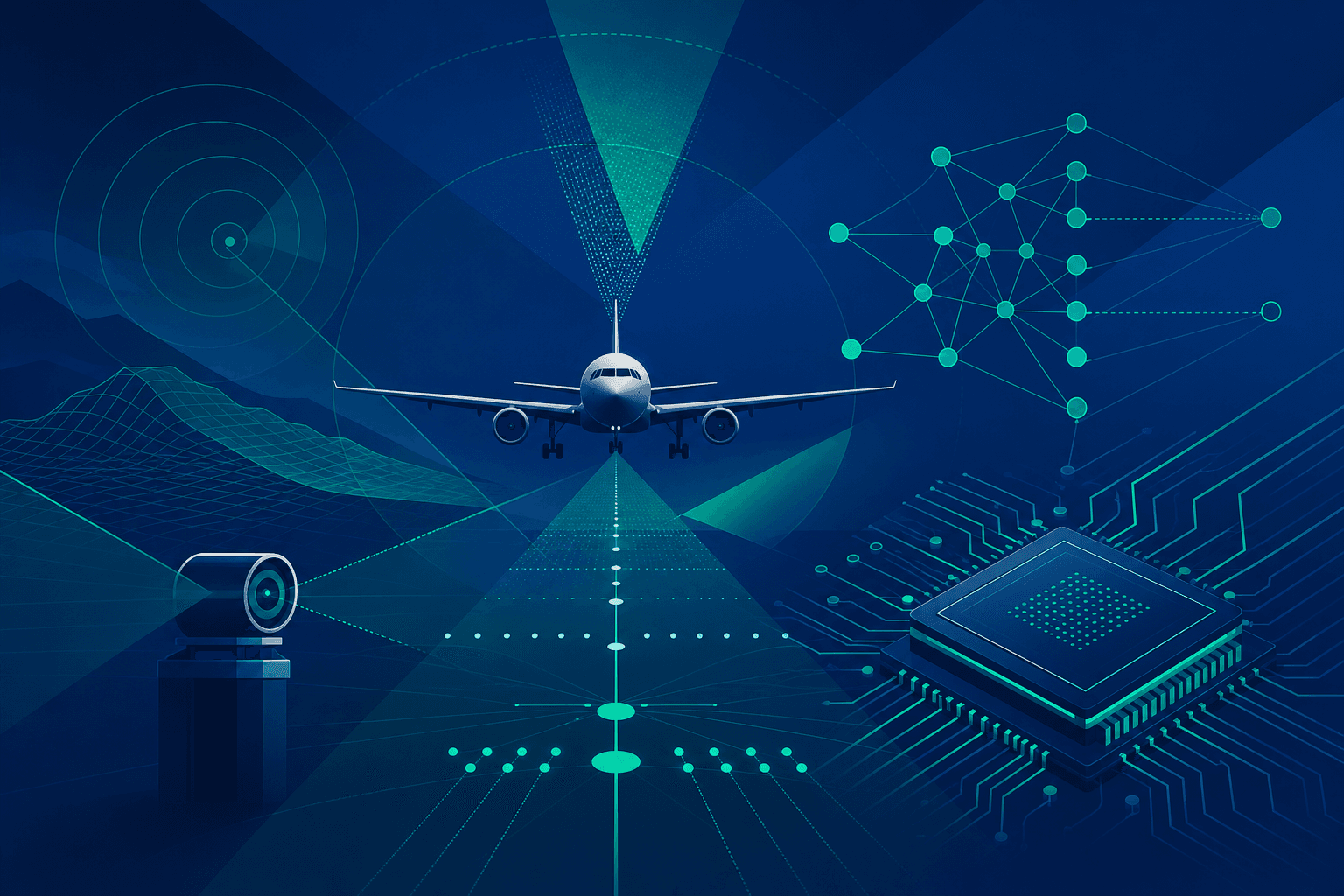
Airbus UpNext evaluates edge-AI architectures for autonomous aircraft landing
The aerospace division is integrating computer vision with multi-modal sensor fusion to enable real-time environmental perception on board.
The aerospace division is integrating computer vision with multi-modal sensor fusion to enable real-time environmental perception on board.

The new toolkit enables high-fidelity synthetic data generation for surgical robotics, addressing critical data gaps in clinical AI training.
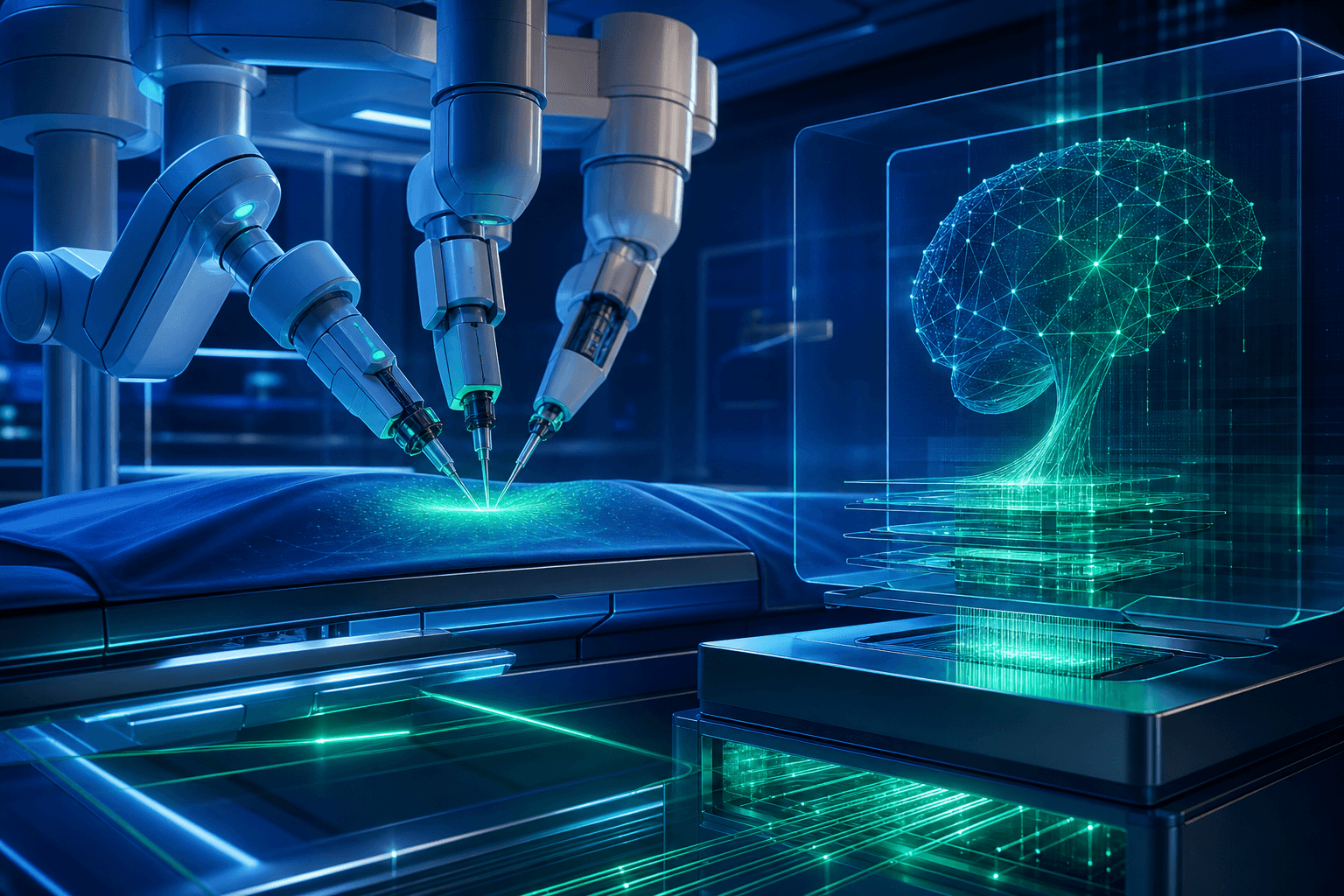
The new Touch Surgery Aide platform integrates NVIDIA hardware to enable low-latency computer vision applications within the operating room.
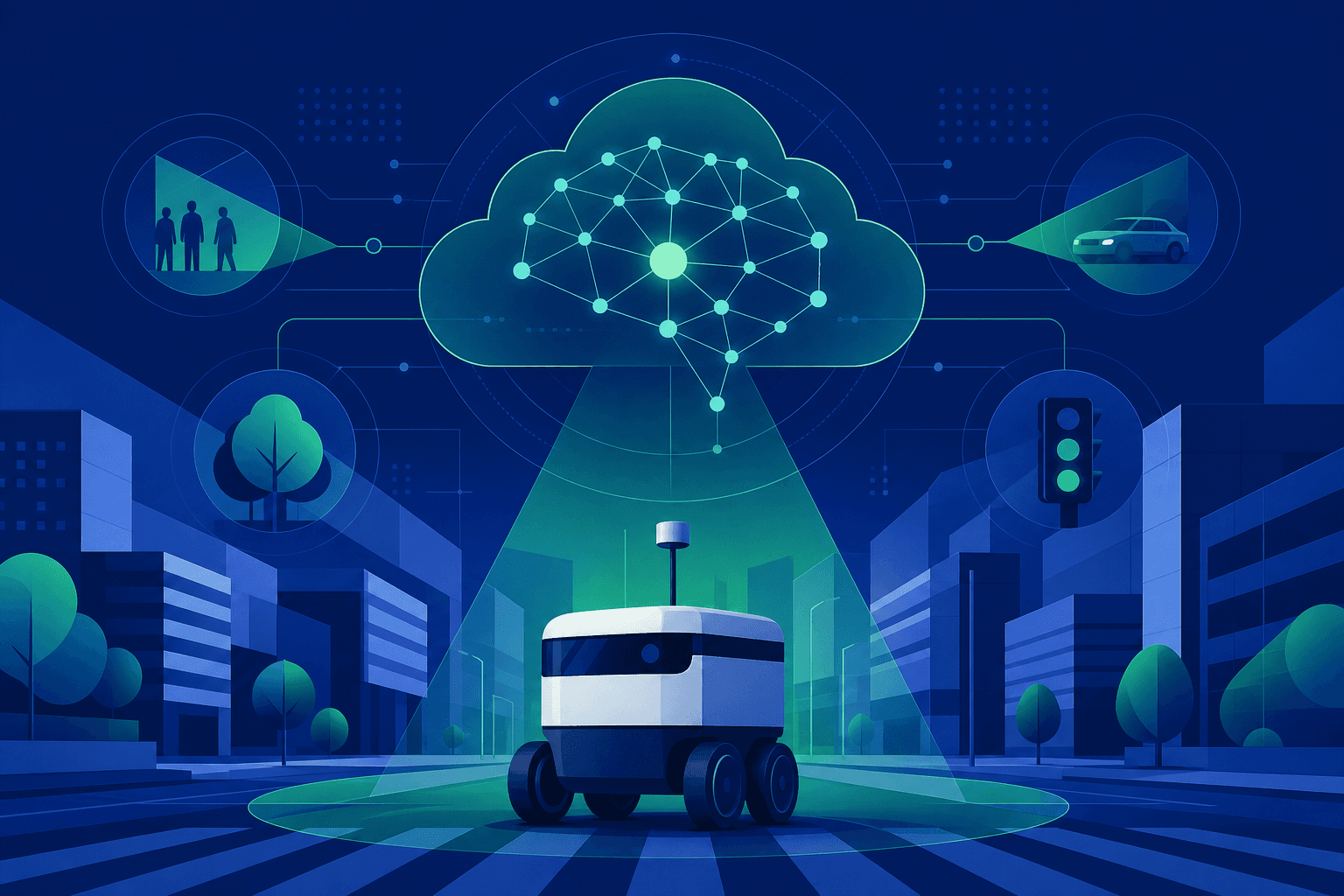
The company is integrating heavy foundation models as a semantic safety net to help delivery robots interpret complex, high-stakes urban environments.
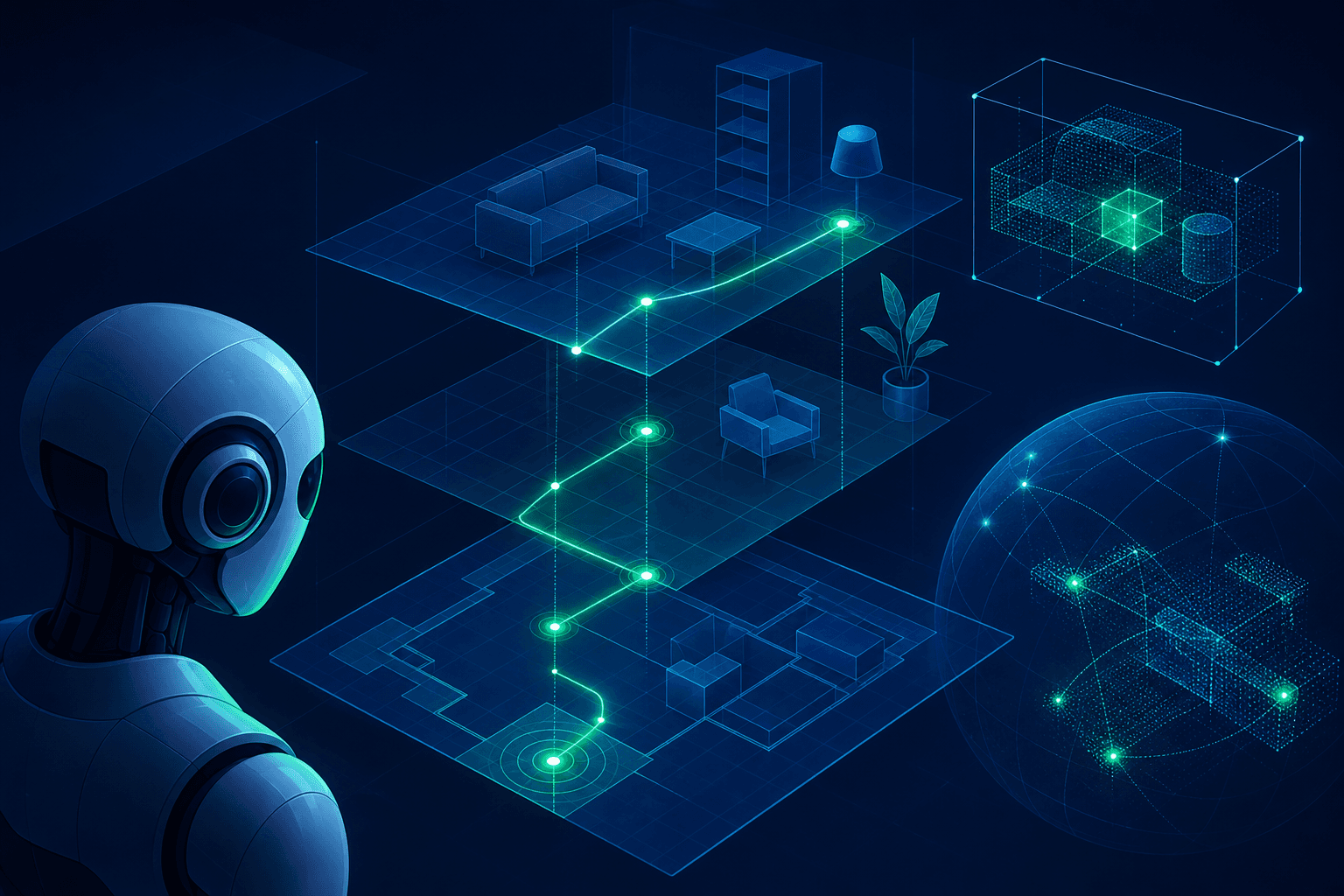
A new architectural framework enables mobile robots to store and retrieve semantic information about their environment using natural language queries.

The new RLTune platform integrates directly into existing utility control stacks to provide real-time, adaptive process optimization without requiring digital twins.
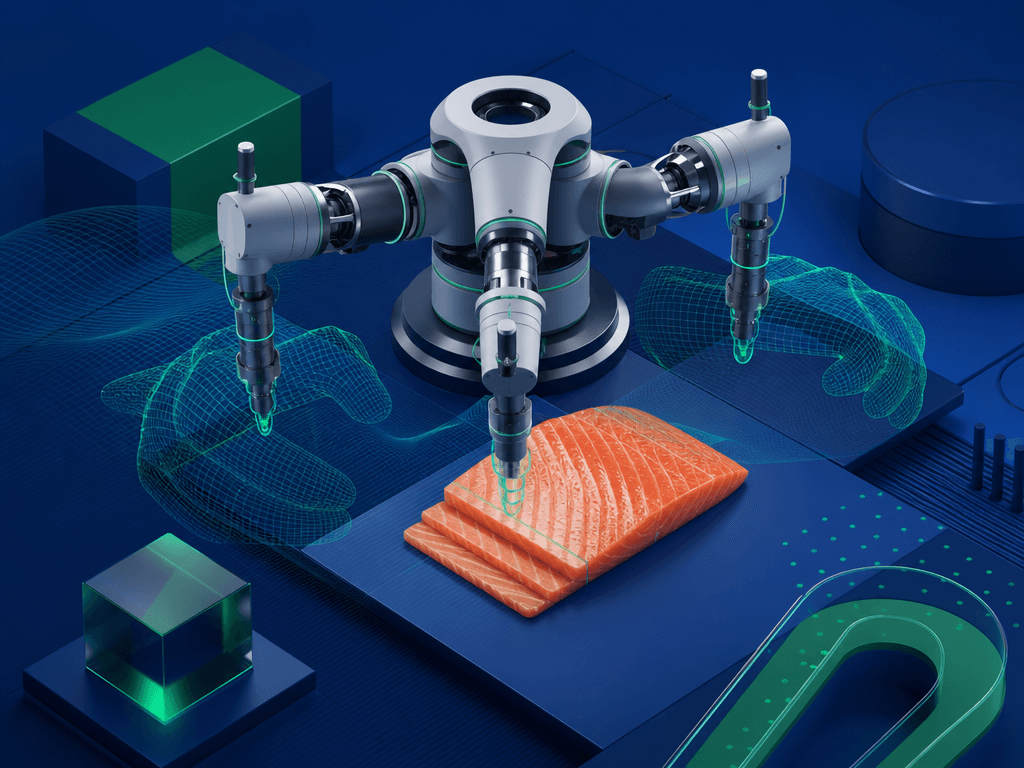
A new robotic system utilizes deep reinforcement learning and tactile sensing to automate the delicate task of slicing and serving salmon.
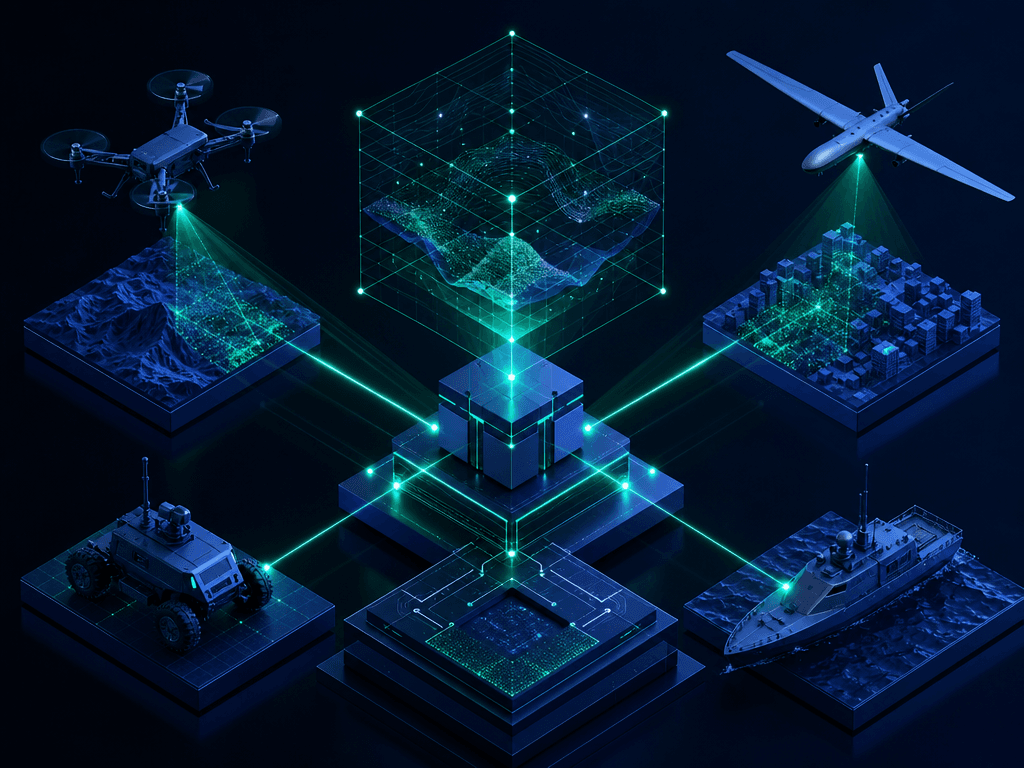
The ATLAS navigation system utilizes synthetic data and probabilistic filtering to enable uncrewed ground vehicles to operate in contested environments without satellite signals.
The AI-driven robotic arm locates standard diagnostic views faster and more accurately than human operators. Trained in a generative simulation environment, the system aims to standardize scan quality and expand access to cardiac imaging.
Concordia University researchers utilized generative AI synthetic data to train a deep reinforcement learning agent capable of executing complex cardiac imaging without manual guidance.
Applied machine learning, filed daily.
Model releases, silicon, clinical deployment, and the policy shaping them. No digest padding.