Awiros positions vision AI as the new enterprise operating system
The platform aims to unify fragmented visual workflows into a centralized intelligence layer for physical infrastructure.
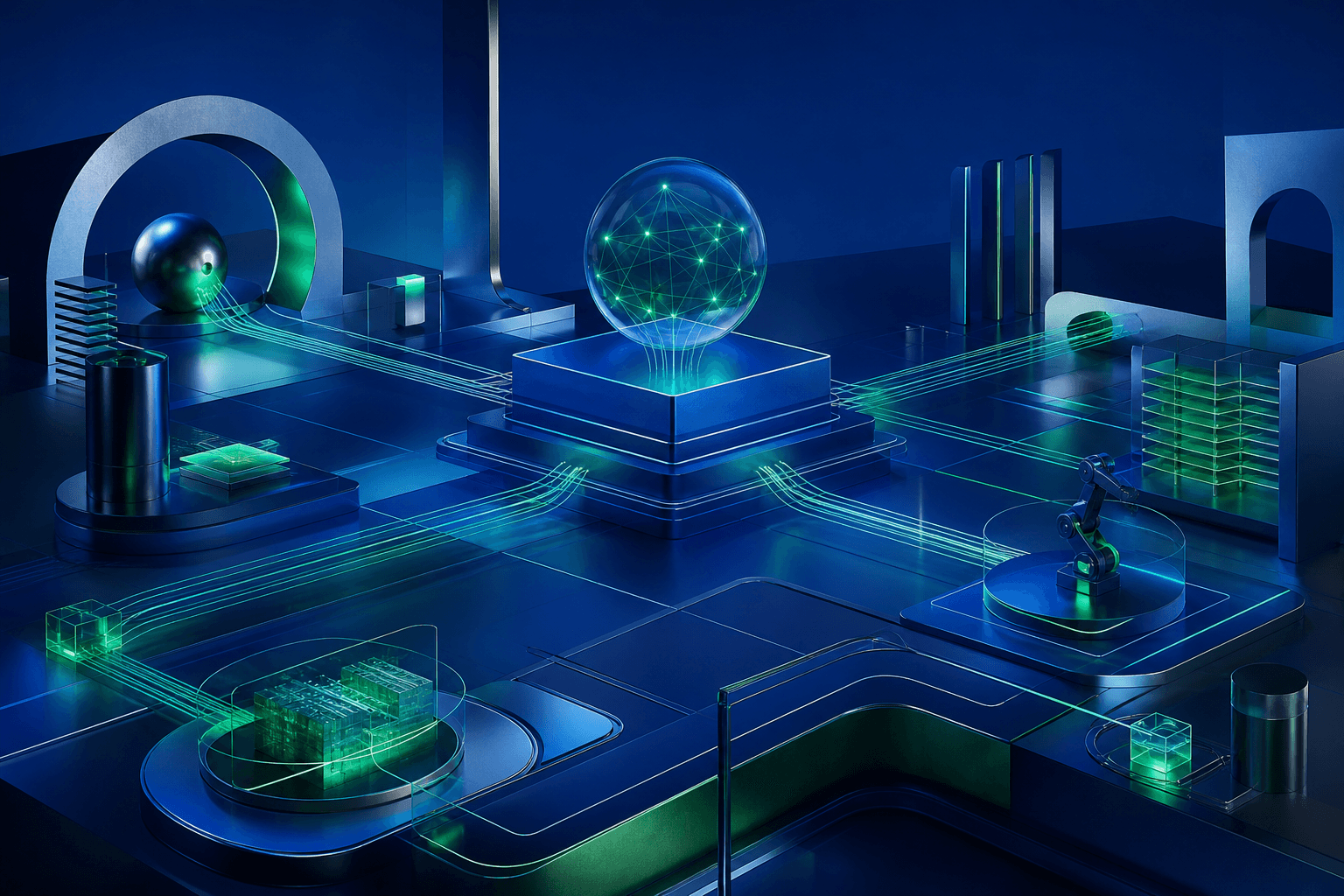
Vision AI is transitioning from a collection of experimental point solutions to a foundational intelligence layer for physical enterprise infrastructure. Vikram Gupta, founder and CEO of Awiros, suggests that this shift mirrors the historical evolution of cloud computing and mobile ecosystems, where unified platforms eventually superseded fragmented, individual deployments.
According to an interview published by Express Computer, the current market environment reflects a period of rapid adoption where enterprises are moving beyond simple detection capabilities toward large-scale orchestration. Awiros has developed a platform designed to abstract infrastructure complexity, allowing organizations to manage hundreds of distinct visual workflows across thousands of cameras. This approach aims to solve the interoperability challenges that often plague early-stage AI deployments in complex environments like airports, manufacturing facilities, and logistics hubs.
Data utilization remains a significant hurdle for modern enterprises, as estimates indicate that over 95% of video data currently remains unanalyzed in real time. Organizations have invested heavily in camera hardware over the past decade, yet these assets largely function as passive recording devices rather than active sensors. Extracting intelligence from this existing, untapped dataset represents the primary technical challenge for organizations seeking to improve operational efficiency and predictive maintenance.
The shift toward platform-based architectures is driven by the need for scalability and long-term investment protection. By providing a centralized environment for deployment, companies can avoid the technical debt associated with managing isolated applications. This unified strategy enables organizations to integrate new AI models as they become available without the necessity of rebuilding their underlying infrastructure.
Operational requirements for these systems are becoming increasingly rigorous as they move into critical sectors like defense and aerospace. The demand has evolved from basic proof-of-concept testing to questions regarding the speed and reliability of deployment across hundreds of facilities. This transition signals that vision AI is maturing into a core component of enterprise resource planning, where measurable return on investment is tied directly to safety compliance and process optimization.
Awiros reports that its platform is currently deployed across diverse sectors, including energy, mining, and airframer supply chains. By standardizing the deployment process, the company enables firms to orchestrate hundreds of AI applications simultaneously. This capability allows for the continuous improvement of visual workflows, ensuring that the system evolves alongside the specific business needs of the enterprise. The platform utilizes a modular architecture that allows for the integration of custom inference models, enabling teams to deploy specific algorithms tailored to unique industrial site requirements.
The convergence of edge computing, robotics, and multimodal models is accelerating the transition toward what is described as cognitive infrastructure. These systems are designed to move beyond simple object detection to reasoning about complex events and orchestrating autonomous actions. Such capabilities allow industrial assets to predict failures and trigger maintenance workflows before critical systems experience downtime.
The broader significance of this trend lies in the move toward autonomous physical operations. As vision AI becomes the centralized processing layer of the physical world, the ability to convert visual data into autonomous decision-making will likely differentiate market leaders from laggards. This evolution suggests that companies will increasingly prioritize systems that provide quantifiable improvements in throughput, safety, and asset utilization.
Future development cycles will focus on refining how these systems handle context and reasoning in real-world environments. The industry is moving toward a state where cameras function as intelligent collaborators rather than passive observers. As these platforms continue to mature, the focus will remain on creating interoperable ecosystems that allow developers and enterprises to continuously build new value on top of existing visual data streams. This trajectory ensures that visual intelligence becomes as fundamental to industrial operations as traditional ERP systems have been to digital enterprise management.