
RESEARCH
Databricks optimizes multi-hop agent retrieval with adaptive search model
The new adaptive retrieval architecture reduces computational overhead for AI agents by dynamically adjusting search steps based on query complexity.
The new adaptive retrieval architecture reduces computational overhead for AI agents by dynamically adjusting search steps based on query complexity.

The new open-source model integrates vision-language capabilities with 3D perception and trajectory planning for autonomous driving systems.
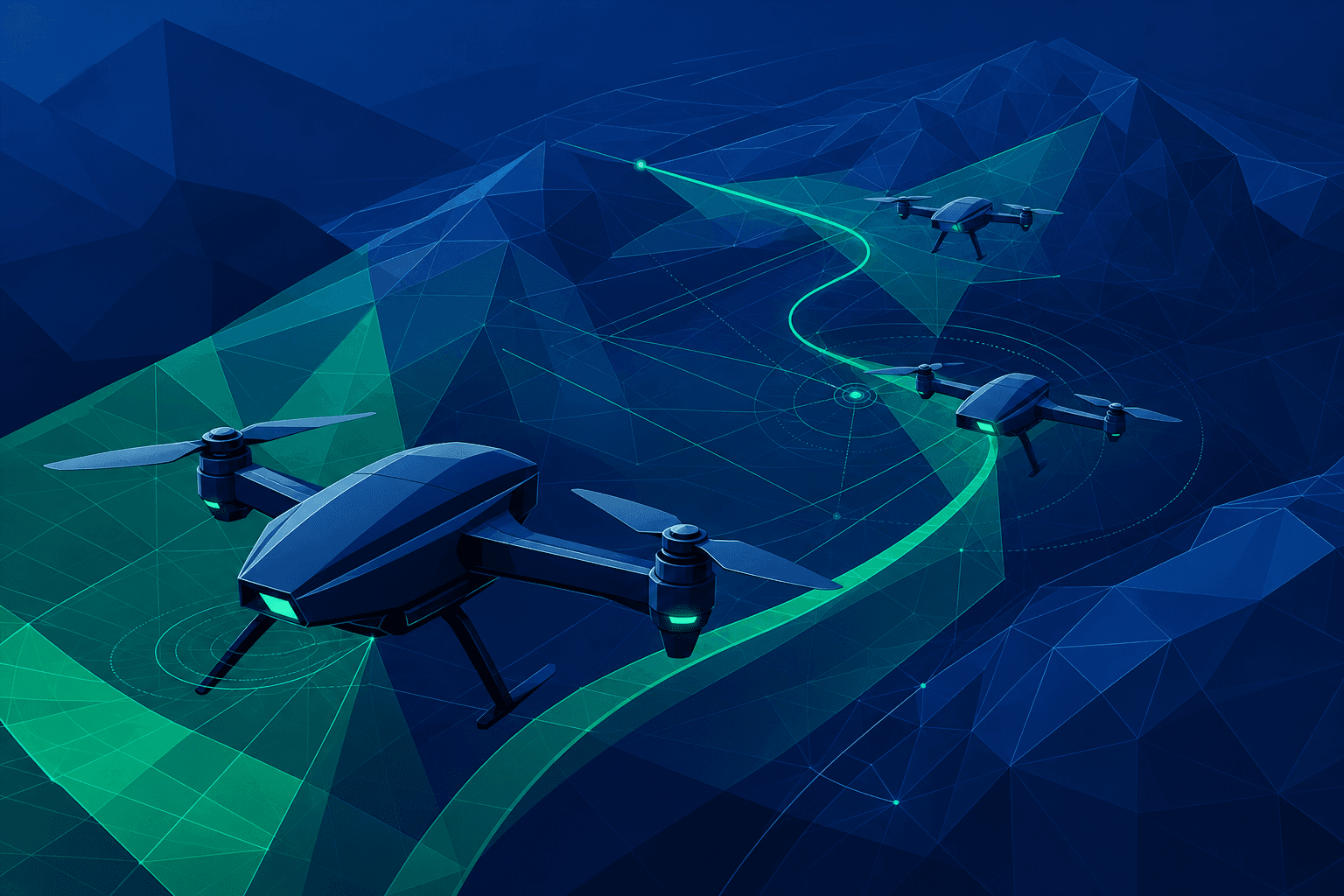
Engineers at Sandia National Laboratories are utilizing reinforcement learning to train autonomous drones for complex, cooperative maneuvers in dynamic environments.

A new deep learning architecture integrates reinforcement learning to optimize crop yield predictions by automating data cleaning and feature selection.

The new seven-chip platform addresses the compute demands of continuous reinforcement learning through enhanced memory bandwidth and hardware-software codesign.

The new RLTune platform integrates directly into existing utility control stacks to provide real-time, adaptive process optimization without requiring digital twins.
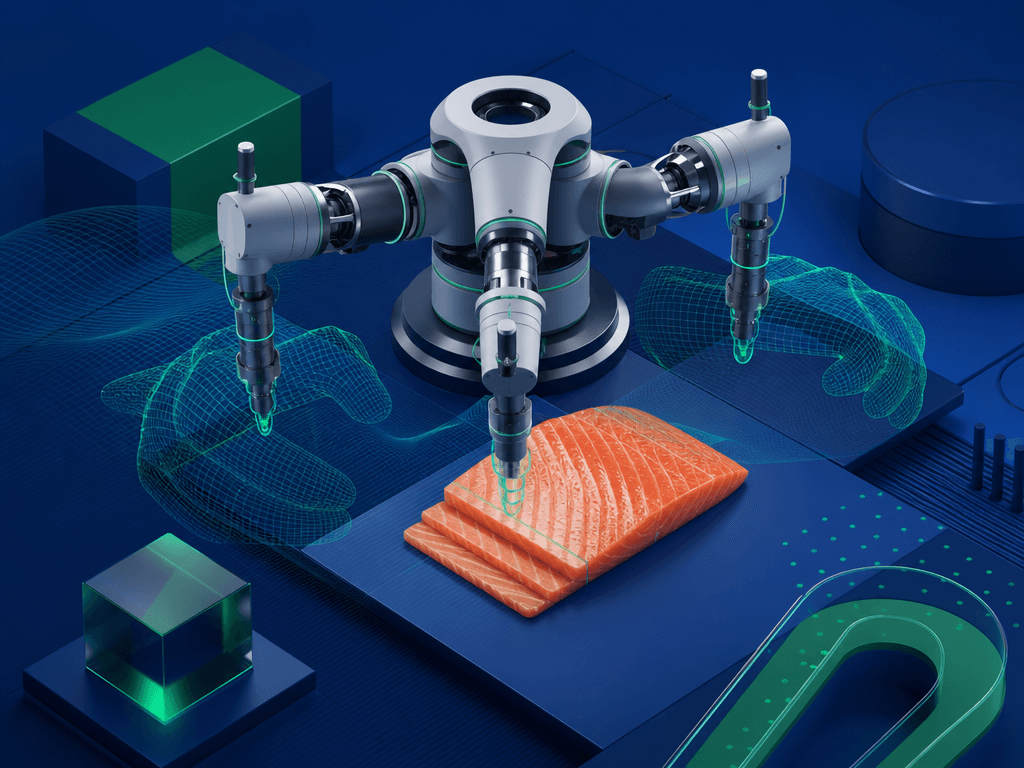
A new robotic system utilizes deep reinforcement learning and tactile sensing to automate the delicate task of slicing and serving salmon.

In recent years, reinforcement learning (RL) has emerged as a powerful paradigm in the world of artificial intelligence (AI). Unlike traditional supervised learning methods, which rely on labeled datasets, reinforcement learning is inspired by behavioral psychology. It revolves around the concept of agents learning to make decisions through trial and error in dynamic environments, maximizing
Applied machine learning, filed daily.
Model releases, silicon, clinical deployment, and the policy shaping them. No digest padding.