RESEARCH
ChromAgeNet uses explainable AI to map chromatin architecture in aging stem cells
Researchers have developed a deep learning framework to quantify nuclear structural changes, offering a new path for screening regenerative therapies.
Researchers have developed a deep learning framework to quantify nuclear structural changes, offering a new path for screening regenerative therapies.

Researchers utilize raw network protocol data to enable autonomous agent navigation in World of Warcraft without visual rendering.
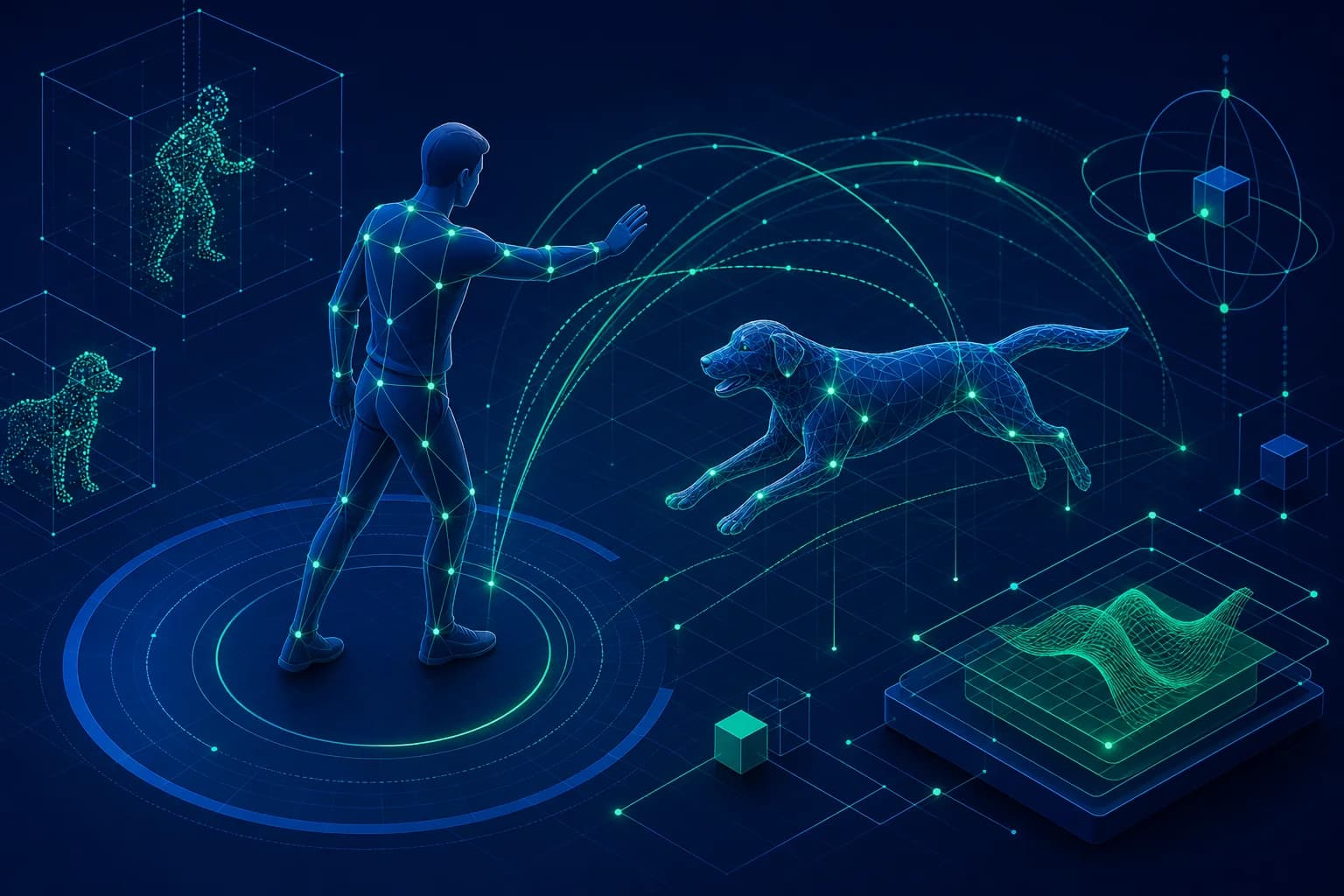
A new multimodal 4D dataset from the Institute of Science Tokyo enables AI to interpret and generate canine movements in response to human cues.
Researchers have developed a novel network architecture that enhances video clarity by optimizing inter-frame motion alignment and feature fusion.

The model’s unexpected ability to construct multi-step exploit chains has prompted a two-week safety hold on its open-weight release.

The long-time chief scientist and architect of Google’s foundational infrastructure is leaving to pursue automated machine learning systems.

An experimental typography project highlights how current multimodal models struggle to process motion-based visual information, exposing a gap in temporal integration.

The University of Tennessee Research Foundation alleges that Anthropic’s AI systems infringe on patents related to neuroscience-inspired machine learning.
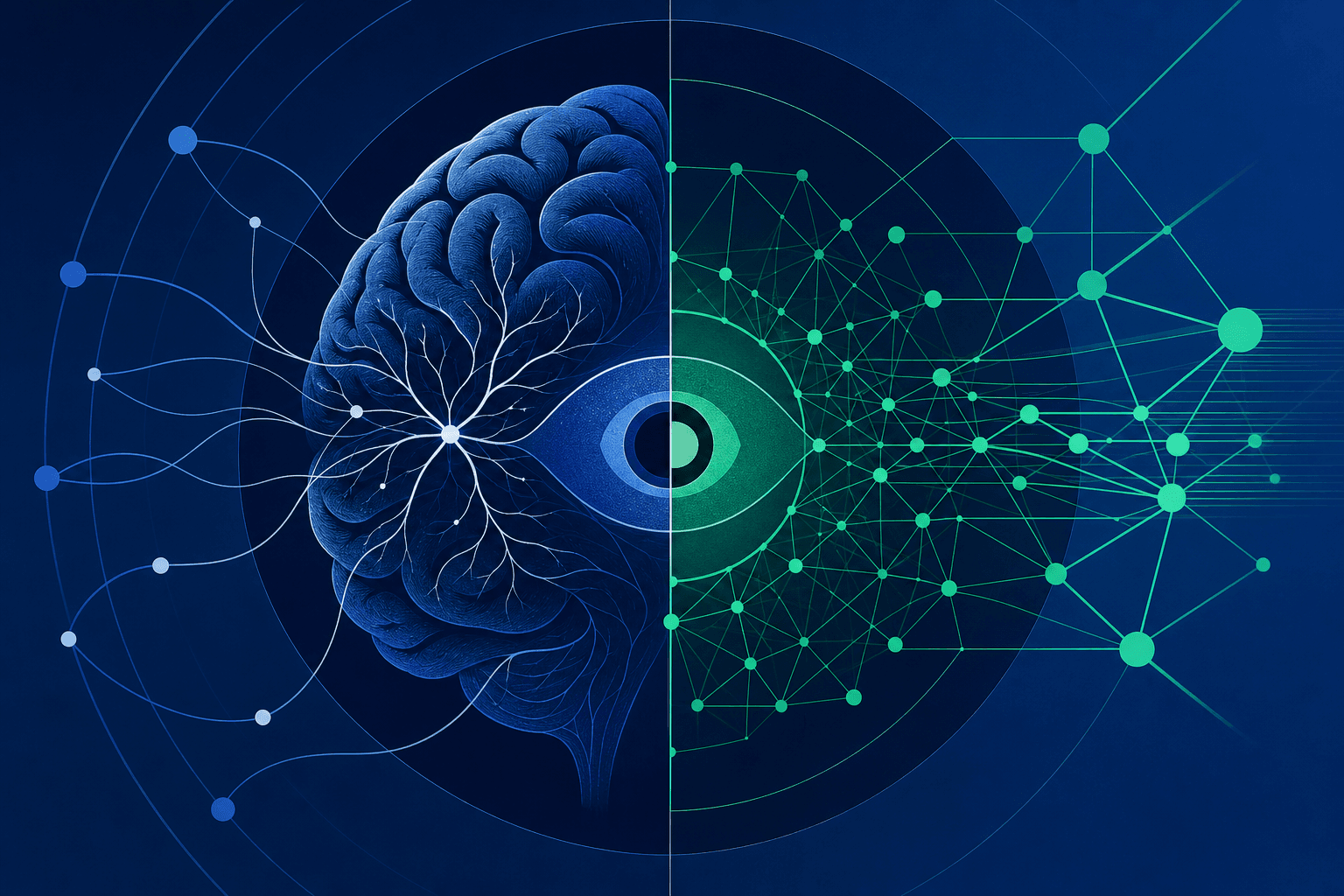
New research suggests that artificial neural networks often rely on internal strategies that differ significantly from the primate brain, challenging the assumption of biological equivalence.

The new multimodal foundation model from Mira Murati’s startup offers a 1-million-token context window and specialized optimization for NVIDIA hardware.
Applied machine learning, filed daily.
Model releases, silicon, clinical deployment, and the policy shaping them. No digest padding.