
RESEARCH
Ghost Font Experiment Exposes Limits of Frame-Based AI Vision
The Ghost Font project highlights a fundamental divergence between human temporal perception and the static frame-based processing of current multimodal AI models.
The Ghost Font project highlights a fundamental divergence between human temporal perception and the static frame-based processing of current multimodal AI models.

University of Michigan researchers demonstrate that domain-specific visual foundation models trained on internal clinical archives significantly outperform frontier models in medical imaging.
New foundation models are replacing traditional numerical weather prediction with neural architectures that synthesize multi-modal climate data to improve forecast accuracy.
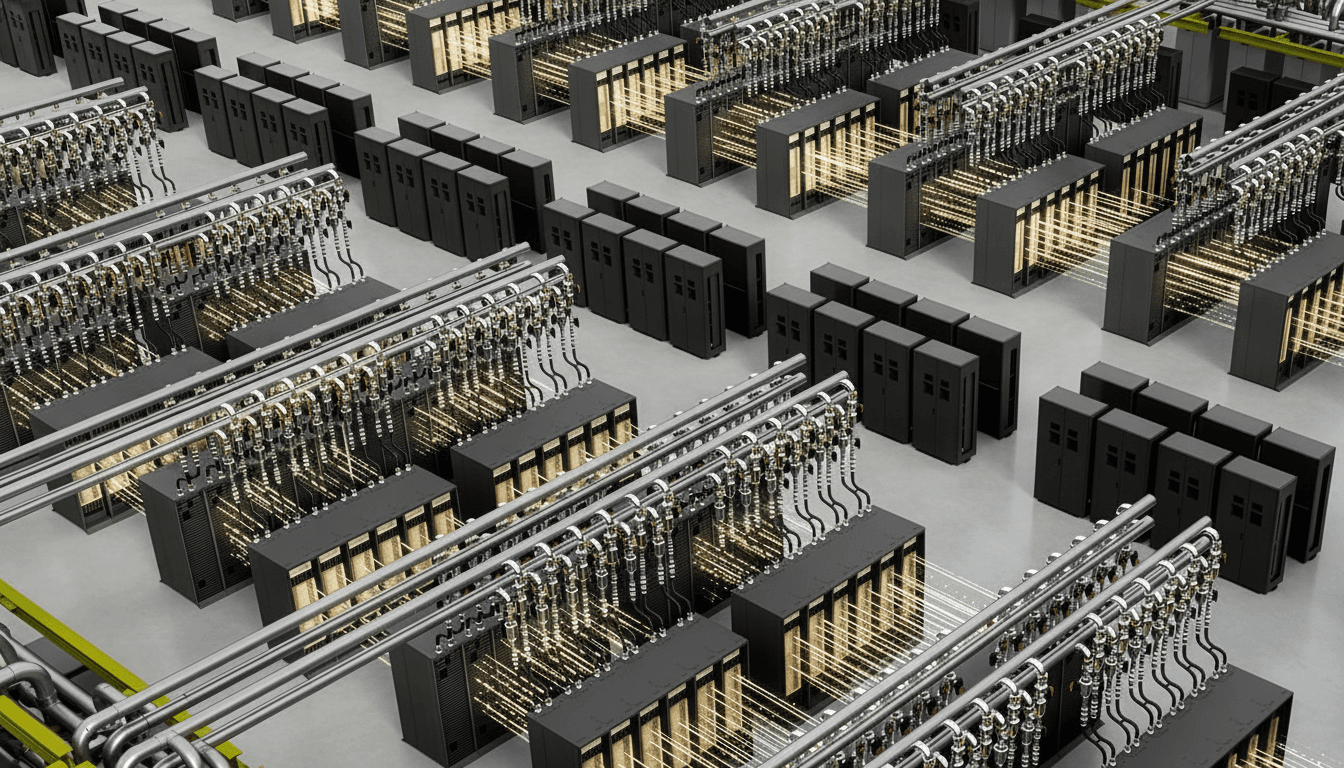
The new processor architecture aims to balance traditional scientific computing with the orchestration demands of autonomous research agents.
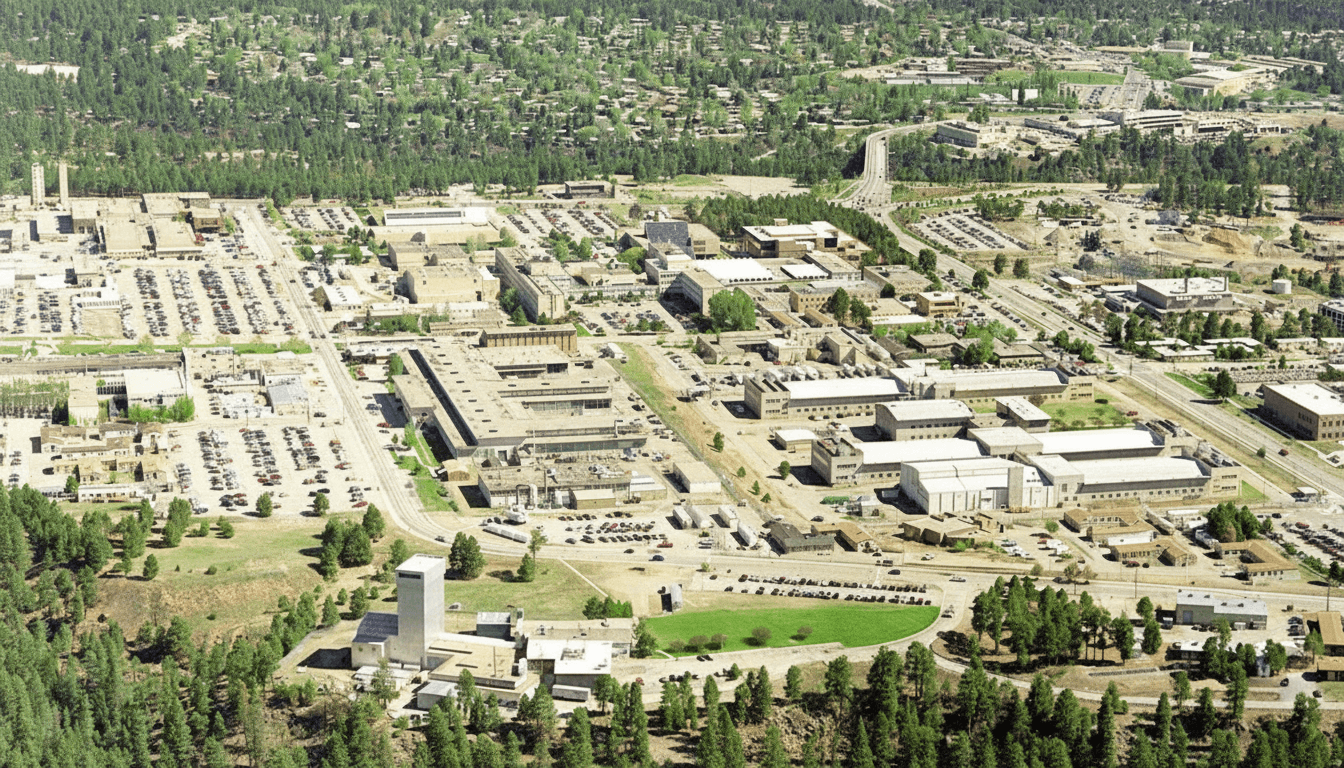
A new diagnostic metric provides real-time monitoring of vision-language models by quantifying the grounding of generated text in visual inputs.
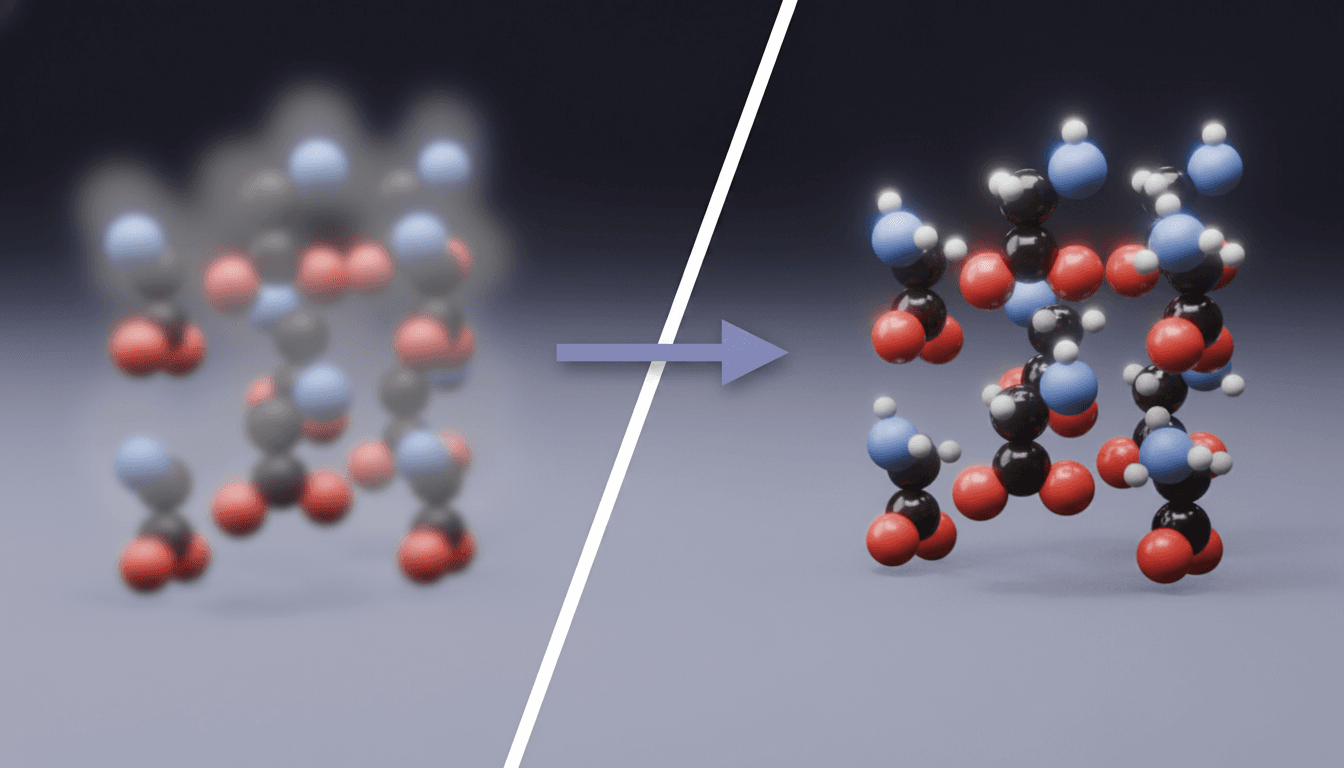
Researchers have adapted computer vision techniques to solve the challenge of missing hydrogen atoms in crystal lattices with high accuracy.

A new machine learning framework utilizes the Mori-Zwanzig formalism to model chaotic particle trajectories in turbulent flows, overcoming traditional computational barriers.
Unlocking New Frontiers: The Future of AI Research and Its Impact on Society The landscape of artificial intelligence (AI) is evolving at an unprecedented pace, impacting every facet of our lives—from how we work to how we interact with one another. The rapid advancements in AI research are unlocking new frontiers, enabling innovations that could
Applied machine learning, filed daily.
Model releases, silicon, clinical deployment, and the policy shaping them. No digest padding.