RESEARCH
Scaling Climate Intelligence with Foundation Model Architectures
New foundation models are replacing traditional numerical weather prediction with neural architectures that synthesize multi-modal climate data to improve forecast accuracy.
New foundation models are replacing traditional numerical weather prediction with neural architectures that synthesize multi-modal climate data to improve forecast accuracy.

The shift toward localized AI infrastructure is forcing a structural evolution in India’s IT sector, prioritizing specialized governance and deployment expertise over basic model development.

Qualcomm is developing a new chip architecture to bring data center-level AI performance to mobile devices by optimizing memory-compute proximity.

The aerospace firm is aggressively expanding its internal machine learning capacity to automate complex vehicle design and secure government-facing platform operations.
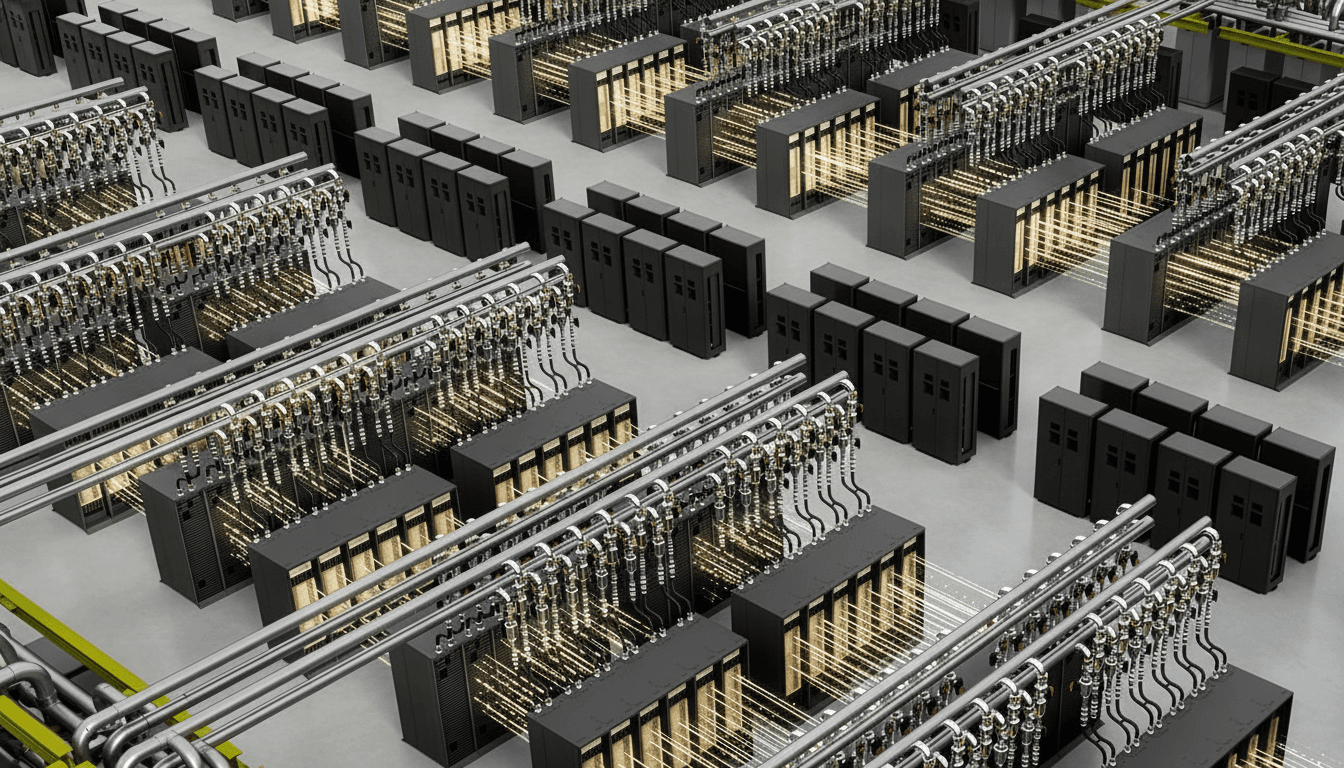
The new processor architecture aims to balance traditional scientific computing with the orchestration demands of autonomous research agents.

Researchers have developed a new diagnostic framework that enables neural networks to quantify uncertainty, reducing the risk of overconfident errors in cancer subtyping.

The new RLTune platform integrates directly into existing utility control stacks to provide real-time, adaptive process optimization without requiring digital twins.
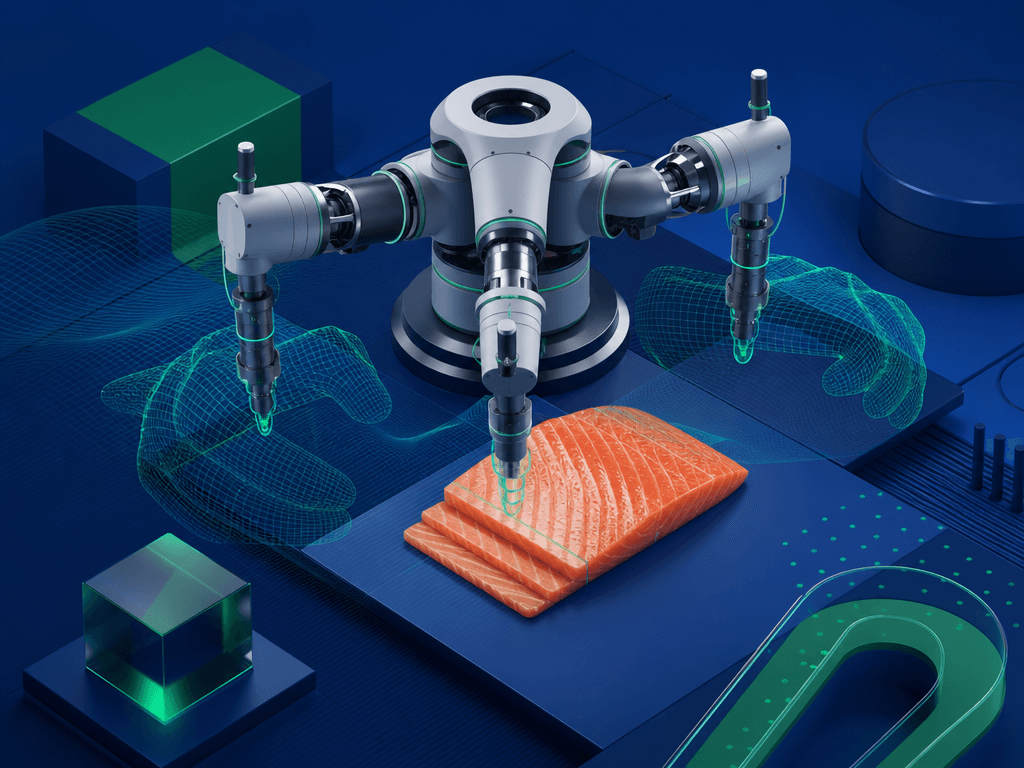
A new robotic system utilizes deep reinforcement learning and tactile sensing to automate the delicate task of slicing and serving salmon.
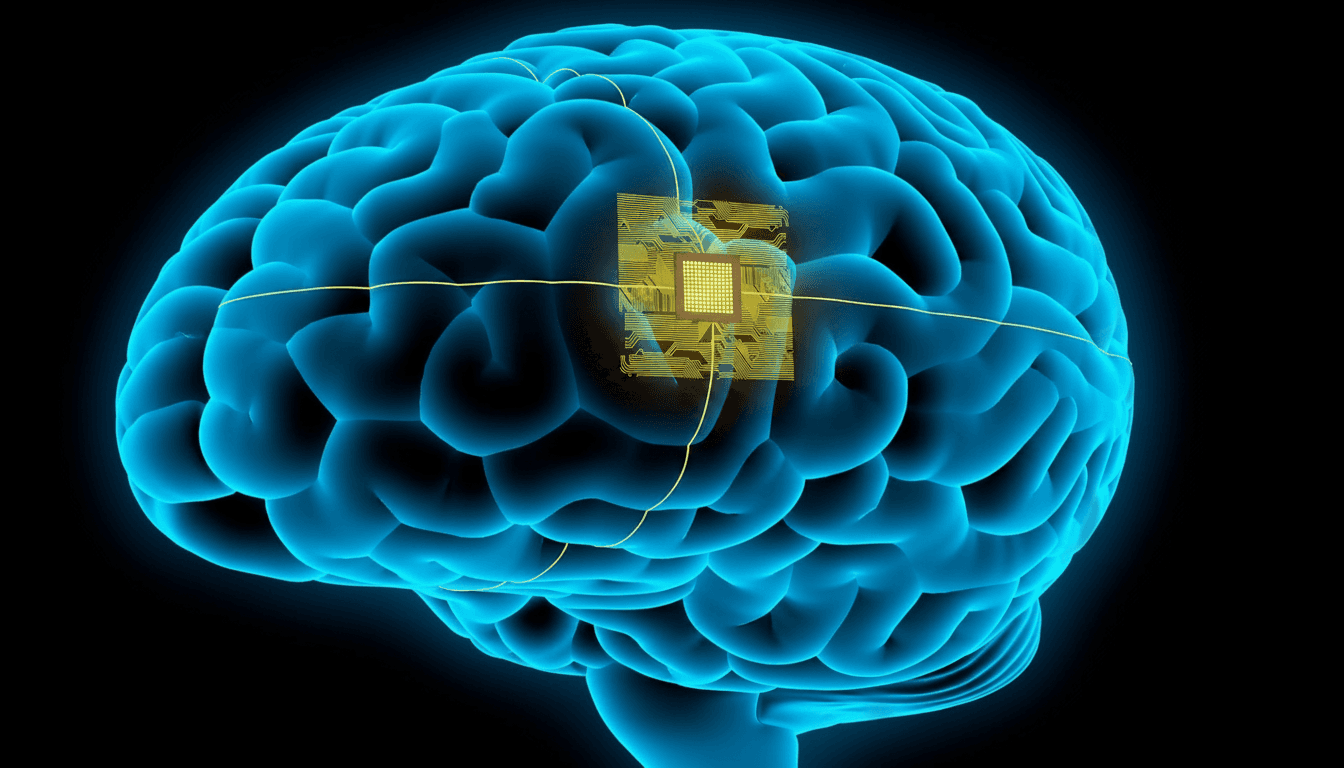
Researchers have developed a high-density, ultra-flexible electrode array that maintains signal integrity for over 550 days by minimizing mechanical friction with neural tissue.

The co-author of the Transformer architecture moves to OpenAI after a brief tenure at Google, signaling a shift in the development of efficient large language models.
Applied machine learning, filed daily.
Model releases, silicon, clinical deployment, and the policy shaping them. No digest padding.