HEALTH & BIO AI
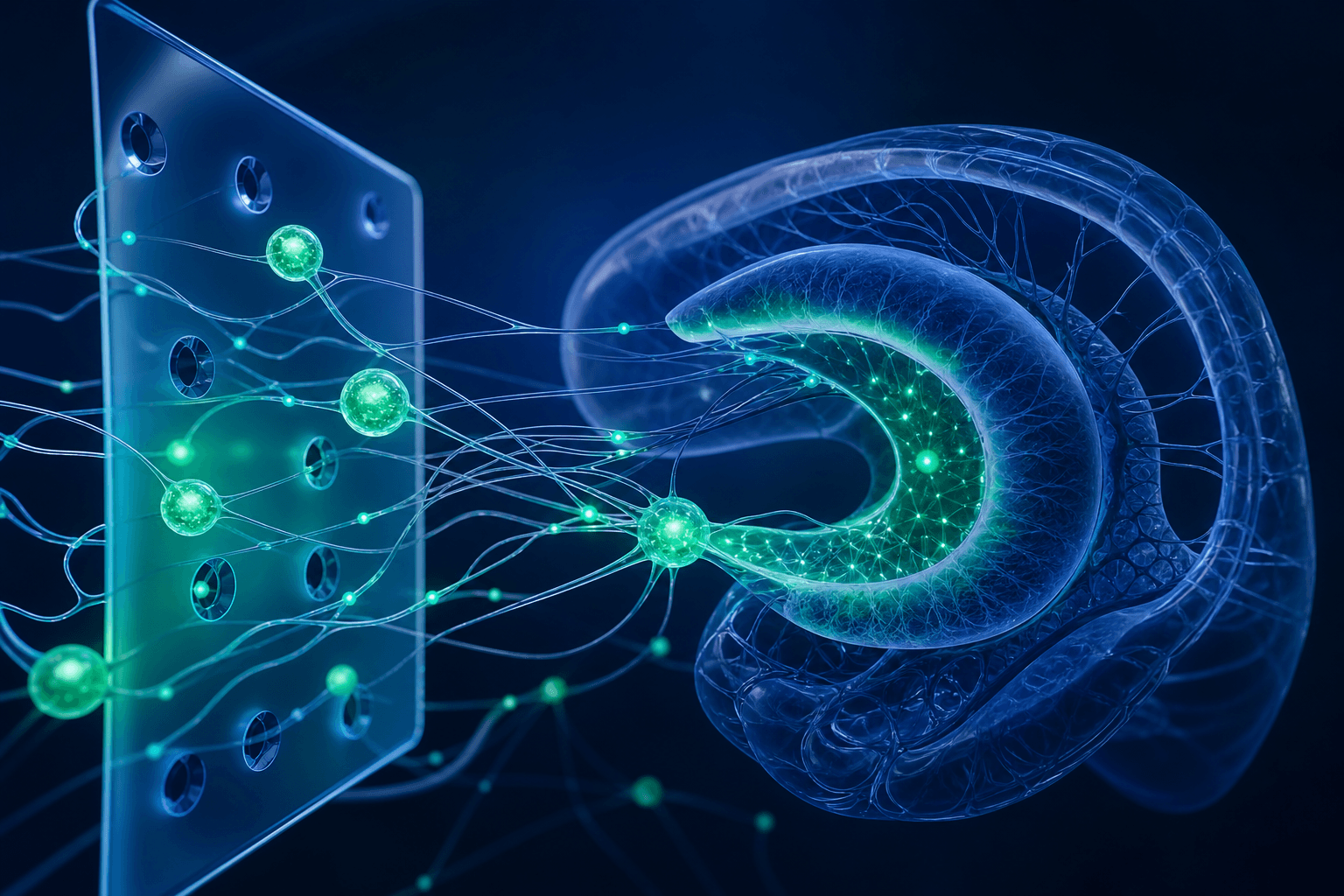
Hippocampal plasticity dynamics reveal state-dependent memory encoding
New research from the University of Tübingen demonstrates that hippocampal memory circuits rely on natural shifts in alertness to gate neural plasticity.
New research from the University of Tübingen demonstrates that hippocampal memory circuits rely on natural shifts in alertness to gate neural plasticity.

A new computational approach reduces the resource intensity of quantum simulations, enabling researchers to model larger molecular systems with greater efficiency.

The University of Tennessee Research Foundation alleges that Anthropic’s AI systems infringe on patents related to neuroscience-inspired machine learning.

The new seven-chip platform addresses the compute demands of continuous reinforcement learning through enhanced memory bandwidth and hardware-software codesign.
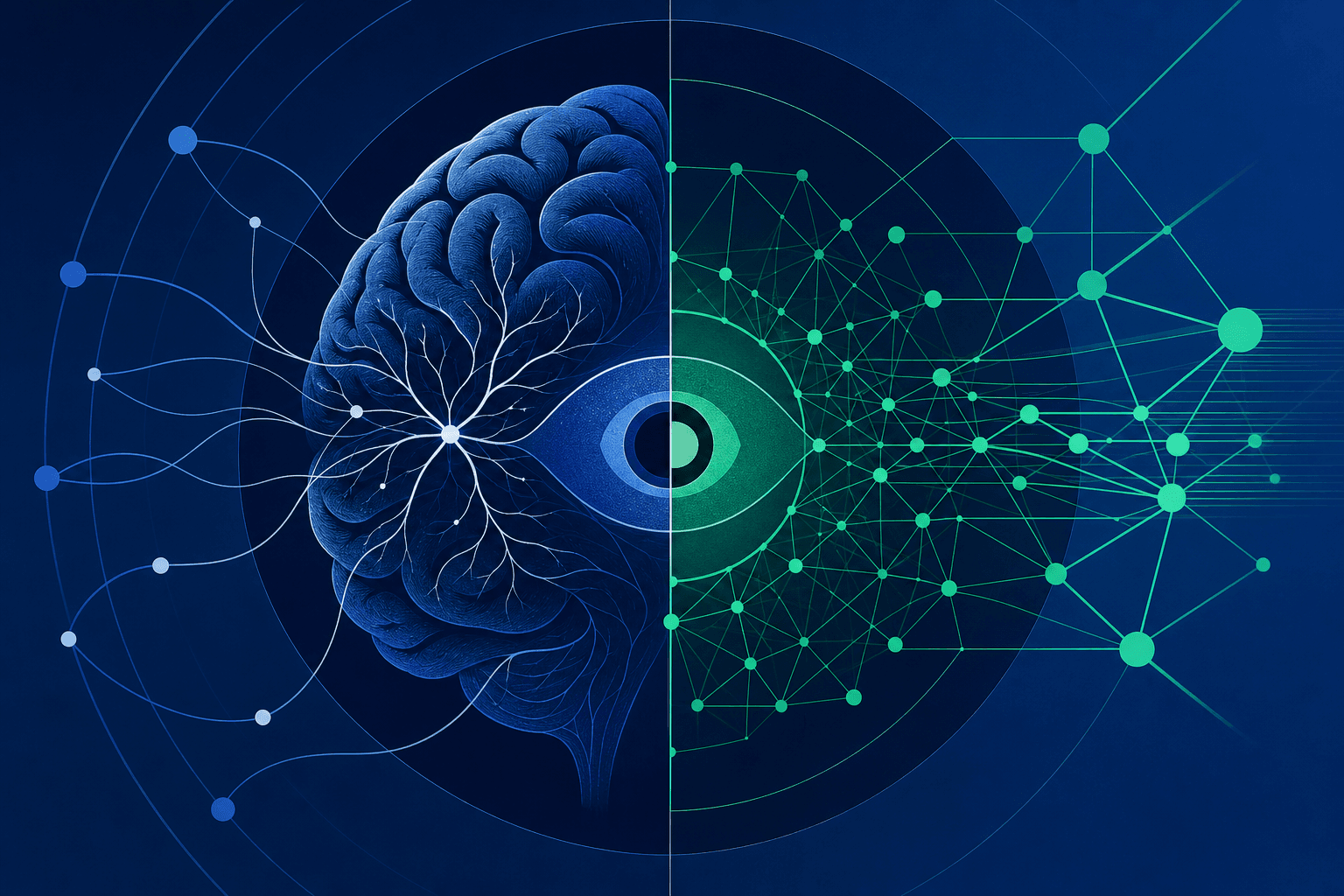
New research suggests that artificial neural networks often rely on internal strategies that differ significantly from the primate brain, challenging the assumption of biological equivalence.

The newly formed World Artificial Intelligence Cooperation Organisation aims to provide a sovereign alternative to US-based large language models for developing nations.

The new multimodal foundation model from Mira Murati’s startup offers a 1-million-token context window and specialized optimization for NVIDIA hardware.

University of Michigan researchers demonstrate that domain-specific visual foundation models trained on internal clinical archives significantly outperform frontier models in medical imaging.

While NPUs offer efficiency for lightweight tasks, discrete GPUs remain the essential architecture for high-parameter model deployment due to memory bandwidth and software maturity.

New research from KAIST reveals that autonomous AI agents consume significantly more power than standard generative models due to iterative reasoning loops.
Applied machine learning, filed daily.
Model releases, silicon, clinical deployment, and the policy shaping them. No digest padding.