Unlocking the Future: How Predictive Modeling is Shaping Business Strategies
In an era defined by rapid technological advancements, businesses are constantly in search of innovative strategies to gain a competitive edge. Predictive modeling, a technique that utilizes historical data to forecast future outcomes, is transforming the landscape of decision-making across industries. From retail to healthcare, predictive modeling is not just a buzzword; it’s becoming an

In an era defined by rapid technological advancements, businesses are constantly in search of innovative strategies to gain a competitive edge. Predictive modeling, a technique that utilizes historical data to forecast future outcomes, is transforming the landscape of decision-making across industries. From retail to healthcare, predictive modeling is not just a buzzword; it’s becoming an essential component of successful business strategies.
The Rise of Predictive Modeling
Predictive modeling is rooted in statistics and machine learning, combining algorithms with large volumes of data. Its origins can be traced back to disciplines such as insurance, where companies anticipated risks based on historical claims data. Today, however, its applications have expanded exponentially.
According to a report by Gartner, the global predictive analytics market is expected to surpass $10 billion by 2025. This growth is fueled by businesses recognizing the power of data-driven insights to inform strategies and enhance operational efficiencies.
Applications Across Industries
Retail
In the retail sector, predictive modeling is revolutionizing supply chain management and customer experience. For instance, companies like Amazon leverage algorithms to analyze customer purchasing patterns, enabling them to stock popular items and anticipate demand surges during holiday seasons. Retailers can personalize marketing strategies by predicting what products specific customer segments are likely to purchase, thus enhancing customer loyalty and increasing sales.
Healthcare
In healthcare, predictive modeling plays a critical role in improving patient outcomes. Hospitals utilize data from electronic health records to predict patient admissions, thus optimizing staffing and resource allocation. For example, a study published in the journal BMC Medical Informatics and Decision Making revealed that predictive analytics could reduce emergency room wait times significantly by anticipating peak periods and allocating resources accordingly.
Finance
In the financial sector, predictive analytics helps in assessing credit risk and detecting fraud. Banks analyze customer transaction histories to predict behaviors that may signal potential defaults. A prominent example is Wells Fargo, which employs predictive modeling to enhance its fraud detection systems, thus protecting both the bank and its customers.
Challenges in Implementation
Despite the numerous applications of predictive modeling, businesses face challenges in its implementation. One significant barrier is data quality. Inaccurate or incomplete data can lead to erroneous predictions, resulting in misguided business strategies. According to a study by Forrester, around 60-73% of all data within an organization is never used for analytics, primarily due to its poor quality.
Additionally, there is a growing concern regarding privacy and ethical implications. As businesses collect vast amounts of personal data, ensuring compliance with regulations like the GDPR (General Data Protection Regulation) is crucial. Companies must strike a balance between leveraging data for predictions and respecting customer privacy.
The Future of Predictive Modeling
As technology advances, the future of predictive modeling looks promising. The emergence of artificial intelligence (AI) and machine learning (ML) is set to enhance the accuracy and efficiency of predictive analytics. AI algorithms can process and analyze data at unprecedented speeds, making real-time predictions possible. According to Forrester Research, organizations that integrate AI into their predictive analytics capabilities could see up to a 20% increase in productivity within the next five years.
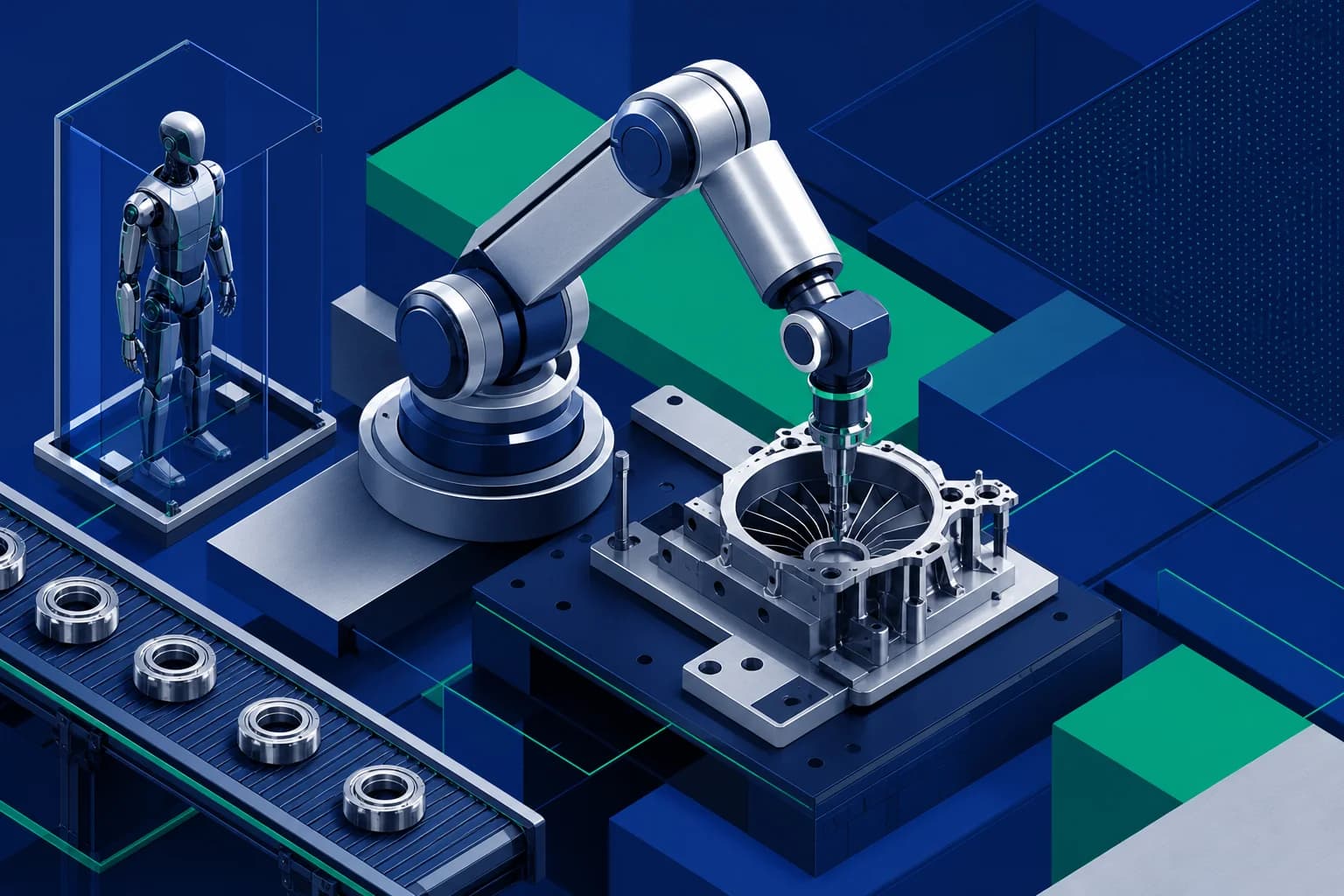
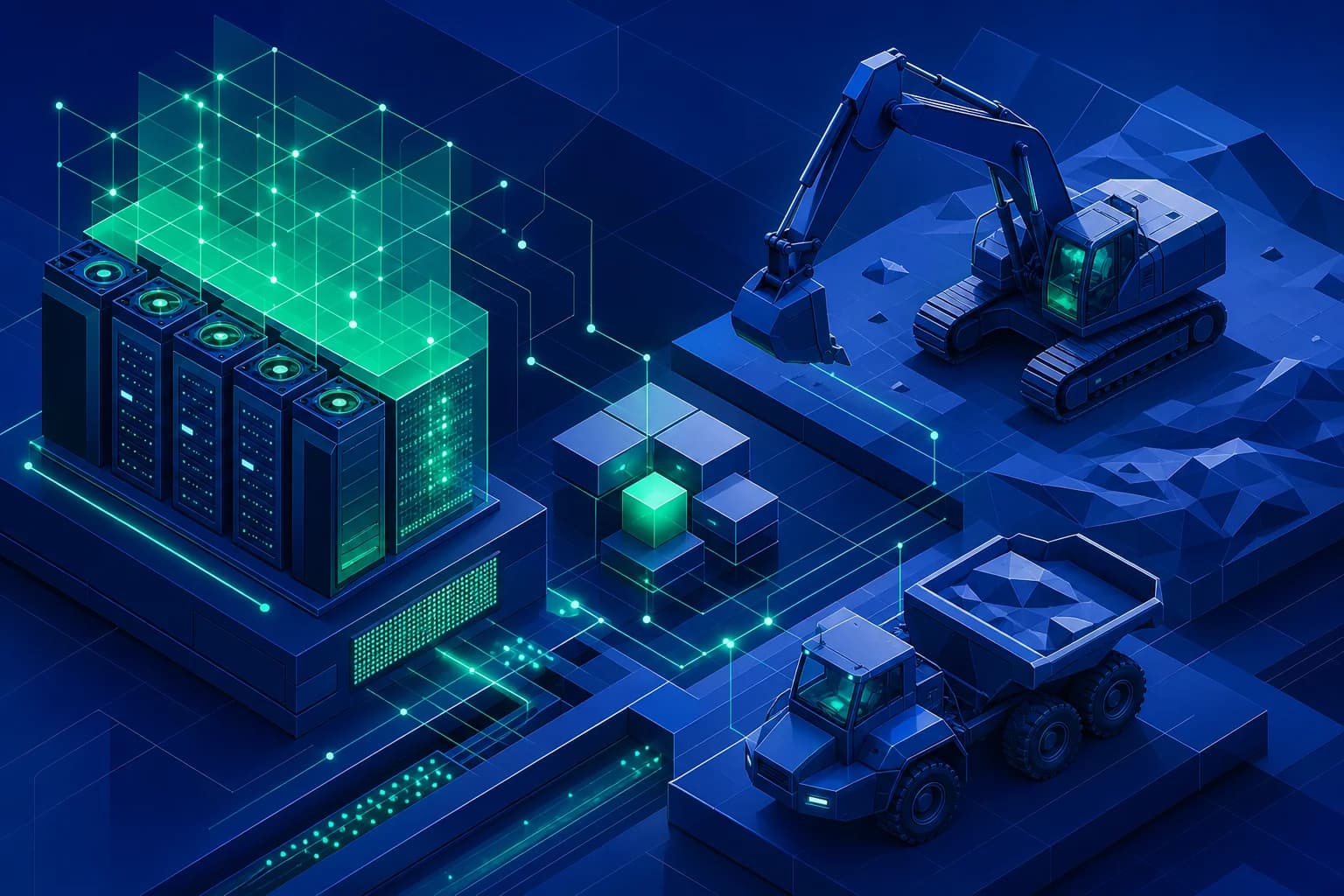
Moreover, the integration of the Internet of Things (IoT) is expected to revolutionize predictive modeling. Sensors across various devices can provide real-time data, allowing for even more accurate predictions. In the manufacturing sector, for example, predictive maintenance can be achieved by analyzing data from machinery to foresee potential failures before they occur, thus minimizing downtime and reducing costs.
Conclusion
Predictive modeling is unlocking new avenues for businesses to explore strategies that were once considered speculative. As companies continue to harness the power of data-driven decision-making, those that effectively implement predictive analytics will gain a significant competitive advantage. While challenges remain, the potential offered by predictive modeling is too significant to overlook. As we move into a future driven by data, the question is no longer whether predictive modeling will shape business strategies, but rather how extensively organizations can integrate this technology into their operational frameworks.