Unlocking the Future: How Computer Vision Algorithms are Transforming Industries
In today’s rapidly changing technological landscape, computer vision has emerged as a cornerstone for innovation. Defined as a field of artificial intelligence (AI) that enables machines to interpret and respond to visual data, computer vision algorithms are ushering in a multitude of transformative applications across various industries. The Basics of Computer Vision At its core,

In today’s rapidly changing technological landscape, computer vision has emerged as a cornerstone for innovation. Defined as a field of artificial intelligence (AI) that enables machines to interpret and respond to visual data, computer vision algorithms are ushering in a multitude of transformative applications across various industries.
The Basics of Computer Vision
At its core, computer vision is about enabling machines to “see.” It combines aspects of image processing, machine learning, and deep learning to analyze visual information. Algorithms can identify objects, track movements, recognize facial features, and even diagnose medical conditions based on visual inputs. The technologies utilized in computer vision range from traditional image processing techniques to advanced neural networks that mimic human reasoning.
Healthcare: Revolutionizing Diagnostics
One of the most impactful applications of computer vision algorithms is in the healthcare industry. The ability to analyze images from MRI scans, CT scans, and X-rays with incredible precision has transformed diagnostics. For example, algorithmic advancements have made it possible to detect anomalies in imaging data faster and more accurately than human radiologists.
According to a study published in the journal Nature, deep learning algorithms demonstrated performance comparable to that of expert radiologists in identifying breast cancer from mammograms. This introduces both efficiency and the promise of early detection, potentially saving lives and reducing healthcare costs.
Automotive Industry: Pioneering Autonomous Vehicles
The automotive industry has been one of the biggest beneficiaries of computer vision technology. Self-driving cars rely heavily on advanced algorithms to navigate the real world safely. These vehicles use a combination of cameras, LIDAR, and radar to perceive their environment.
For instance, Tesla’s Autopilot system employs computer vision to interpret the surroundings, detect other vehicles, and make routing decisions. The National Highway Traffic Safety Administration states that automated driving technology could significantly reduce traffic accidents, which currently account for over 36,000 deaths annually in the U.S. alone.
Retail: Enhancing Customer Experience
In the retail sector, computer vision algorithms are reshaping customer experiences. From automated checkout processes to enhanced inventory management, the applications are numerous. Technologies now allow retailers to analyze shopper behavior using camera feeds. This can lead to insights on foot traffic patterns and product placement strategies.
Amazon Go is a prime example of this innovation. By employing a network of cameras and sensors, the store can track which items customers pick up and charge their accounts automatically, eliminating the need for traditional checkout lines. Such implementations not only streamline the shopping experience but also provide retailers with vast amounts of consumer data for analytics.
Manufacturing: Optimizing Production Lines
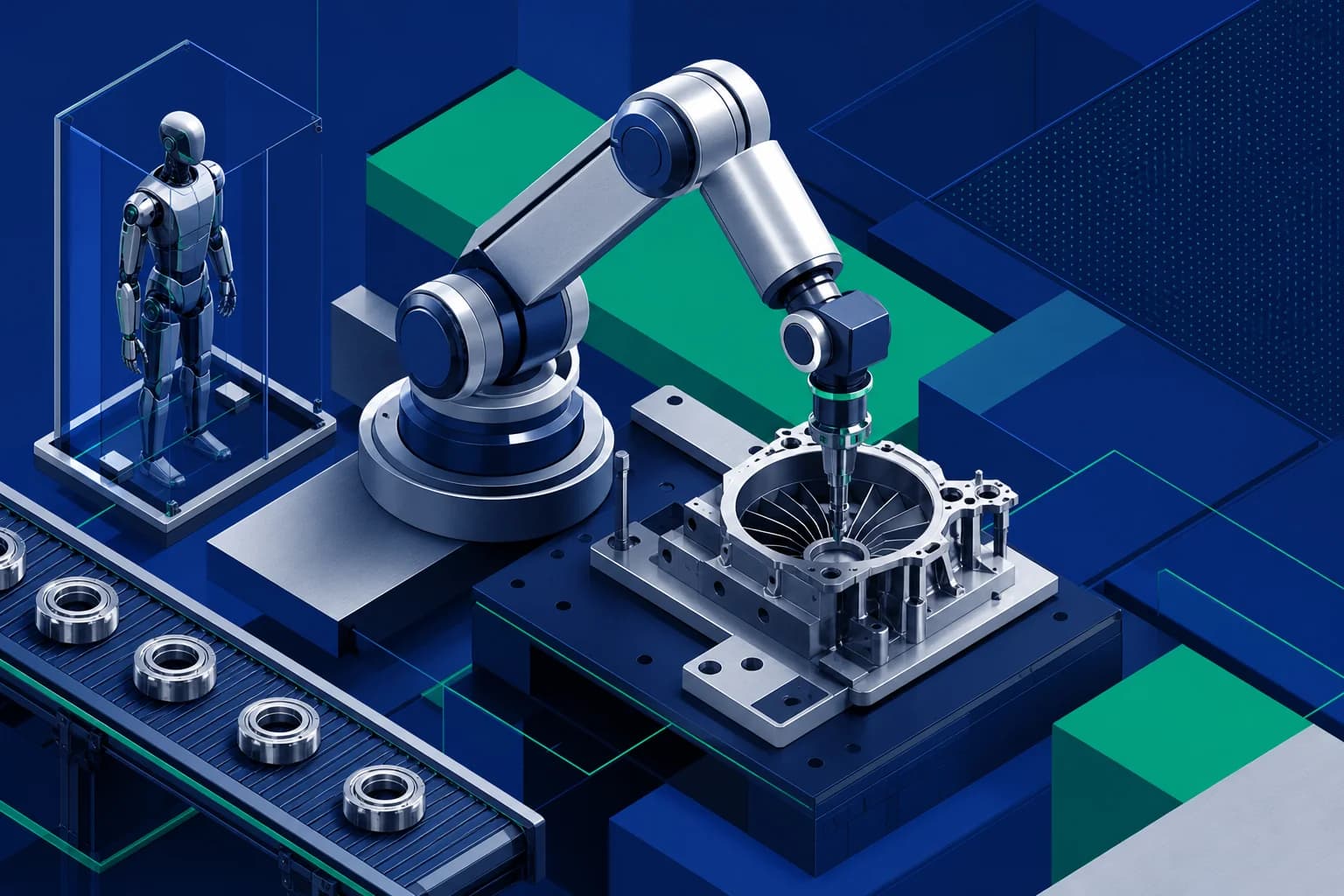
Computer vision is playing a critical role in the manufacturing sector as well, optimizing production lines through improved quality control. Automated inspection systems can detect defects in products much faster than human operators. By deploying high-resolution cameras along the production line, manufacturers can ensure that only flawless products reach consumers.
This is particularly relevant in high-stakes industries like aerospace and electronics, where even the smallest flaw can lead to catastrophic failures. Reports from McKinsey indicate that companies using computer vision systems for quality control have seen up to a 20% increase in efficiency and a significant reduction in operational costs.
Challenges and Ethical Considerations
Despite the promising advancements, the rise of computer vision algorithms does not come without its challenges. Issues related to privacy, data bias, and ethical implications are at the forefront of discussions surrounding technology implementation. Data used to train algorithms often reflects existing societal biases, leading to skewed outcomes that can affect underserved communities disproportionately.
Furthermore, as computer vision systems are increasingly embedded in daily life—from social media platforms to surveillance systems—questions surrounding consent and surveillance are becoming critical. It is imperative for companies and governments to establish ethical guidelines to govern the usage of these technologies.
Conclusion: The Road Ahead
As we look to the future, the pivotal role of computer vision algorithms across multiple industries is undeniable. Whether in healthcare, automotive, retail, or manufacturing, the transformative capabilities of this technology are bound to grow exponentially. Firms that embrace these innovations may not only enhance operational efficiencies and customer satisfaction but also contribute to a more connected, tech-driven society.
The key to unlocking the full potential of computer vision lies not only in advancing the algorithms themselves but in addressing the ethical challenges that come with their deployment. As we move futher into this AI-driven world, collaboration between technologists, ethicists, and policymakers will be crucial in ensuring that the benefits of computer vision are accessible to all.