Transforming Industries: How Machine Learning is Shaping the Future of Business
In an era marked by rapid technological change, machine learning (ML) has emerged as a cornerstone of innovation across various industries. From finance to healthcare, businesses are harnessing the capabilities of ML to enhance efficiency, improve decision-making, and create new market opportunities. The growing synergy between artificial intelligence and business strategy is not only reshaping

In an era marked by rapid technological change, machine learning (ML) has emerged as a cornerstone of innovation across various industries. From finance to healthcare, businesses are harnessing the capabilities of ML to enhance efficiency, improve decision-making, and create new market opportunities. The growing synergy between artificial intelligence and business strategy is not only reshaping how organizations operate but is also defining the future landscape of multiple sectors.
The Rise of Machine Learning
Machine learning, a subset of artificial intelligence, enables systems to learn from data, identify patterns, and make decisions with minimal human intervention. Its evolution has been fueled by increases in computing power, the abundance of data, and advances in algorithms. According to a report by McKinsey, organizations that adopt machine learning can unlock trillions of dollars of economic value in the coming years. However, the implementation of ML technologies remains a challenge for many businesses, primarily due to a lack of understanding and resources.
Transforming Business Operations
One of the most significant impacts of machine learning is observed in business operations. By automating routine tasks, companies can reallocate human resources to more strategic initiatives. Amazon is a prime illustration of this transformation. Their AI-driven recommendation engine analyses customer data to suggest products—a process that has resulted in an estimated 35% of total revenue. Not only does this enhance customer experience, but it also optimizes inventory management and supply chain operations.
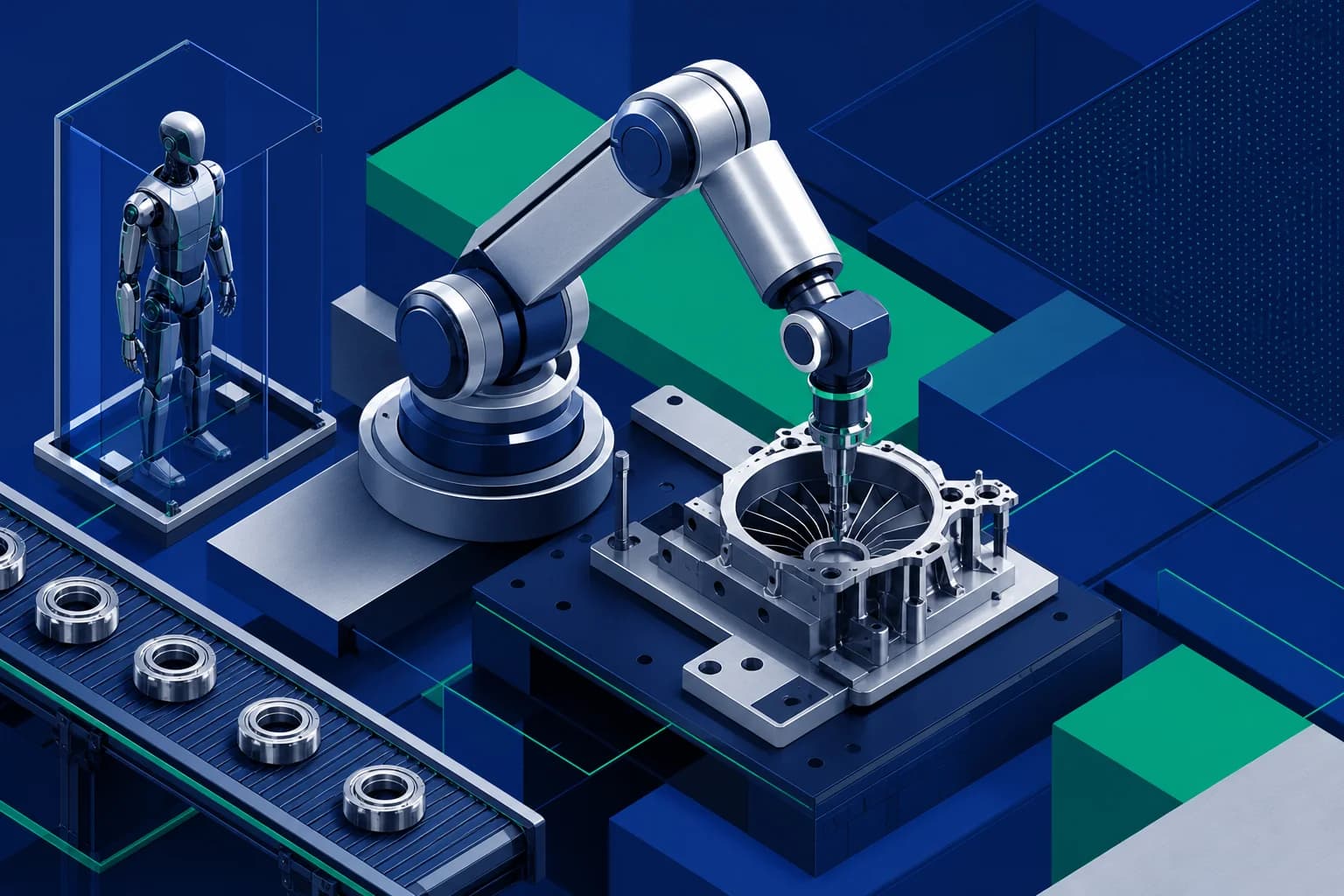
The manufacturing sector is also adapting to this technological paradigm. Predictive maintenance powered by machine learning algorithms analyzes equipment data to forecast failures before they occur. General Electric employs such systems in its aviation division, resulting in reduced downtime and significant cost savings. These capabilities demonstrate how ML can establish a proactive approach to maintenance, thereby enhancing operational efficiency.
Revolutionizing Customer Experience
Machine learning has the potential to redefine customer experience by enabling hyper-personalization. Businesses can analyze vast amounts of customer data to tailor services and products to individual preferences. Netflix, for instance, uses ML algorithms to analyze viewing patterns, helping to curate personalized content recommendations. This not only enhances user satisfaction but also increases retention rates.
The hospitality and travel industries have also been quick to adopt these technologies. Companies like Airbnb and Booking.com leverage machine learning to improve search and recommendation systems, providing users with tailored options based on past behavior and preferences. By analyzing user interactions, these platforms can enhance the overall customer experience, leading to increased loyalty and trust.
Enhancing Decision-Making
Machine learning is invaluable in transforming how businesses make decisions. Incorporating ML-driven insights can reduce the margin of error significantly. For instance, in finance, firms like Goldman Sachs utilize ML algorithms to analyze market trends, historic data, and trading patterns to optimize investment strategies. This data-driven approach allows for real-time decision-making, making it possible to capitalize on market opportunities as they arise.
Healthcare is another sector experiencing ML-driven transformation in decision-making. By employing machine learning to analyze patient data and research findings, healthcare providers can identify effective treatments faster, potentially saving lives in the process. IBM Watson Health exemplifies this by analyzing vast datasets to suggest treatment options for cancer patients, significantly expediting the decision-making process.
Challenges of Adoption
Despite the promising potential of machine learning, its adoption presents challenges. The most significant hurdles include data privacy concerns, high implementation costs, and a lack of skilled workforce. Data breaches can have catastrophic consequences, making trust in ML systems a critical factor. Furthermore, the integration of ML into existing systems often requires substantial investments in infrastructure and training, posing barriers for smaller organizations.
The Future of Machine Learning in Business
Looking forward, the future of machine learning in business appears bright. As organizations continue to overcome challenges and invest in ML capabilities, we can expect further advancements in various domains. Emerging technologies such as quantum computing could further accelerate machine learning processes, allowing for even more sophisticated applications.
Moreover, as both businesses and consumers become increasingly comfortable with AI technologies, the integration of machine learning into everyday operations will likely become the norm rather than the exception. For instance, chatbots and virtual assistants powered by machine learning are already enhancing customer service interactions by providing quick, automated responses to inquiries.
A Call for Ethical Considerations
As with any transformative technology, ethical considerations come into play. It is crucial that businesses deploy machine learning responsibly, ensuring fairness and transparency. Issues like algorithmic bias must be addressed proactively to prevent discrimination and maintain consumer trust. The establishment of regulatory frameworks will be imperative to guide the ethical utilization of machine learning technologies.
In conclusion, machine learning is not merely a trend; it is a transformative force shaping the future of business. By enhancing operational efficiency, revolutionizing customer experiences, and improving decision-making processes, ML is paving the way for innovative business models. As industries adapt to this new paradigm, those that embrace machine learning will not only survive but thrive in an ever-competitive landscape.