TeamViewer pivots to autonomous IT remediation through AI-driven telemetry
The company is shifting its remote support model toward autonomous, self-healing infrastructure by integrating diagnostic telemetry and human-in-the-loop governance.
TeamViewer is transitioning its core service model from reactive remote support to autonomous, self-healing IT infrastructure. By integrating AI-driven telemetry with the diagnostic capabilities acquired from 1E in December 2024, the firm aims to resolve endpoint malfunctions before they necessitate human intervention.
CEO Oliver Steil describes this strategic pivot as a shift-left initiative, designed to intercept technical faults at the point of origin. The mechanism relies on inspecting support sessions to generate automated scripts, which are then deployed across the enterprise to remediate recurring issues without requiring a technician to log in.
The integration of the 1E digital employee experience platform provides the necessary diagnostic client-side library to facilitate this feedback loop. This architecture allows for auto-remediation, where the system executes fixes autonomously while reserving human oversight for edge cases where automated protocols fail.
The 1E acquisition specifically provides a robust diagnostic client that resides directly on the endpoint, enabling the continuous collection of granular system telemetry. This data is then processed through an automation library that translates technician-led troubleshooting steps into repeatable, scriptable workflows that can run unattended.
TeamViewer One, the unified product resulting from this integration, represents a departure from traditional per-user licensing models. The company is transitioning toward endpoint-based contracts that utilize token-based metering for AI usage, a structure Steil claims remains economically viable due to the deterministic nature of the underlying telemetry tasks.
Token costs are kept manageable because the AI inference is focused on narrow, deterministic IT tasks rather than generative content creation. This focus on specific, measurable outcomes allows the company to scale its automation services without the prohibitive computational overhead associated with large language models.
Financial performance data released on 28 July indicates that while overall revenue saw a slight decline of 1.4% year-on-year, enterprise-level annual recurring revenue grew by 8.3%. Large account growth, specifically those exceeding €200,000 in annual value, rose by 11%, signaling a successful transition toward higher-value, long-term enterprise engagements.
The company maintains a strict human-in-the-loop governance framework to mitigate risks associated with autonomous system changes. This ensures that sensitive operations, such as credential resets, remain under technician control while routine tasks like printer configuration are permitted to run at machine speed.
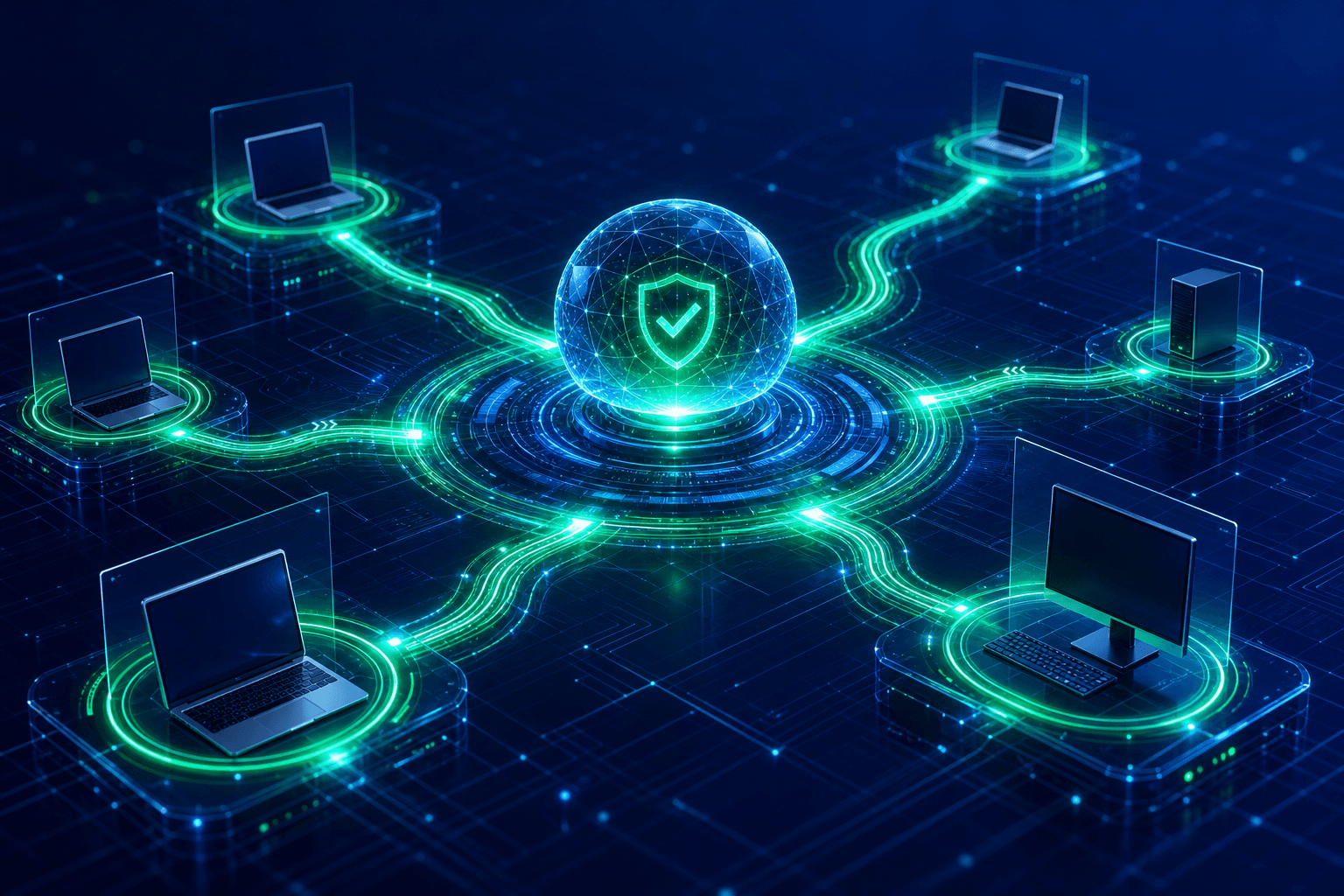
Data privacy remains a central component of this architecture, as the system is designed to anonymize and strip non-IT telemetry from the diagnostic process. Steil emphasizes that this approach, originally developed for medical equipment support, ensures that enterprise customer data remains isolated within the client environment.
By removing all non-essential context from the telemetry stream, the system ensures that only the technical parameters of a fault are analyzed. This strict data isolation protocol is designed to satisfy the rigorous compliance requirements of industries such as banking, government, and healthcare, where data sovereignty is paramount.
The shift toward automated patching is increasingly critical as the speed of vulnerability exploitation accelerates. Security researchers have observed that the window between a patch release and the emergence of a functional exploit has compressed into hours, rendering traditional long-cycle maintenance windows obsolete.
By leveraging machine-speed patching, TeamViewer intends to close the exposure gap that currently threatens organizations relying on manual update cadences. This capability is becoming a primary differentiator as the firm seeks to integrate its agentic workflows with established enterprise platforms like ServiceNow.
The company is now focusing on expanding its ecosystem by connecting its diagnostic tools to broader AI platforms. This strategy aims to solidify its position as an essential utility for large-scale IT operations, where the complexity of managing thousands of endpoints requires a shift toward autonomous, policy-driven maintenance.