RESEARCH
ESTA-Net Improves Video Super-Resolution Through Bi-Scale Spatio-Temporal Alignment
Researchers have developed a novel network architecture that enhances video clarity by optimizing inter-frame motion alignment and feature fusion.
Researchers have developed a novel network architecture that enhances video clarity by optimizing inter-frame motion alignment and feature fusion.

Researchers evaluate the predictive power of move-ten board states using machine learning models to isolate opening theory from player skill.

The development of neural networks and learning algorithms has shifted from theoretical models to high-utility systems that now underpin modern artificial intelligence.

A new computational approach reduces the resource intensity of quantum simulations, enabling researchers to model larger molecular systems with greater efficiency.

The University of Tennessee Research Foundation alleges that Anthropic’s AI systems infringe on patents related to neuroscience-inspired machine learning.
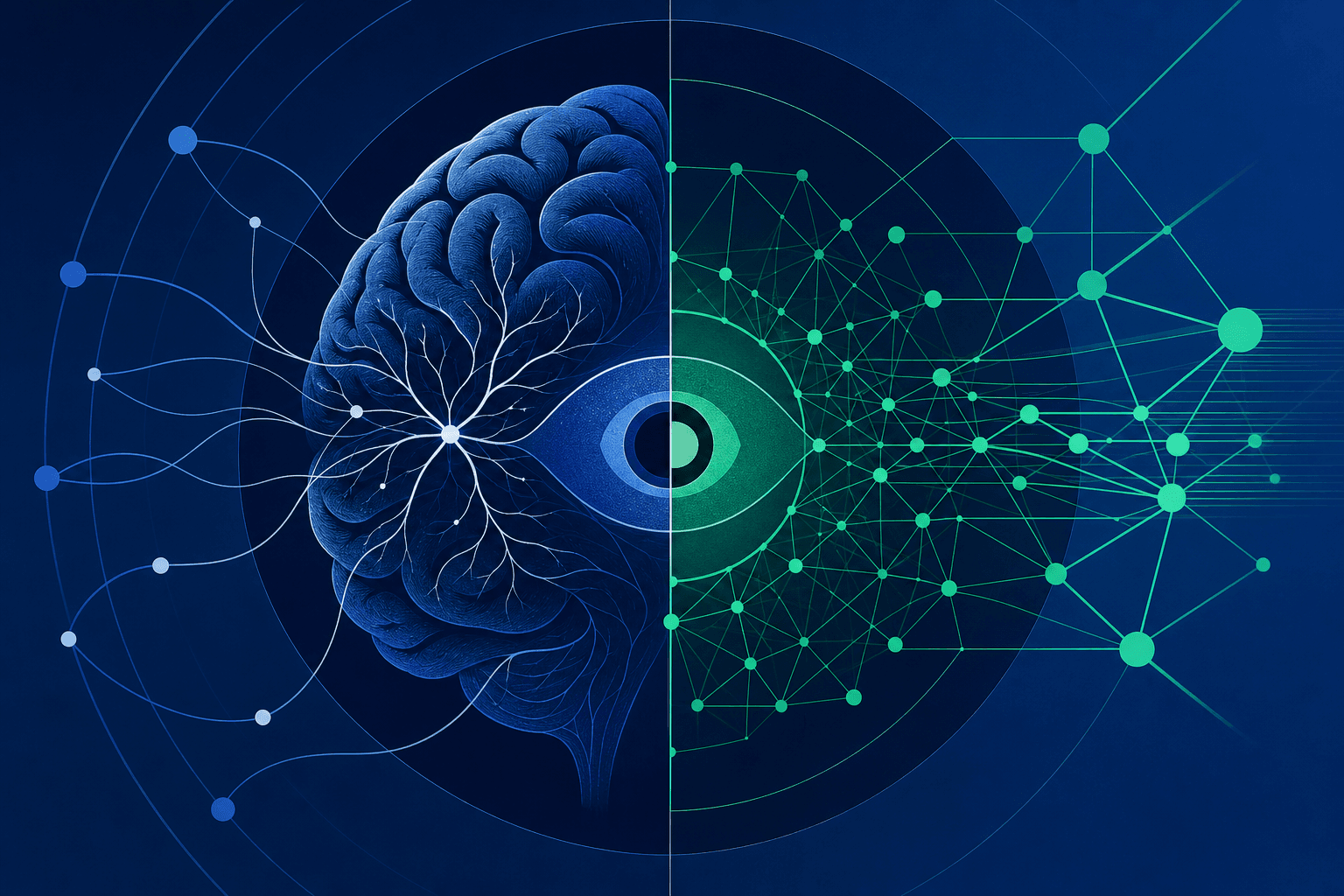
New research suggests that artificial neural networks often rely on internal strategies that differ significantly from the primate brain, challenging the assumption of biological equivalence.
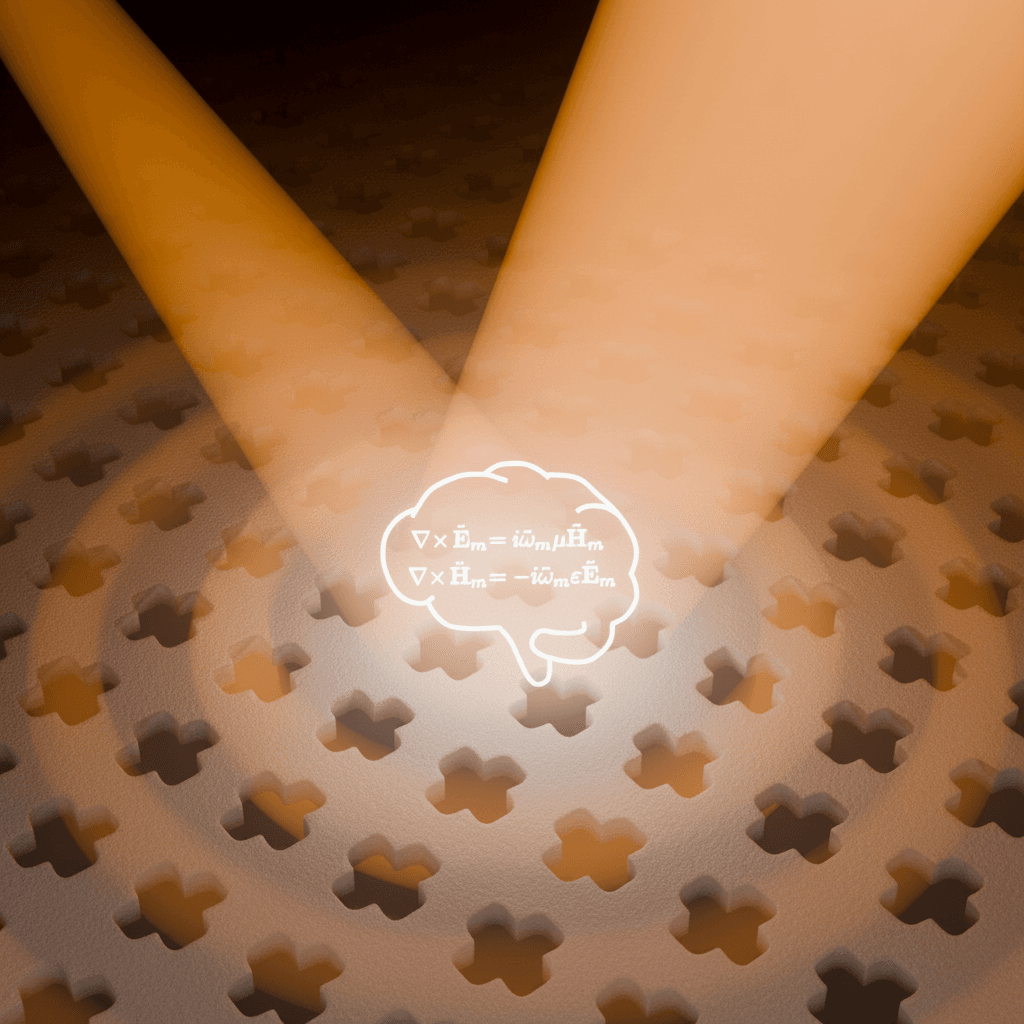
Researchers in Sweden have developed a machine-learning framework that integrates electromagnetic laws to speed up the design of optical components.

The human brain, with its intricate web of neurons and synapses, has long been a source of fascination for scientists and innovators alike. With over 86 billion neurons working in tandem, the brain’s capacity for learning, adaptation, and problem-solving has inspired the growth of artificial intelligence (AI), particularly through the development of neural networks. These
Applied machine learning, filed daily.
Model releases, silicon, clinical deployment, and the policy shaping them. No digest padding.