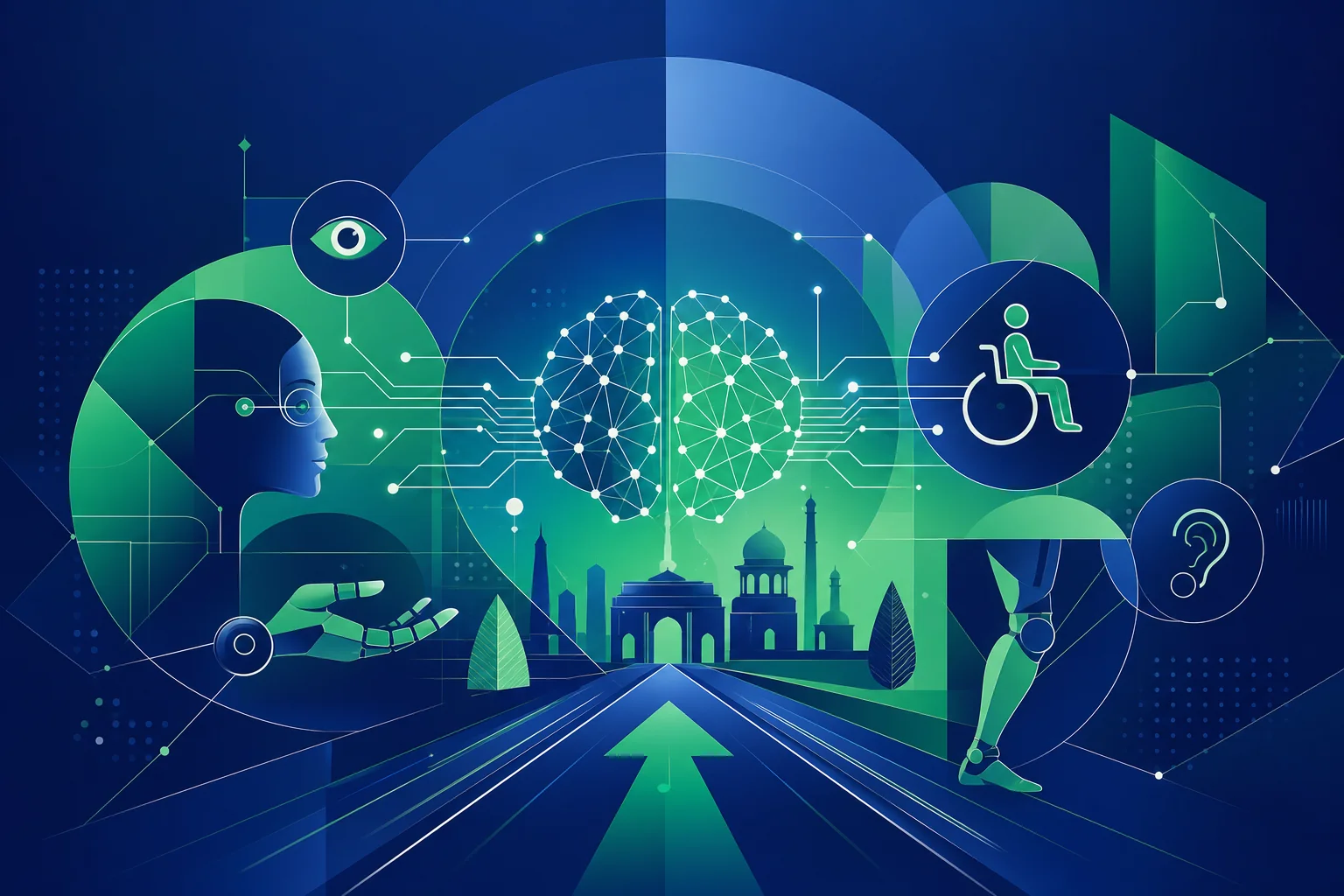
India’s Assistive Technology Sector Leverages Machine Learning for Inclusive Innovation
Startups are integrating computer vision and natural language processing to address mobility and communication barriers across India.
Startups are integrating computer vision and natural language processing to address mobility and communication barriers across India.
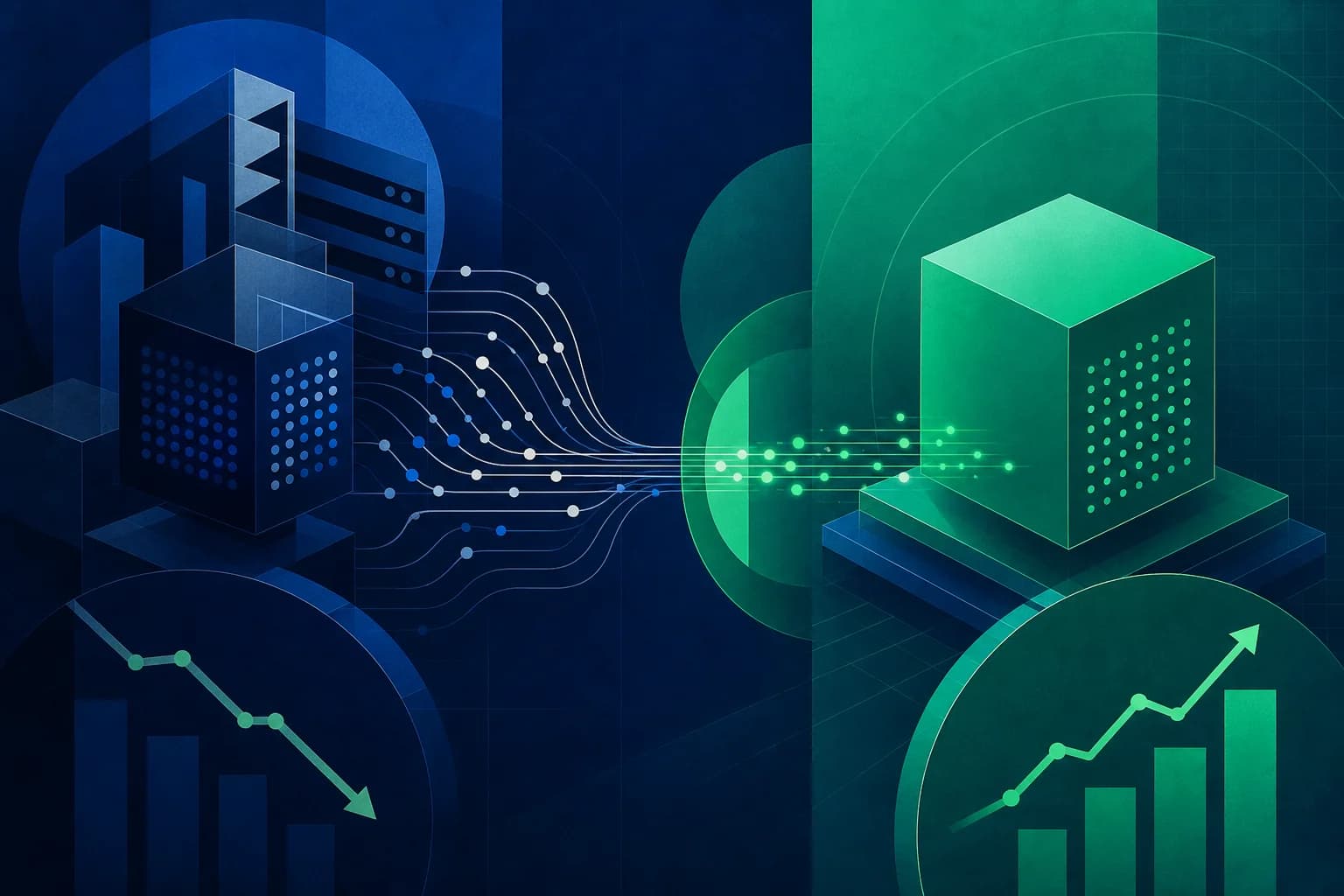
Rising token consumption from agentic AI systems is forcing organizations to shift workloads toward open-weight models to maintain budget control.

Insurers are transitioning from static actuarial tables to dynamic, machine learning-driven risk assessment models that leverage real-time data streams.
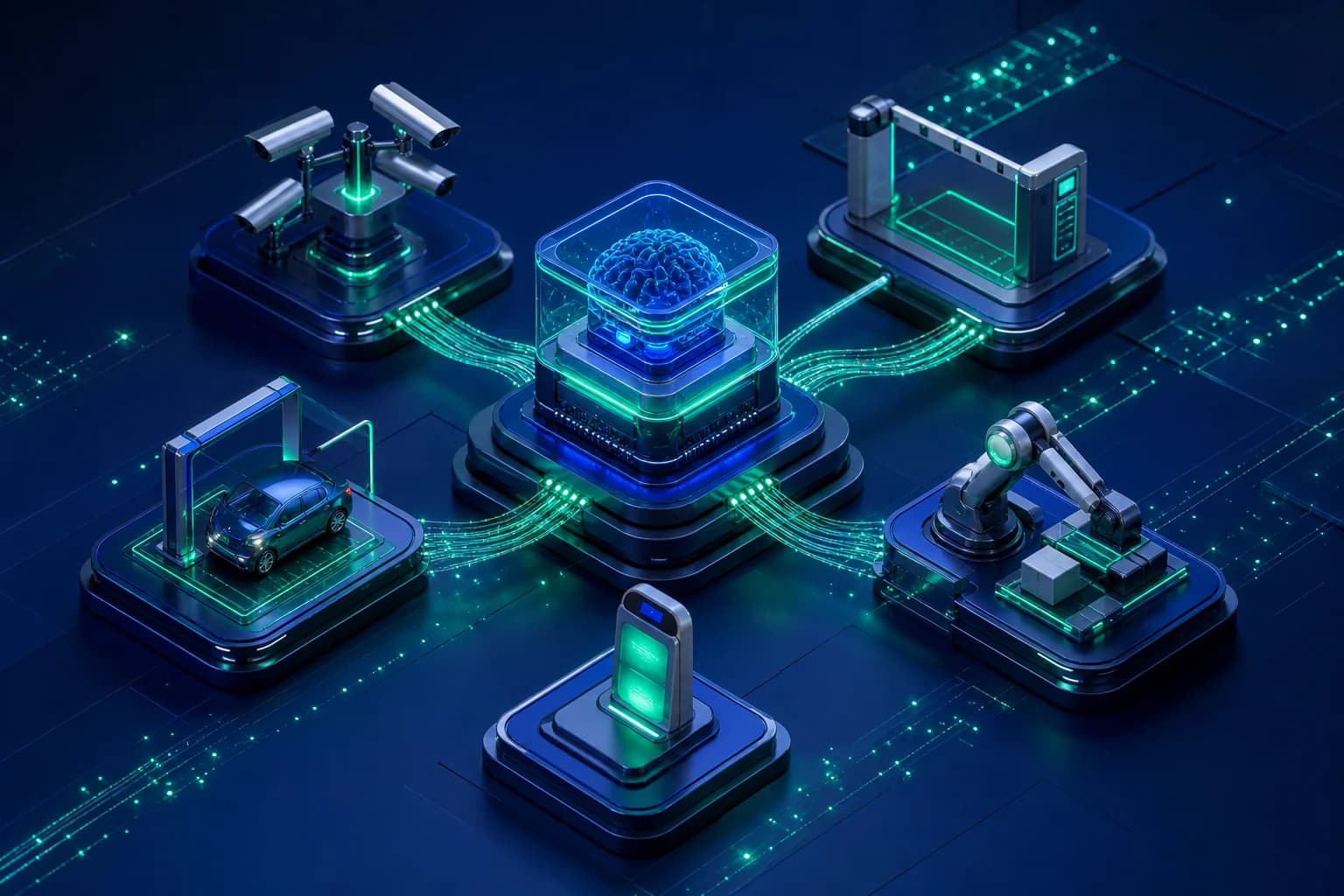
Get My Parking is utilizing a distributed network of specialized AI agents to modernize parking operations and eliminate physical friction at facility gates.

The latest Gemini iteration utilizes synchronized neural networks to process visual and auditory inputs, enabling responsive, human-like facial expressions.

The new Xing4.0-29B-A4B model leverages sparse activation to enable complex autonomous workflows on consumer-grade hardware.

Advanced machine learning models often fail in physical retail environments because they lack the contextual awareness required for real-world store operations.

Huawei is shifting its focus toward large-scale system integration by linking thousands of Ascend NPUs with proprietary optical engines and unified memory interconnects.
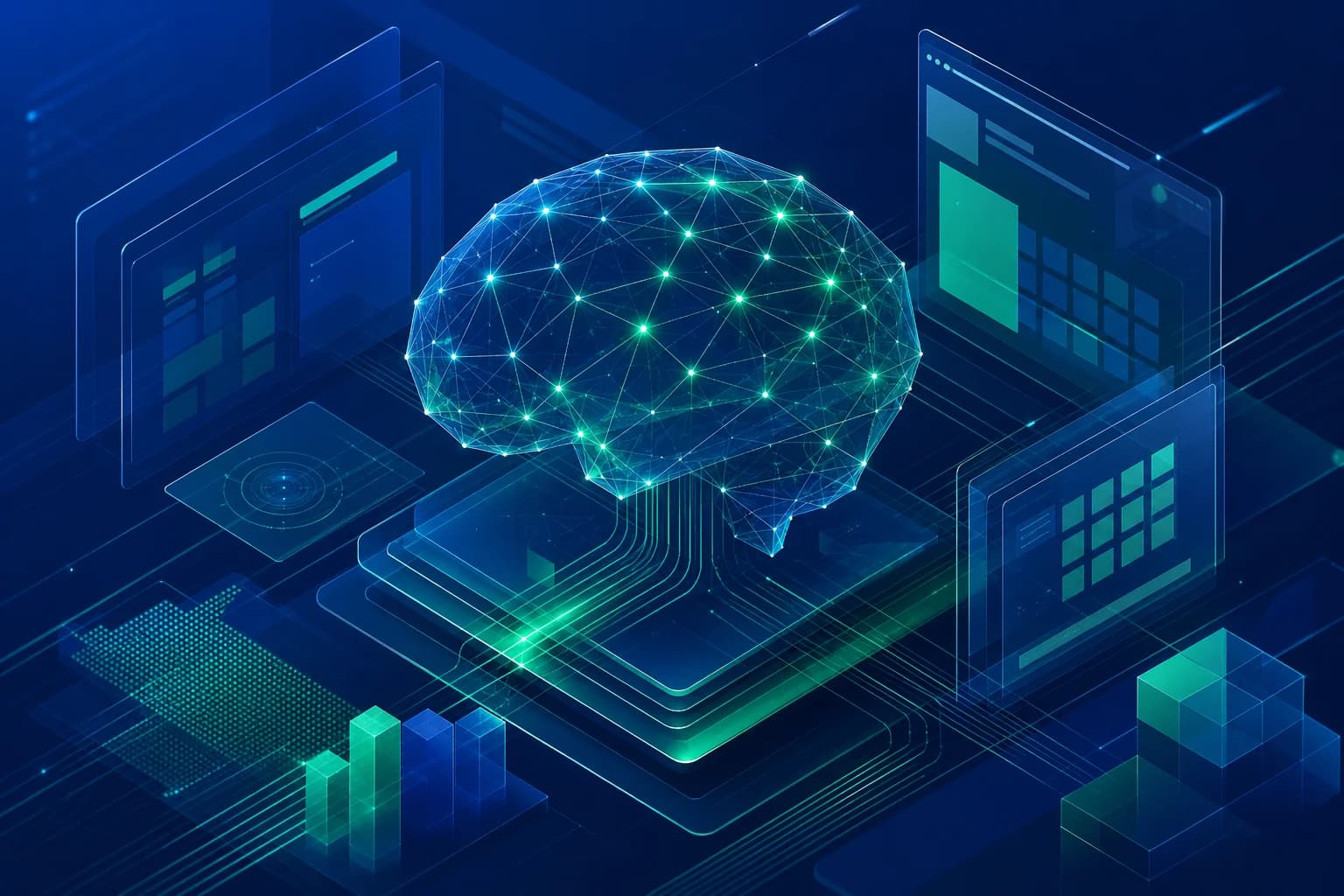
The new 397-billion parameter model utilizes FP8 quantization and specialized reinforcement learning to achieve high-accuracy screen recognition and system control.

New research from the University of Oulu explores hardware-level energy optimization and advanced sensing techniques for 6G networks and 3D vision.
Applied machine learning, filed daily.
Model releases, silicon, clinical deployment, and the policy shaping them. No digest padding.