India’s Assistive Technology Sector Leverages Machine Learning for Inclusive Innovation
Startups are integrating computer vision and natural language processing to address mobility and communication barriers across India.
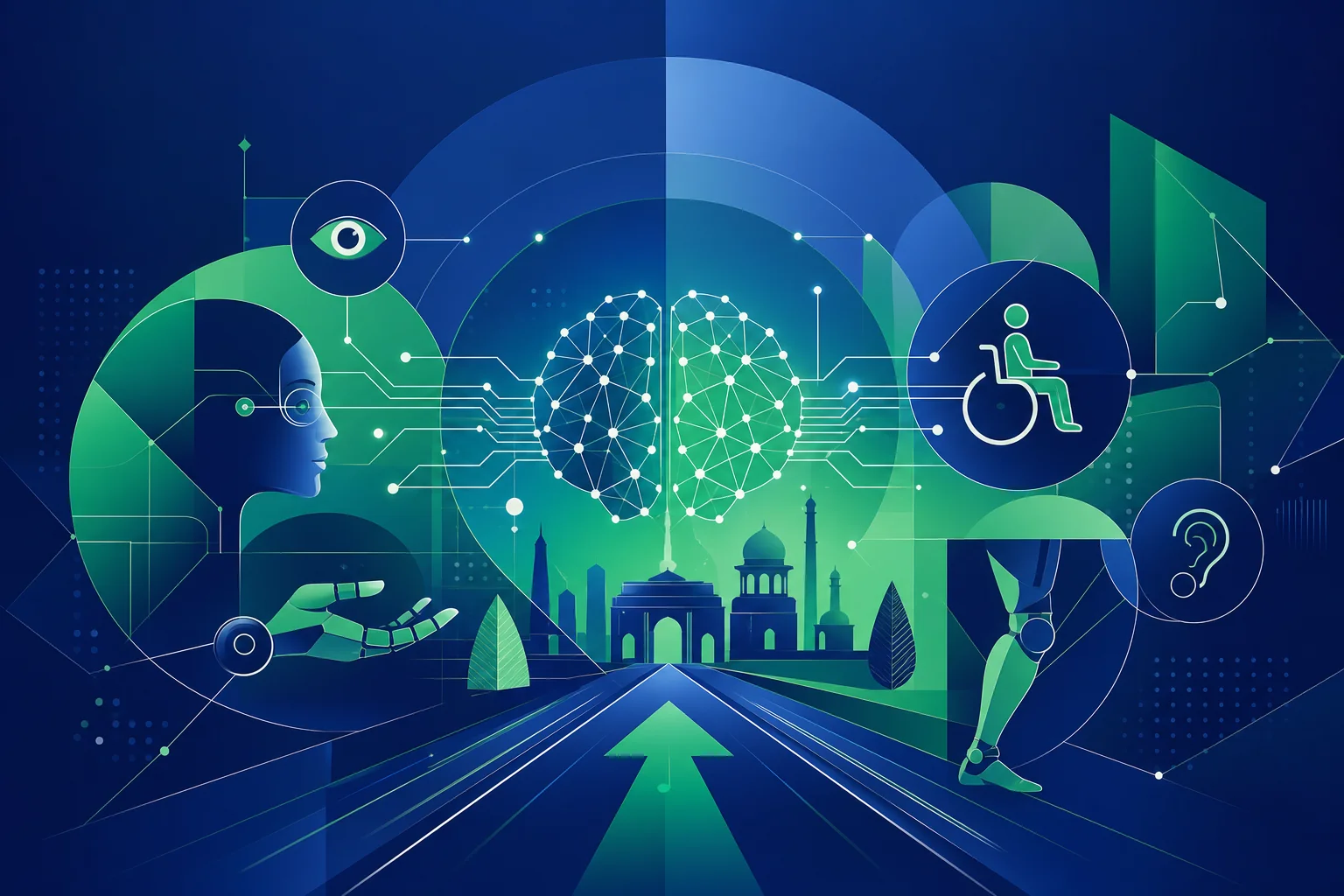
India’s assistive technology sector is undergoing a structural shift as startups move beyond traditional mechanical aids toward systems utilizing deep learning and sensor fusion. This transition marks a departure from legacy rehabilitation hardware, focusing instead on software-defined accessibility that addresses mobility, communication, and cognitive barriers through localized data processing.
Startups are increasingly deploying convolutional neural networks for computer vision and natural language processing to provide real-time environmental context for users with visual or speech impairments. According to the Department of Empowerment of Persons with Disabilities, these technical implementations are critical for developing smart canes and AI-based reading solutions that operate with high precision. Such innovations demonstrate how localized data processing can create personalized learning environments for individuals with diverse needs.
Mobility solutions are simultaneously benefiting from advanced engineering and sensor integration. NeoMotion has established a significant footprint by producing the NeoFly wheelchair and the NeoBolt electric attachment, which prioritize individual user requirements over standardized designs. This emphasis on user-centered engineering ensures that hardware can adapt to the physical environments and daily routines of the end-user.
The integration of machine learning into these products introduces new technical requirements regarding accuracy, latency, and data privacy. Developers must ensure that models remain reliable when deployed in real-world scenarios where users depend on these systems for navigation or critical communication. These challenges necessitate rigorous testing protocols and the incorporation of edge computing to maintain performance without constant cloud connectivity.
Thinkerbell Labs exemplifies this trend with the development of Annie, a self-learning Braille device that utilizes adaptive algorithms to facilitate literacy. The device processes tactile input and translates it into auditory or digital outputs, effectively bridging the gap between traditional Braille instruction and modern digital literacy tools. This approach highlights the potential for hardware-software co-design to solve complex accessibility challenges.
Support for this sector is expanding through collaborative initiatives involving government bodies and private entities. Organizations such as BIRAC and Social Alpha have partnered with Mphasis to provide seed funding, mentorship, and user-testing access for emerging ventures. The NCPEDP-Mphasis Assistive Technology Hub continues to act as a primary catalyst for scaling these technical solutions into the broader market.
Government programs are actively influencing the development and adoption of these technologies. The Assistance to Disabled Persons for Purchase/Fitting of Aids and Appliances, or ADIP Scheme, provides a mechanism for distributing modern aids, while the proposed Divyang Sahara Yojana aims to bolster the Artificial Limbs Manufacturing Corporation of India with increased funding for research and development. These policies signal a shift toward integrating advanced technological standards into public health infrastructure.
Digital accessibility remains a critical frontier as the Department of Empowerment of Persons with Disabilities enforces stricter standards for both built and digital environments. The move toward standardized accessibility audits suggests that the industry is maturing, with a greater focus on interoperability and long-term sustainability. This regulatory push forces startups to prioritize compliance alongside technical performance.
The effectiveness of these assistive technologies hinges on the ability to solve the dual problem of technical reliability and economic accessibility. While machine learning offers the potential to lower costs through scalable software, the hardware components still require efficient manufacturing processes to reach a wider demographic. The success of these ventures will likely depend on their capacity to balance high-end technical innovation with the practical constraints of the Indian market.
Future growth in this sector will be defined by the ability of startups to integrate multimodal AI systems that can handle complex sensory inputs. As these companies refine their models, the focus will shift toward improving the robustness of speech recognition and object detection in noisy, real-world environments. Continued investment in R&D will be essential for maintaining the momentum of the expanding market for assistive hardware.