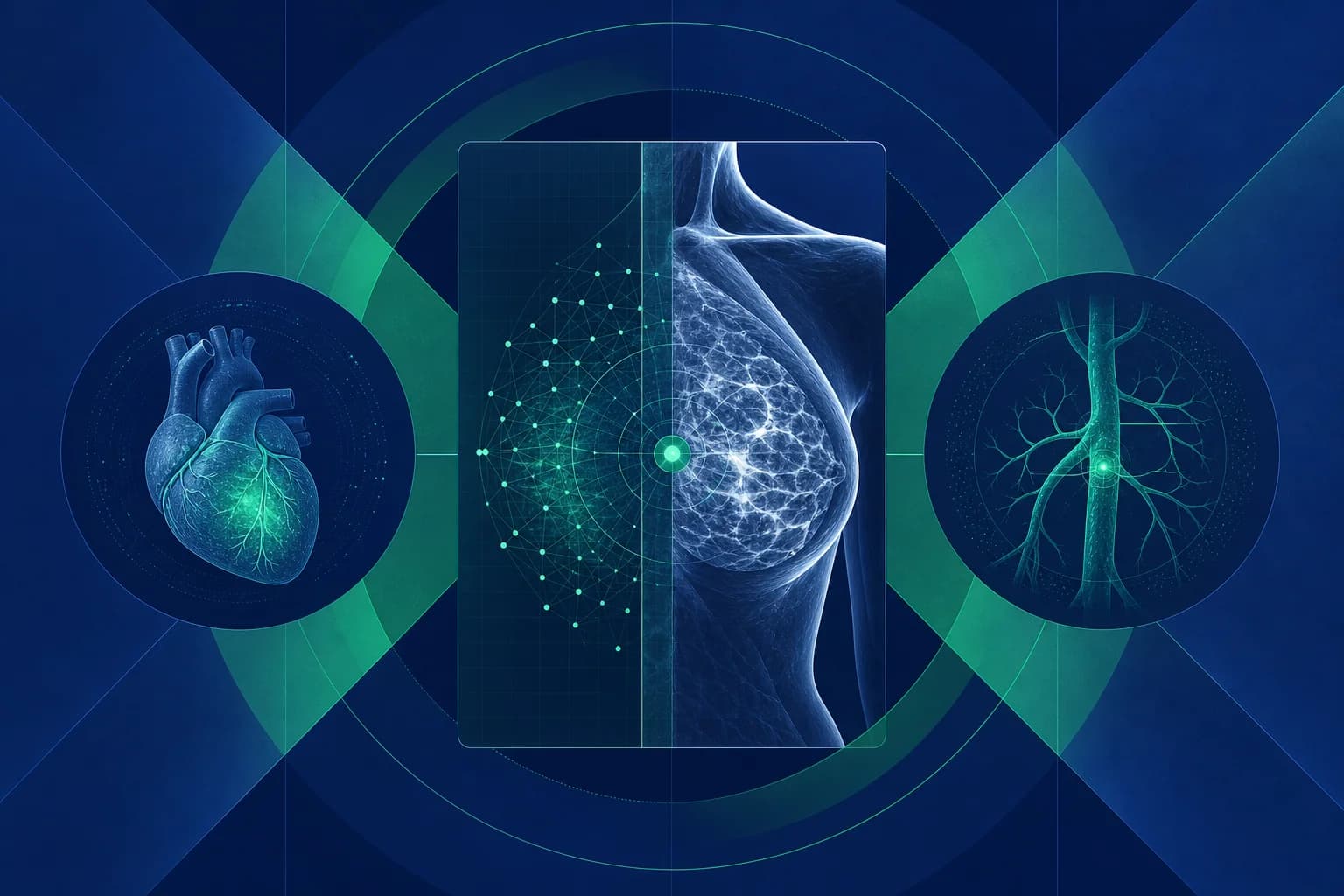
Microsoft unveils Copilot Health AI to unify fragmented patient data
The new platform leverages generative AI to translate scattered medical records and wearable metrics into a comprehensive health narrative. Backed by strict privacy controls and clinical guardrails, the tool aims to ease physician burnout while giving individuals deeper insight into their biology.
For decades, the modern medical patient has functioned as a reluctant courier of their own biology. We walk into fluorescent-lit clinics clutching fragmented pieces of a deeply personal puzzle: a screenshot of an erratic heart rate from an Apple Watch, an incomprehensible lab report from a third-party clinic, and subjective memories of last month’s sleep patterns.
The attending physician, bound by the unforgiving constraints of a fifteen-minute appointment window, is expected to synthesize this digital exhaust into a coherent diagnosis. It is a fundamentally broken system, defined by data silos that refuse to communicate.
Now, Microsoft is attempting a sophisticated dismantling of this inefficiency. With the quiet opening of a waitlist for Copilot Health, the technology behemoth is not merely introducing another application; it is laying the groundwork for an intelligence layer designed to sit atop the entire fractured landscape of American healthcare.
The strategy represents a profound pivot in how Silicon Valley approaches medicine. Historically, technology companies have attempted to disrupt healthcare by building proprietary hardware or attempting to replace legacy electronic health record systems entirely.
Many of these efforts failed precisely because they attempted to force an incredibly complex, fragmented industry into a single walled garden. Copilot Health abandons the hardware war entirely.
Instead, Microsoft aims to be the universal translator. By leveraging application programming interfaces and strategic partnerships, the platform aggressively aggregates data from three notoriously stubborn silos.
It pulls continuous biometric telemetry from over fifty consumer wearables, including market leaders like Oura, Fitbit, and Apple Health. It pairs this ambient data with hard clinical facts, utilizing a network called HealthEx to extract medication histories and visit summaries from over fifty thousand hospitals across the United States.
Finally, it integrates comprehensive diagnostic testing through platforms like Function, capturing the granular chemical reality of the patient.
The brilliance of this aggregation strategy lies not in the sheer volume of data collected, but in its synthesis. The average electronic health record is a sprawling graveyard of unstructured text, isolated metrics, and redundant forms.
Copilot Health deploys generative artificial intelligence to mine these vast, disparate datasets for hidden correlations that would otherwise go unnoticed by human clinicians working under severe time constraints. The objective is to transform a static spreadsheet of disparate symptoms into a dynamic, coherent narrative.
A patient will no longer have to guess why their sleep architecture degrades on Thursdays; the artificial intelligence will theoretically cross-reference their wearable data with their latest cortisol lab results and clinical history to reveal the underlying physiological mechanics. Microsoft envisions a paradigm where patients arrive at their brief medical consultations already equipped with a synthesized, medically sound history, effectively equalizing the information asymmetry that has long defined the power dynamic between doctor and patient.
However, the introduction of artificial intelligence into the deeply intimate realm of personal health is fraught with perilous trust deficits. In an era where consumers are acutely aware that their digital footprints are routinely strip-mined to train public large language models, the prospect of uploading oncology reports, genetic markers, or psychiatric notes to a tech giant is inherently terrifying.
Microsoft appears to recognize that privacy is the singular moat that will determine the survival of this ambitious initiative. Copilot Health has been deliberately architected as an isolated environment, strictly partitioned off from the general Copilot interface utilized by enterprise clients and casual internet searchers.
The company has explicitly drawn a hard line in the sand: personal health information processed within this ecosystem is completely embargoed from model training. Furthermore, by securing ISO/IEC 42001 certification, a pioneering global standard for artificial intelligence management systems, Microsoft is attempting to signal to cautious regulators and skeptical consumers alike that this is an enterprise-grade fortress, not an experimental sandbox.
To further insulate the platform from the severe reputational and legal risks of artificial intelligence hallucinations, Microsoft has wrapped Copilot Health in formidable clinical guardrails. The system is not a rogue algorithm generating medical advice in a vacuum; it was developed in rigorous consultation with a global panel of over two hundred and thirty physicians.
Its analytical outputs are grounded in the strict principles of the National Academy of Medicine and cross-referenced with proprietary Harvard Health clinical cards. This meticulous scaffolding is a necessary precursor to Microsoft’s ultimate, somewhat audacious goal: the deployment of what it terms a medical superintelligence.
Through the future integration of its AI Diagnostic Orchestrator, the company is teasing a clinical tool that possesses the sweeping, holistic knowledge base of a primary care physician combined with the hyperspecific analytical depth of a specialist.
Currently restricted to adult users in the United States, the rollout of Copilot Health marks a pivotal moment in the ongoing intersection of technology and biology. If Microsoft succeeds in this endeavor, it will have solved perhaps the most intractable problem in modern medicine, effectively curing the interoperability crisis that has cost the healthcare industry billions of dollars and compromised patient care for a generation.
It will shift the heavy burden of medical synthesis from the overworked, burned-out physician directly to the tireless algorithm. Yet, the broader philosophical implications are profound.
We are witnessing the dawn of an era where our biological narratives are increasingly written not by human observation, but by computational synthesis. The ultimate success of this technology will depend entirely on whether humanity is willing to entrust the most vulnerable details of its physical existence to the very machines it has built.