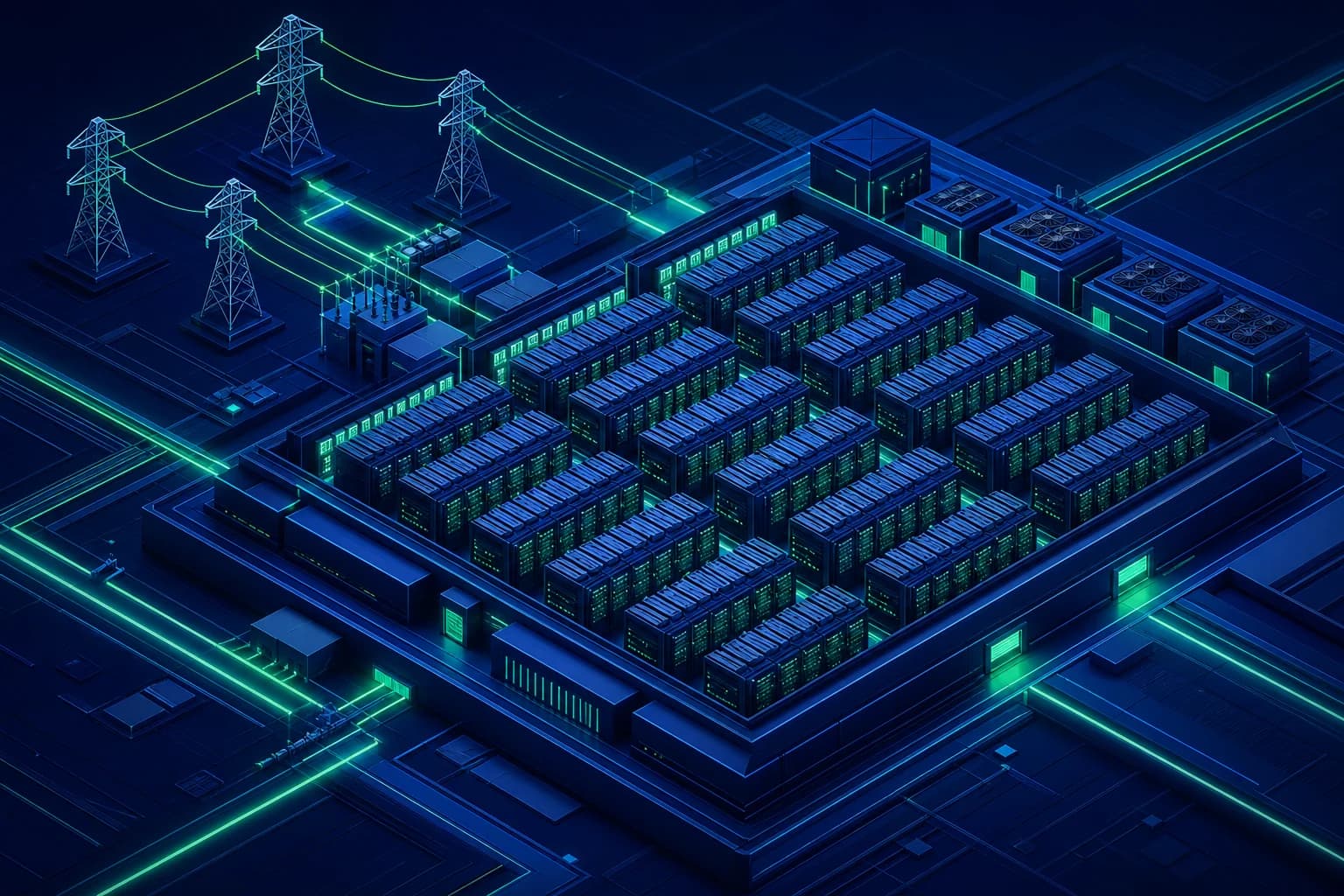
Wuzhen Data Centers Anchor China’s Distributed AI Infrastructure Strategy
Historic water towns are being transformed into vital computational hubs to support domestic artificial intelligence development through hydroelectric power and specialized hardware.
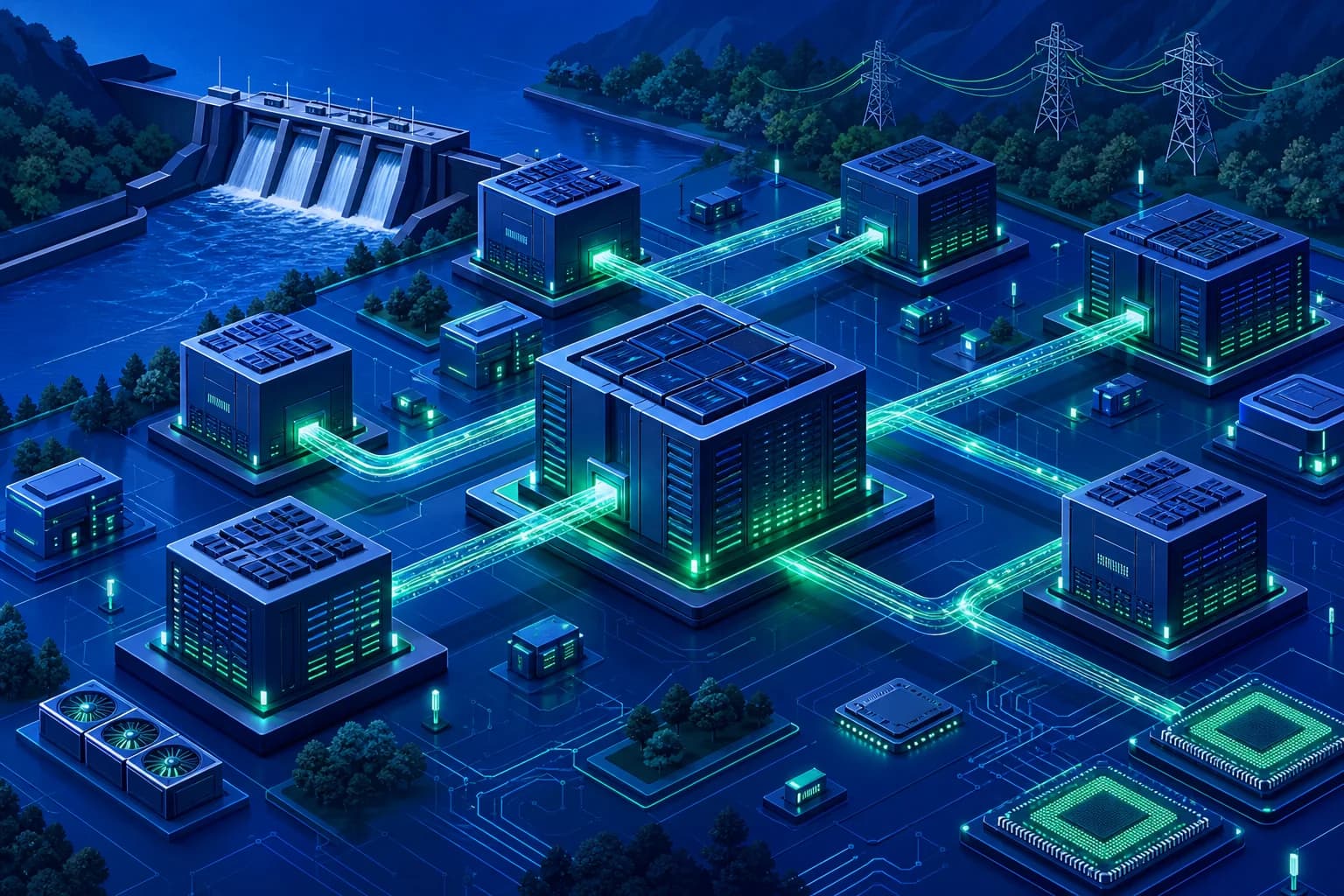
In the historic town of Wuzhen, Zhejiang province, a sophisticated network of data centers is providing the computational foundation for China’s expanding artificial intelligence sector, according to a recent report by WebProNews. These facilities leverage the region’s proximity to hydroelectric power sources and innovative cooling methods to support the intensive training requirements of large language models, with oversight from the Ministry of Industry and Information Technology.
Local officials initiated this transition to repurpose declining industrial zones into high-tech infrastructure hubs. Companies established these server farms to capitalize on lower land costs and stable energy supplies compared to the saturated markets of Beijing and Shanghai. The resulting infrastructure now hosts thousands of graphics processing units operating in parallel to handle massive datasets.
Engineers have adapted traditional water management techniques from the local canal systems to address modern thermal regulation challenges. These hybrid cooling solutions maintain optimal operating temperatures for hardware racks, a critical requirement for maintaining uptime during extended training cycles. The facilities often consume power at the scale of small cities, necessitating close coordination with regional grid authorities.
Domestic hardware manufacturers, including Huawei and Biren Technology, provide the processing power as export restrictions limit access to certain foreign chips. Technicians at these sites focus on optimizing software frameworks to maximize performance on homegrown silicon. This iterative process of code refinement allows operators to extract significant capability from available domestic hardware, often requiring custom kernel-level adjustments to bridge the performance gap and ensure compatibility with standard training libraries.
The regional power strategy relies heavily on the Three Gorges Dam and other hydroelectric assets to keep operational costs manageable. Operators frequently negotiate variable power agreements with grid managers, utilizing intelligent load balancing to throttle training intensity during peak demand. This pragmatic approach ensures that computational output remains consistent even when energy availability fluctuates across the provincial grid, allowing for continuous model iteration despite external constraints.
A specialized workforce of engineers and system administrators has emerged to support these 24/7 operations. These personnel, often recruited from provincial universities, receive intensive training in network optimization and machine learning operations. Their presence has catalyzed local economic growth, providing a steady pipeline of talent for the burgeoning digital infrastructure sector.
The broader Chinese strategy involves connecting these regional sites into a distributed supercomputer architecture. High-speed fiber connections minimize latency between Wuzhen and facilities in Guizhou or Inner Mongolia, allowing for the seamless distribution of training workloads. Sophisticated orchestration tools manage this complexity, ensuring fault tolerance across the geographically dispersed network by automating workload migration when specific nodes experience thermal or power constraints, thereby maintaining the integrity of large-scale model training runs.
National industrial policies continue to direct significant capital toward both hardware development and the expansion of these regional data hubs. This top-down coordination ensures that infrastructure growth remains aligned with long-term technological self-reliance goals. By spreading capabilities across diverse provinces, planners aim to reduce vulnerability to localized disruptions while fostering widespread technical expertise.
Environmental efficiency has become a central focus as the scale of these operations increases. Newer facilities now integrate liquid immersion cooling and heat recovery systems that repurpose thermal energy for residential or agricultural use. These technical upgrades reflect a shift toward sustainable operations, driven by both regulatory pressure and the necessity of reducing long-term energy expenditures.
The models trained within these facilities power a wide array of applications, from industrial automation and manufacturing optimization to advanced consumer-facing virtual assistants. This diverse utility creates a persistent demand for greater computational capacity, which in turn drives further investment in the underlying infrastructure. The continued evolution of these sites serves as a primary indicator of China’s commitment to building a resilient, domestic AI ecosystem.