Unlocking the Future: How Image Classification is Revolutionizing AI
Image classification is a cornerstone technology behind many innovations in artificial intelligence, driving advancements in various fields from healthcare to autonomous vehicles. The Evolution of Image Classification For decades, image classification has been a challenging problem for computer scientists and engineers. Early attempts to teach machines to interpret images were rudimentary, primarily based on predefined

Image classification is a cornerstone technology behind many innovations in artificial intelligence, driving advancements in various fields from healthcare to autonomous vehicles.
The Evolution of Image Classification
For decades, image classification has been a challenging problem for computer scientists and engineers. Early attempts to teach machines to interpret images were rudimentary, primarily based on predefined rules and pattern recognition. The breakthrough came with the advent of deep learning in the 2010s, specifically Convolutional Neural Networks (CNNs). These models mimic the way human vision processes images, enabling computers to recognize complex patterns and features.
The Technical Backbone
At the heart of image classification lies a complex architecture that includes layers of convolution and pooling operations. Each layer extracts different features from images, starting from simple edges and shapes to more complex textures and patterns. This hierarchical feature learning allows models to achieve astonishing accuracy.
Prominent CNN architectures such as AlexNet, VGGNet, and ResNet have pushed the boundaries further, winning numerous competitions like the ImageNet challenge. These architectures have redefined how machines understand visual data, setting new benchmarks for accuracy and speed.
Transforming Industries
The impact of image classification technology is far-reaching. In healthcare, for instance, image classification is revolutionizing diagnostics. Deep learning algorithms can analyze medical images—such as X-rays, MRIs, and CT scans—identifying anomalies with precision that rivals human experts. Studies have shown that AI can detect early signs of diseases like cancer more accurately than many radiologists.
In agriculture, image classification aids in precision farming. Drones equipped with cameras capture images of crops, allowing AI to classify and assess plant health, detect pests, and monitor growth stages. This helps farmers make data-driven decisions, enhancing yield and sustainability.
Autonomous Vehicles and Robotics
The automotive industry is harnessing image classification for the development of autonomous vehicles. These vehicles rely on cameras and sensors to classify objects in real-time—be it pedestrians, bicycles, or road signs—enabling safe navigation in complex environments. Tesla, Waymo, and other industry leaders are utilizing deep learning algorithms to achieve higher levels of automation.
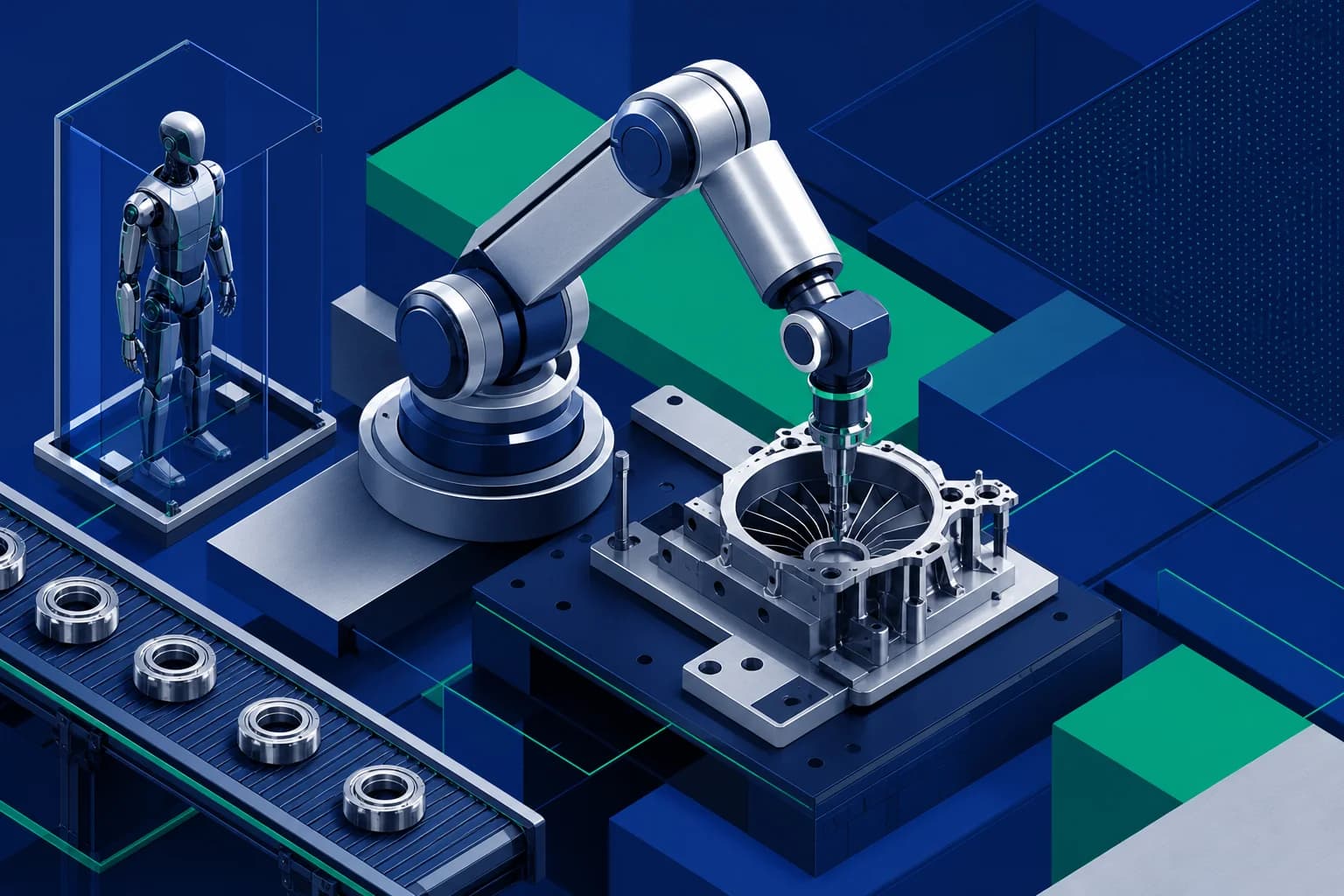
Robotics, too, benefits from image classification. Whether it’s identifying objects on a factory line or navigating through cluttered spaces, robots equipped with advanced image classification capabilities can perform tasks previously deemed impossible, enhancing efficiency and productivity.
Challenges and Ethics
Despite its immense potential, image classification technology is not without challenges. Issues such as bias in training datasets can lead to inaccurate models that reinforce stereotypes or discriminate against certain groups. For example, facial recognition technologies have faced significant scrutiny for racial bias, leading to calls for more ethical guidelines and transparent practices.
Moreover, the reliance on vast datasets raises questions about privacy and data security. As AI continues to permeate our lives, it becomes crucial to establish frameworks that balance innovation with ethical considerations.
The Future of Image Classification
The future looks promising as researchers continue to refine image classification algorithms. Techniques such as transfer learning allow models trained on large datasets to be fine-tuned for specific tasks, thereby reducing the need for extensive labeled data.
Furthermore, developments in unsupervised and semi-supervised learning are paving the way for models that require little to no labeled data, expanding the accessibility of image classification technologies to various fields. Coupled with advancements in quantum computing, the potential for rapid processing of image data could lead to revolutionary applications in real-time analytics.
Conclusion
Image classification has unlocked the door to countless possibilities in artificial intelligence. As this technology continues to evolve, its applications will expand, making our world increasingly interconnected and efficient. Embracing both the opportunities and challenges will be vital in ensuring that image classification serves as a tool for progress, equity, and innovation.