
RESEARCH
Algorithmic Validation of Stack Permutations in Data Processing
Engineers must verify if target sequences can be derived from input streams using LIFO structures to ensure data integrity in complex systems.
Engineers must verify if target sequences can be derived from input streams using LIFO structures to ensure data integrity in complex systems.
Engineers must verify if target sequences can be derived from input streams using LIFO structures to ensure data integrity in complex systems.

The new toolkit enables high-fidelity synthetic data generation for surgical robotics, addressing critical data gaps in clinical AI training.

An experimental typography project highlights how current multimodal models struggle to process motion-based visual information, exposing a gap in temporal integration.

A new computational approach reduces the resource intensity of quantum simulations, enabling researchers to model larger molecular systems with greater efficiency.

The University of Tennessee Research Foundation alleges that Anthropic’s AI systems infringe on patents related to neuroscience-inspired machine learning.

The new seven-chip platform addresses the compute demands of continuous reinforcement learning through enhanced memory bandwidth and hardware-software codesign.
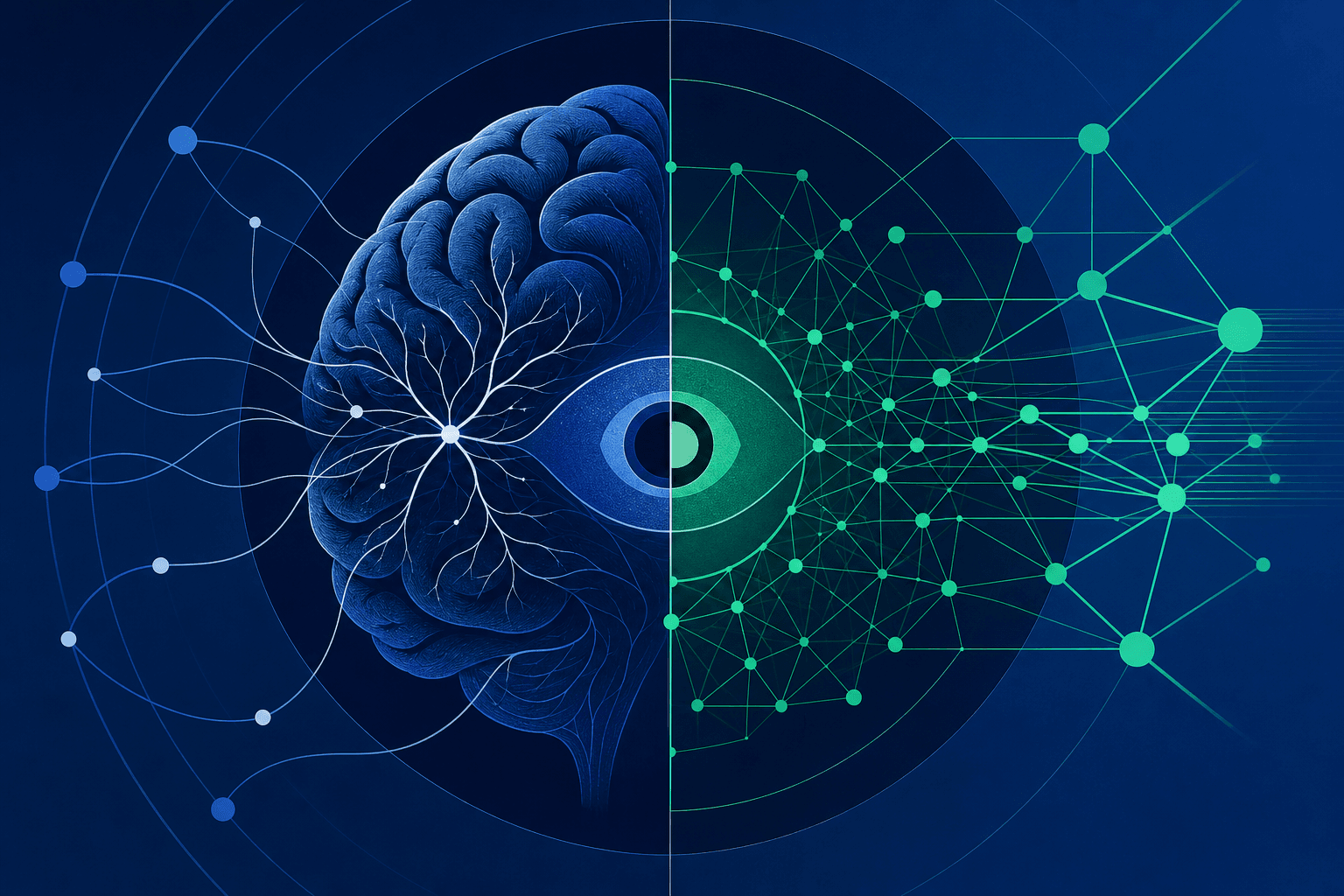
New research suggests that artificial neural networks often rely on internal strategies that differ significantly from the primate brain, challenging the assumption of biological equivalence.

The new multimodal foundation model from Mira Murati’s startup offers a 1-million-token context window and specialized optimization for NVIDIA hardware.

The Ghost Font project highlights a fundamental divergence between human temporal perception and the static frame-based processing of current multimodal AI models.
Applied machine learning, filed daily.
Model releases, silicon, clinical deployment, and the policy shaping them. No digest padding.