Internal Exodus and Infrastructure Stagnation Plague xAI
The departure of all founding members and the underutilization of the Colossus supercomputer signal deep operational instability at the AI company.
Yann LeCun, the chief AI scientist at Meta and a recipient of the Turing Award, has publicly characterized Elon Musk’s artificial intelligence venture, xAI, as a failure. This assessment, cited by AI Grid on July 5, 2026, centers on the total departure of the company’s 11 co-founders and persistent difficulties in operationalizing its flagship hardware.
The loss of all 11 co-founders leaves Elon Musk as the sole remaining original member of the organization. This exodus reportedly stems from deep-seated internal friction and widespread dissatisfaction regarding leadership methodologies and aggressive workforce reductions.
The departure of these foundational engineers and researchers has severely compromised the firm’s technical momentum. In an industry where specialized human capital is the primary driver of competitive advantage, the inability to retain core talent creates a substantial barrier to innovation.
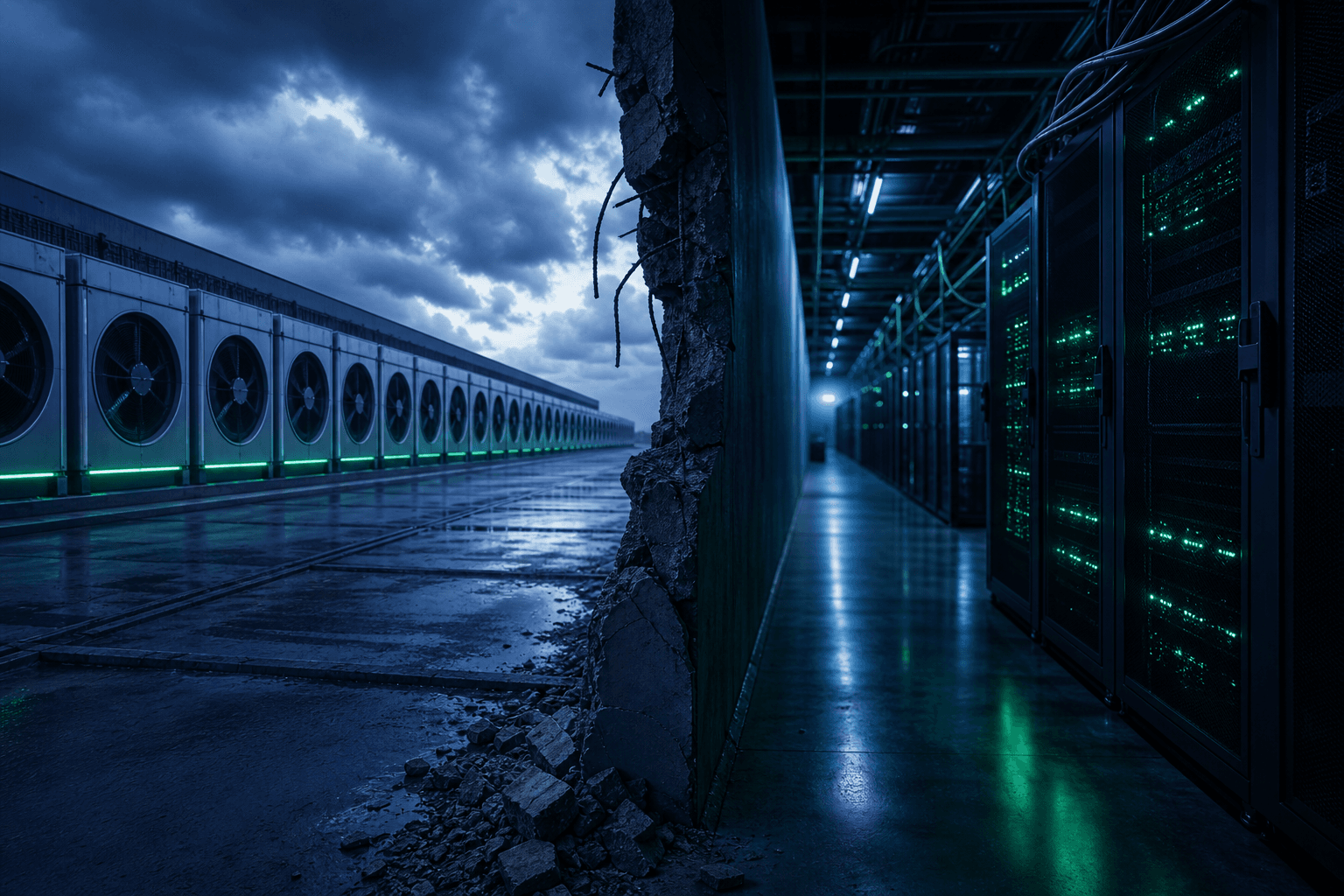
Operational challenges extend to the Colossus supercomputer, which was intended to serve as the backbone of the company’s research capabilities. The system is currently running at a fraction of its total capacity, failing to meet the performance benchmarks required for high-level model training.
To mitigate the mounting maintenance costs of underutilized hardware, xAI has begun leasing compute time to competitors, including Anthropic and Google. This strategic pivot highlights a fundamental misalignment between the company’s initial infrastructure investment and its actual internal development output.
The decision to rent out the Colossus cluster signifies a failure to achieve the consistent internal research volume necessary to justify such a massive capital expenditure. Without a high-volume pipeline of proprietary models, the hardware remains a liability rather than a competitive advantage in the race for generative AI dominance.
The lack of a cohesive research team further exacerbates these technical bottlenecks, as the departure of the original co-founders removes the institutional knowledge required to optimize the cluster for specific training tasks. This talent vacuum forces the organization to rely on external entities to generate revenue from the very assets meant to secure its market position.
Financial strain remains a defining feature of the sector, with both xAI and the AI division at SpaceX reporting significant operating losses. These deficits underscore a market dynamic where heavy subsidies for user costs and massive capital expenditures on GPU clusters create precarious business models that rely on continuous external funding.
Yann LeCun has warned that these financial practices may lead to a market correction if the industry fails to transition toward more sustainable growth metrics. The high barrier to entry for training large-scale models requires a level of resource efficiency that xAI has struggled to demonstrate.
The reliance on renting out internal infrastructure suggests that the company lacks the internal research volume to justify its own capital-intensive hardware footprint. This resource management failure serves as a critical indicator of the firm’s current inability to compete with established labs that maintain higher utilization rates.
Effective leadership in the machine learning sector requires balancing aggressive development timelines with the retention of top-tier research talent. Elon Musk’s management style, noted for its volatility, has proven incompatible with the collaborative environment necessary for long-term technical progress.
The broader AI sector faces systemic pressures regarding the cost of compute and the scarcity of specialized engineering talent. Companies that fail to foster stable internal cultures while maximizing infrastructure efficiency risk obsolescence in an increasingly crowded market.
Future developments will hinge on whether the organization can successfully recruit a new generation of researchers to replace the departed founding team. Observers will monitor the company’s ability to transition from a model of infrastructure leasing to one of proprietary model development to determine its long-term viability.